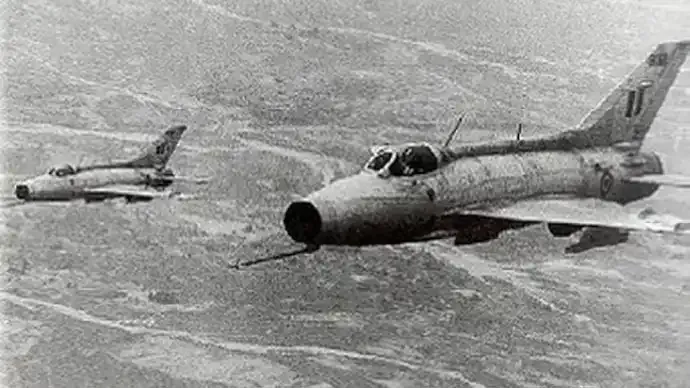

Indian Air Force’s MiG-21 Set for Final Flight: End of a Supersonic Era

Indian Air Force’s MiG-21 Set for Final Flight: End of a Supersonic Era

The legendary MiG-21 fighter jet, which has served as the backbone of the Indian Air Force (IAF) for more than six decades, is preparing for its final flight. Known for its decisive role in the 1965 and 1971 wars and its enduring presence in Indian skies, the MiG-21 is set to be retired on September 26, 2025, marking the end of an era.


From Induction to Supremacy

India inducted the MiG-21 in 1963, becoming the first country outside the Soviet Union to operate this supersonic fighter. The aircraft quickly became the IAF’s most reliable interceptor during the Cold War, offering speed, affordability, and operational flexibility.

Hindustan Aeronautics Limited (HAL) later began producing the aircraft under license, making the MiG-21 one of the most widely built and operated fighter jets in India. For generations of pilots, flying the MiG-21 was considered a rite of passage into the supersonic era.


Role in Wars and Historic Missions

1965 War

The MiG-21 first saw action in the 1965 Indo-Pak War, though in limited numbers. Its performance hinted at the potential it would later unleash.

1971 Indo-Pak War

The jet’s defining moment came in the 1971 war, where it played a central role. MiG-21s executed successful air-to-air combat missions, scoring several kills, including the downing of the advanced US-built F-104 Starfighter. This victory cemented its reputation as a formidable fighter in South Asia.

Kargil War (1999)

Even decades later, the MiG-21 proved its worth during the Kargil conflict, striking enemy positions in the treacherous heights of the Himalayas.

Balakot Aftermath (2019)

In 2019, Wing Commander Abhinandan Varthaman, flying a MiG-21 Bison, shot down a Pakistani F-16 during a rare dogfight. This extraordinary feat highlighted the aircraft’s enduring capabilities even against newer-generation jets.


Pride and Pain

While the MiG-21 built a legendary reputation, its prolonged service brought challenges. As newer fighters entered service worldwide, the MiG-21 was increasingly seen as outdated.

A series of accidents earned it the grim nickname “flying coffin”, raising concerns about pilot safety. However, many IAF veterans defend the aircraft, noting that it safeguarded India’s skies during crucial decades when better alternatives were scarce.


Replacement and the Future

The IAF is now transitioning to modern fighter jets such as the indigenously developed Tejas Mark 2 and the French Rafale. These advanced aircraft promise superior technology, greater safety, and enhanced combat capabilities to meet modern warfare requirements.

The MiG-21’s retirement represents more than just the phasing out of an old aircraft — it symbolizes the evolution of India’s air power.


A Legacy Etched in the Skies

For India, the MiG-21 was more than a fighter jet. It was a symbol of strength, resilience, and determination. From shaping generations of pilots to achieving unforgettable victories, its journey is woven into the fabric of India’s military history.

As the MiG-21 takes its final bow, it leaves behind a legacy of both pride and sacrifice — a story that will continue to inspire future aviators and remind the nation of its remarkable journey into the supersonic age.

Prev Article
Income Tax Department Opposes Actor Vijay’s Plea Against Rs 1.5 Crore Penalty
Next Article
Rephrased Title: Leh-Ladakh Protests Turn Violent: 50 Arrested as Police Clash With Demonstrators Over Statehood Demands

Related to this topic: