

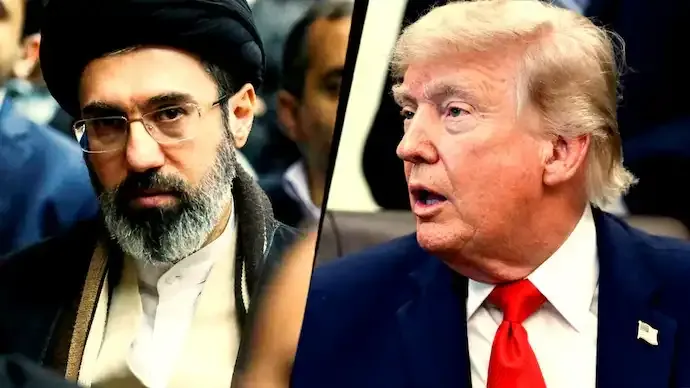

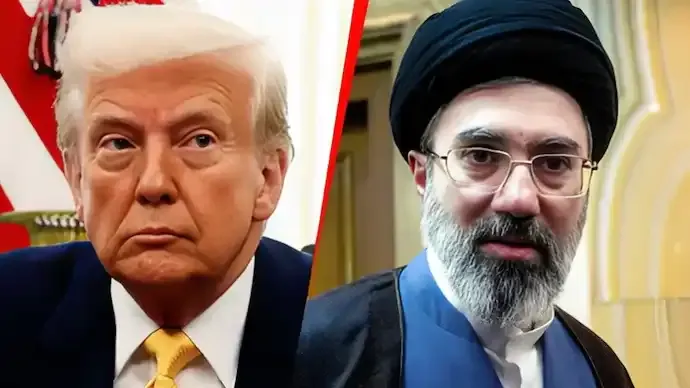
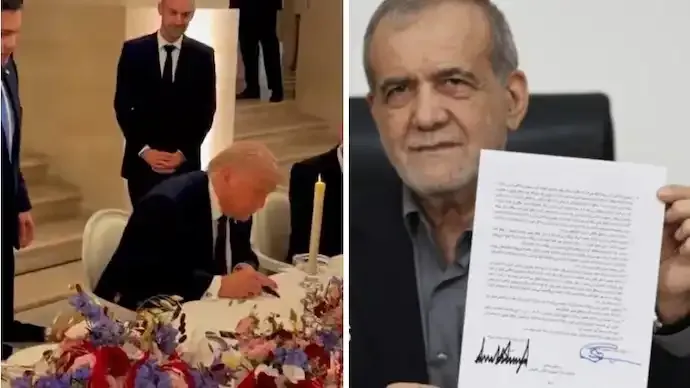
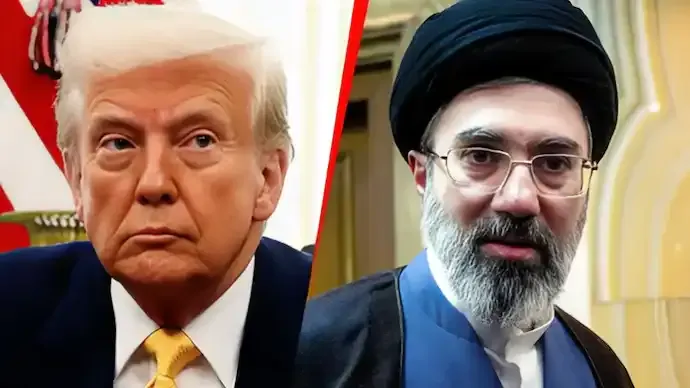
Iran has dismissed US President Donald Trump's claim that Washington and Tehran are on the verge of signing a major settlement agreement, stating that no final deal has been approved and several important issues remain unresolved.
The response from Tehran highlights the continuing uncertainty surrounding ongoing negotiations between the two countries, despite recent indications from Washington that a breakthrough may be close.
While Trump described the talks as nearing completion and suggested that only final documentation remained, Iranian officials have made it clear that the proposed arrangement is still under review and cannot yet be considered a finalized agreement.

What Trump Claimed
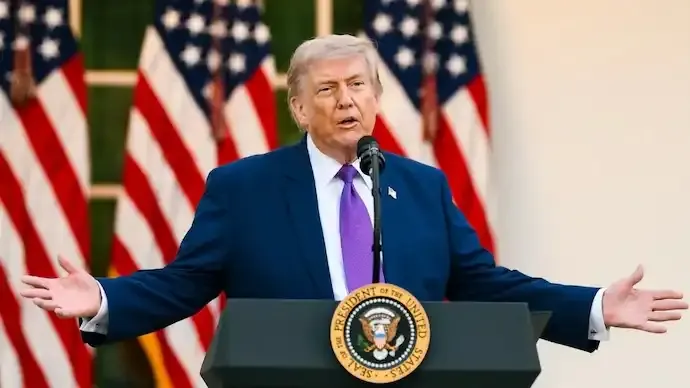
Speaking earlier, Donald Trump expressed confidence that the United States and Iran were close to reaching what he described as a "great settlement" after months of heightened tensions and military confrontations.
According to the US President, the proposed agreement could help:
- Extend the current ceasefire
- Reduce regional tensions
- Reopen critical shipping routes
- Advance diplomatic engagement
- Begin discussions on Iran's nuclear programme
Trump also suggested that the progress made during negotiations had convinced him to hold off on additional military action against Iran.
His remarks generated optimism in some international circles and briefly raised hopes of a diplomatic breakthrough.
Iran Says No Agreement Has Been Finalised
Iranian officials quickly responded by rejecting suggestions that a final agreement had already been reached.
According to Tehran, discussions are still ongoing and the proposed framework remains under examination by relevant decision-making bodies.
Iranian authorities emphasized that reports describing a completed agreement are premature and do not accurately reflect the current status of negotiations.
The response underlined significant differences between Washington's public messaging and Tehran's official position.
Iran Stresses Its "Red Lines"
Iran also reiterated that certain national interests and policy positions remain non-negotiable.
Officials stated that Tehran's "red lines" continue to guide its approach to negotiations and that any final agreement must respect those principles.
Although specific details were not disclosed publicly, analysts believe the issues may include:
- Sanctions relief
- Security guarantees
- Nuclear programme oversight
- Regional military activities
- Sovereignty concerns
These topics have historically been among the most difficult issues in US-Iran diplomacy.
Foreign Ministry Addresses Reports
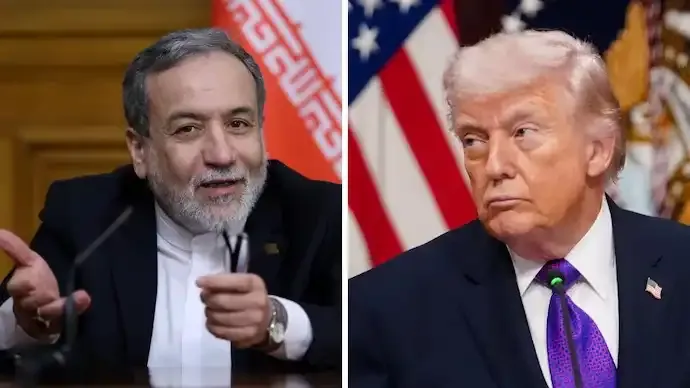
Iranian Foreign Ministry spokesperson Esmaeil Baghaei told state media that reports suggesting a ready-to-sign agreement remain speculative.
He indicated that consultations and reviews are still taking place within Iran's political and institutional framework.
The statement suggests that even if negotiations have made progress, considerable work may remain before a formal agreement can be approved by both sides.
Why the Talks Matter
Any potential agreement between the United States and Iran would have significant implications for global politics and energy markets.
The two countries have experienced decades of strained relations marked by:
- Economic sanctions
- Diplomatic disputes
- Military tensions
- Nuclear disagreements
- Regional security concerns
A successful agreement could help reduce tensions across the Middle East and improve stability in a region critical to global energy supplies.
Impact on Oil Markets and Global Economy
Investors and governments around the world are closely watching developments because of the potential impact on energy markets.
Progress in US-Iran relations could contribute to:
- Lower geopolitical risk
- Improved oil supply stability
- Reduced shipping disruptions
- Greater market confidence
Particular attention remains focused on the Strait of Hormuz, one of the world's most important oil transit routes.
Any improvement in security conditions around Hormuz could have positive effects on global trade and energy prices.
Diplomatic Challenges Remain
Experts caution that major diplomatic agreements involving Iran often require extensive negotiations and approval from multiple institutions.
Even if significant progress has been achieved behind closed doors, the gap between Washington's optimism and Tehran's caution suggests that important differences remain unresolved.
Analysts believe the coming days will be crucial in determining whether negotiations move toward a formal agreement or encounter further obstacles.
World Awaits Clarity
For now, the contrasting statements from Washington and Tehran have created uncertainty about the true status of the negotiations.
While Donald Trump has portrayed a settlement as imminent, Iran insists that no final agreement has been reached and that key issues remain under discussion.
Until both governments officially confirm a deal and disclose its terms, the future of US-Iran relations will remain one of the most closely watched developments in international diplomacy.




Conversation
Be kind and stay on topic. Comments are moderated; abuse, spam and personal attacks are removed. Report a problem