

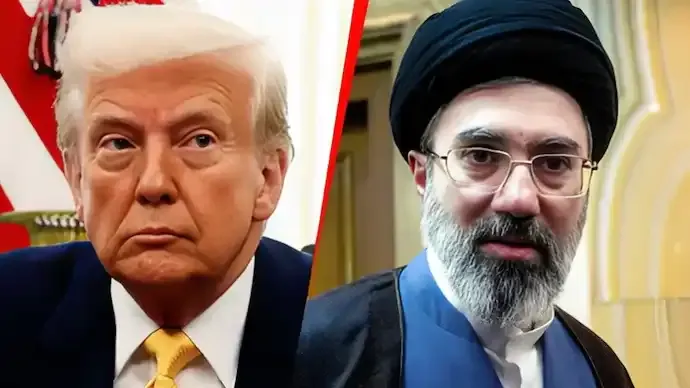

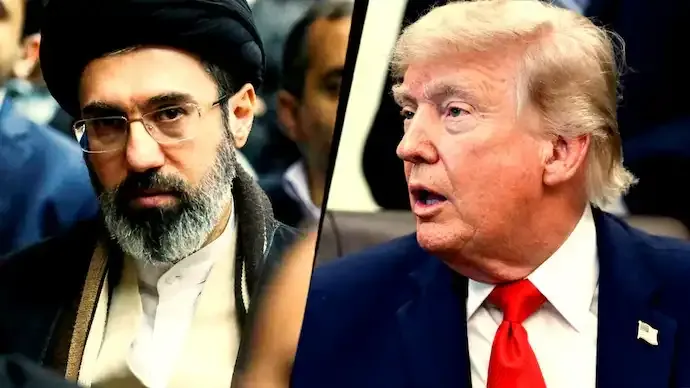
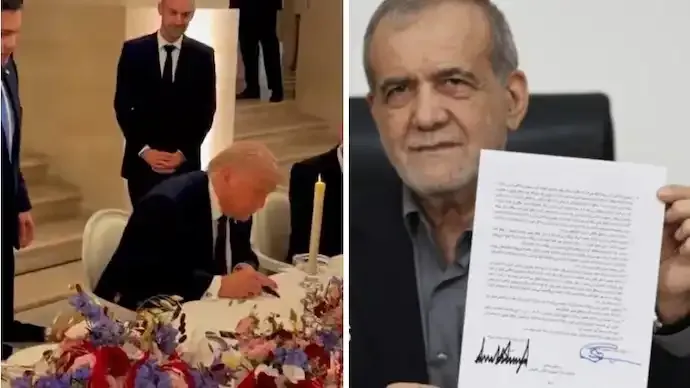
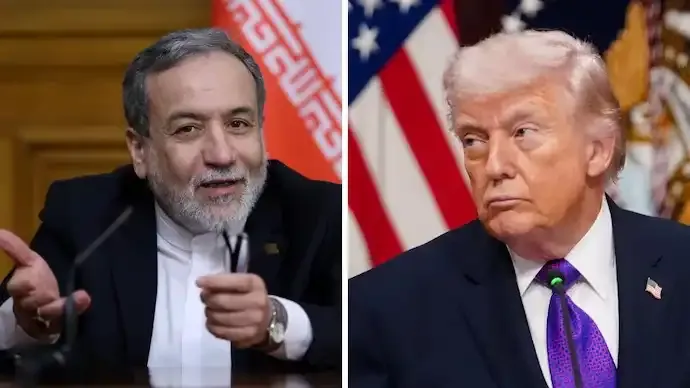
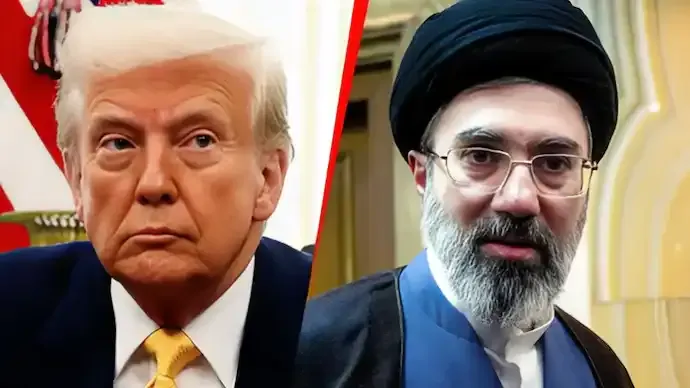
US President Donald Trump has claimed that the United States and Iran are on the verge of reaching a major agreement that could significantly reduce tensions in the Middle East. According to Trump, negotiations have progressed to a stage where only final documentation remains before a formal deal can be signed.
The announcement has generated global attention because it comes after weeks of heightened military tensions, missile exchanges, and concerns over the security of key energy routes in the Gulf region.
However, while Washington has expressed optimism, Iranian officials have not publicly confirmed the existence of a finalized agreement, creating uncertainty about the actual status of the negotiations.

What Did Trump Say?
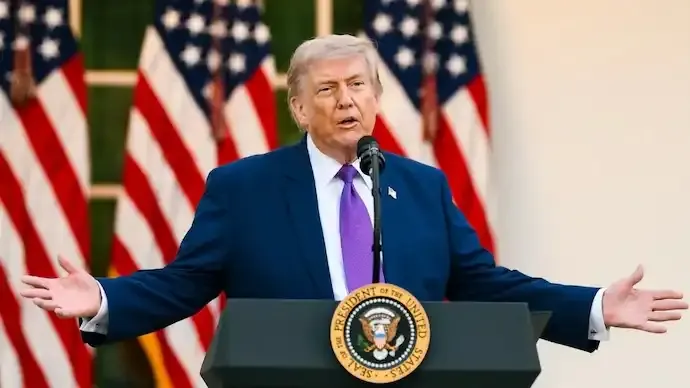
Speaking at the White House, Trump stated that the United States had achieved what he described as a significant settlement with Iran and suggested that both sides were nearing a formal agreement.
The US President expressed confidence that the proposed arrangement could:
- Extend the existing ceasefire
- Reduce military tensions
- Reopen critical shipping routes
- Restart diplomatic engagement
- Begin discussions on Iran's nuclear programme
Trump also described Iran's current leadership as more pragmatic than previous administrations, suggesting that conditions for a diplomatic breakthrough may be improving.
Iran Yet to Confirm the Agreement
Despite Trump's optimistic remarks, Iranian authorities have not officially endorsed or confirmed the proposed settlement.
The absence of confirmation from Tehran has led analysts to caution against assuming that a final deal has already been reached.
Diplomatic observers note that negotiations involving regional security, sanctions, and nuclear activities are highly complex and often require extensive discussions before formal agreements are finalized.
As a result, uncertainty remains regarding the exact terms and status of the proposed arrangement.
Why Is the Strait of Hormuz Important?
One of the reported objectives of the proposed agreement is the reopening and stabilization of the Strait of Hormuz.
The Strait of Hormuz is among the world's most important energy corridors.
Every day, a substantial portion of global oil exports passes through this narrow waterway connecting the Persian Gulf with international shipping routes.
Disruptions in the area can affect:
- Global oil prices
- International trade
- Energy markets
- Shipping costs
- Economic stability
Because of its strategic significance, any agreement that improves security in Hormuz would have implications far beyond the Middle East.
Nuclear Programme Discussions Could Resume
Reports indicate that the proposed framework may include renewed discussions regarding Iran's nuclear activities.
The Iranian nuclear programme has remained one of the most contentious issues in international diplomacy for more than two decades.
Western nations have long sought assurances that Iran's nuclear activities remain peaceful, while Tehran has consistently maintained that its programme is intended for civilian purposes.
A renewed dialogue could potentially reduce tensions and reopen channels for broader diplomatic engagement.
Global Markets Watching Closely
Financial markets are closely monitoring developments because a successful agreement could influence global energy prices.
Over recent months, geopolitical tensions in the Middle East have contributed to volatility in oil markets.
A reduction in regional conflict could:
- Improve investor confidence
- Stabilize energy supplies
- Lower shipping risks
- Reduce geopolitical uncertainty
Economists note that any progress toward peace would be welcomed by countries dependent on energy imports, including India.
Challenges Remain Before a Final Deal
Despite the positive signals from Washington, several challenges could still complicate the negotiation process.
Key issues likely include:
- Sanctions relief
- Security guarantees
- Regional military activities
- Nuclear oversight mechanisms
- Verification procedures
Experts caution that agreements involving these topics often require extensive technical and diplomatic negotiations before implementation.
As a result, official confirmation from both governments will be critical before any breakthrough can be considered final.
Potential Impact on the Middle East
If successfully concluded, the agreement could represent one of the most significant diplomatic developments in the region in recent years.
A reduction in tensions between the United States and Iran could improve stability across the Gulf region and reduce the risk of further military escalation.
At the same time, regional allies and international stakeholders will closely examine the details of any agreement to understand its broader geopolitical implications.
World Awaits Official Confirmation
For now, the proposed US-Iran deal remains a developing story.
While Donald Trump has expressed strong confidence that an agreement is close, Iran's cautious response indicates that important discussions may still be underway.
Until both sides formally confirm the arrangement and release details, global markets, governments, and diplomatic observers will continue to watch developments closely.




Conversation
Be kind and stay on topic. Comments are moderated; abuse, spam and personal attacks are removed. Report a problem