

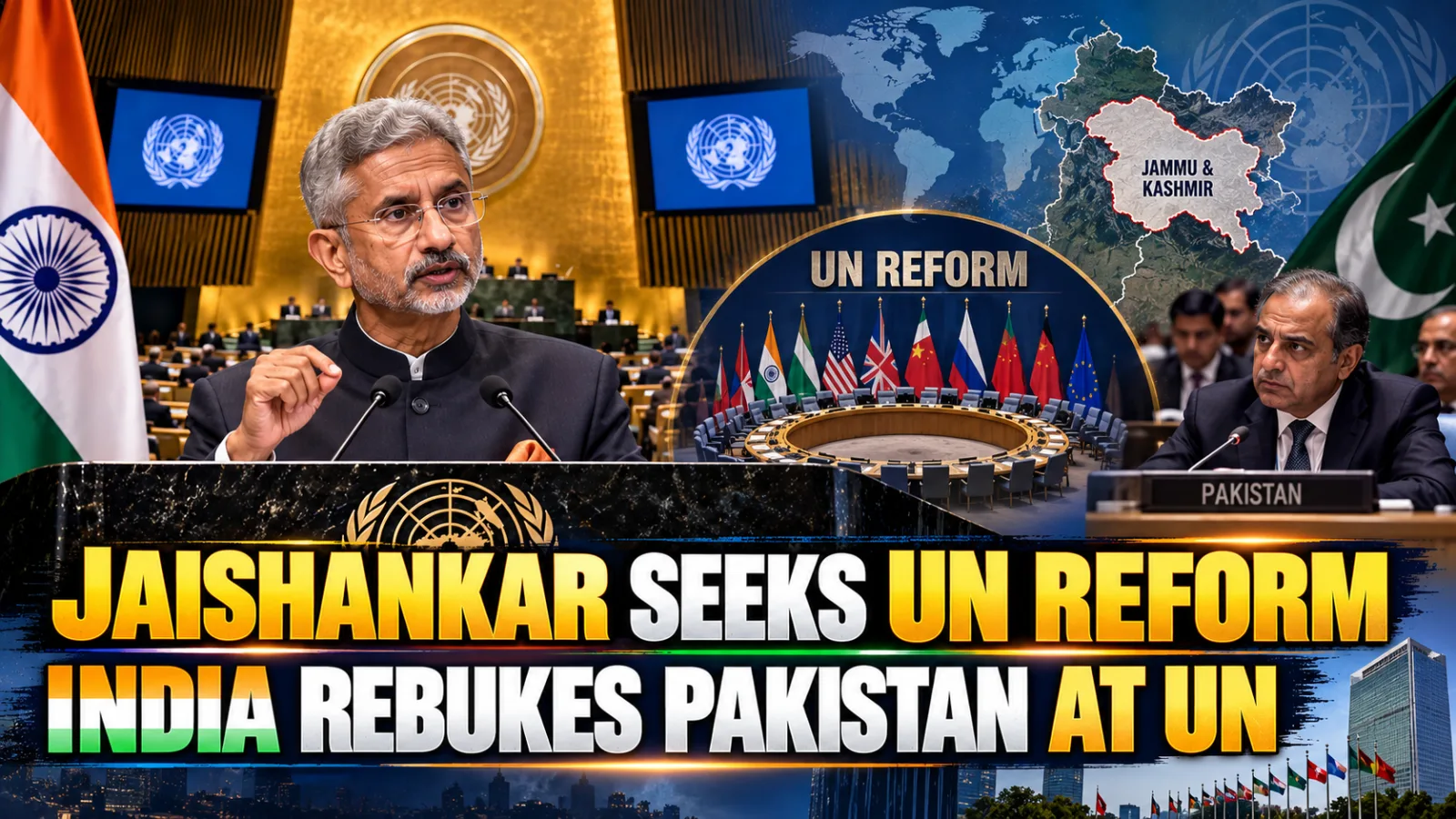

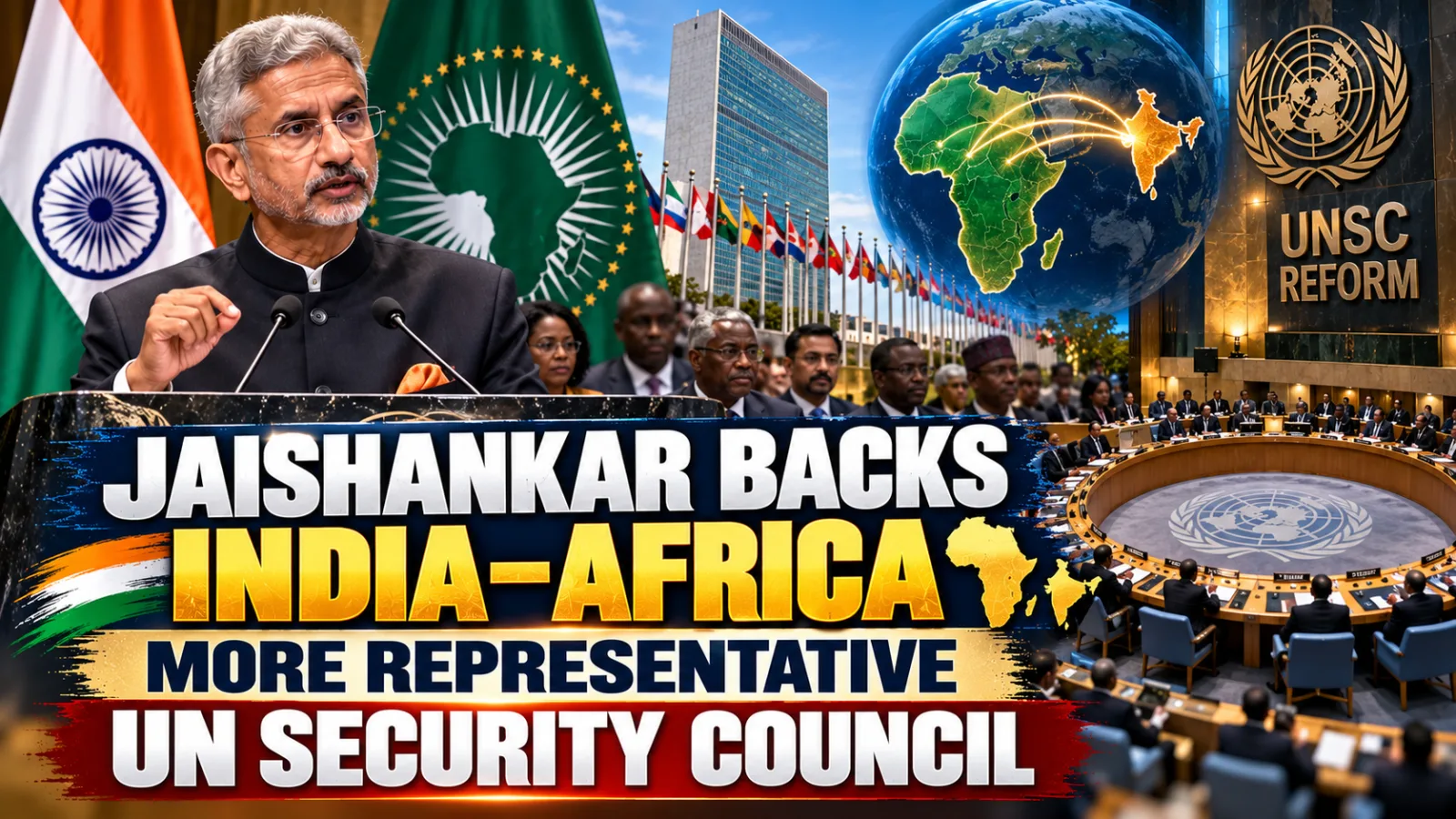
External Affairs Minister S Jaishankar has called for reform of the United Nations Security Council, arguing that India and Africa remain underrepresented in global decision-making. His remarks in Addis Ababa came as India also pushed back against Pakistan's statements at the United Nations on nuclear weapons and Jammu and Kashmir.
Jaishankar said the current structure of global governance needed to become more democratic and representative. India's demand for reform reflects its longstanding position that international institutions should better represent contemporary geopolitical realities and give emerging economies a greater role in decisions affecting the world.
The call for reform comes amid continuing debates over the composition and effectiveness of the UN Security Council, which has primary responsibility for maintaining international peace and security.

India Rejects Pakistan's Nuclear Rhetoric
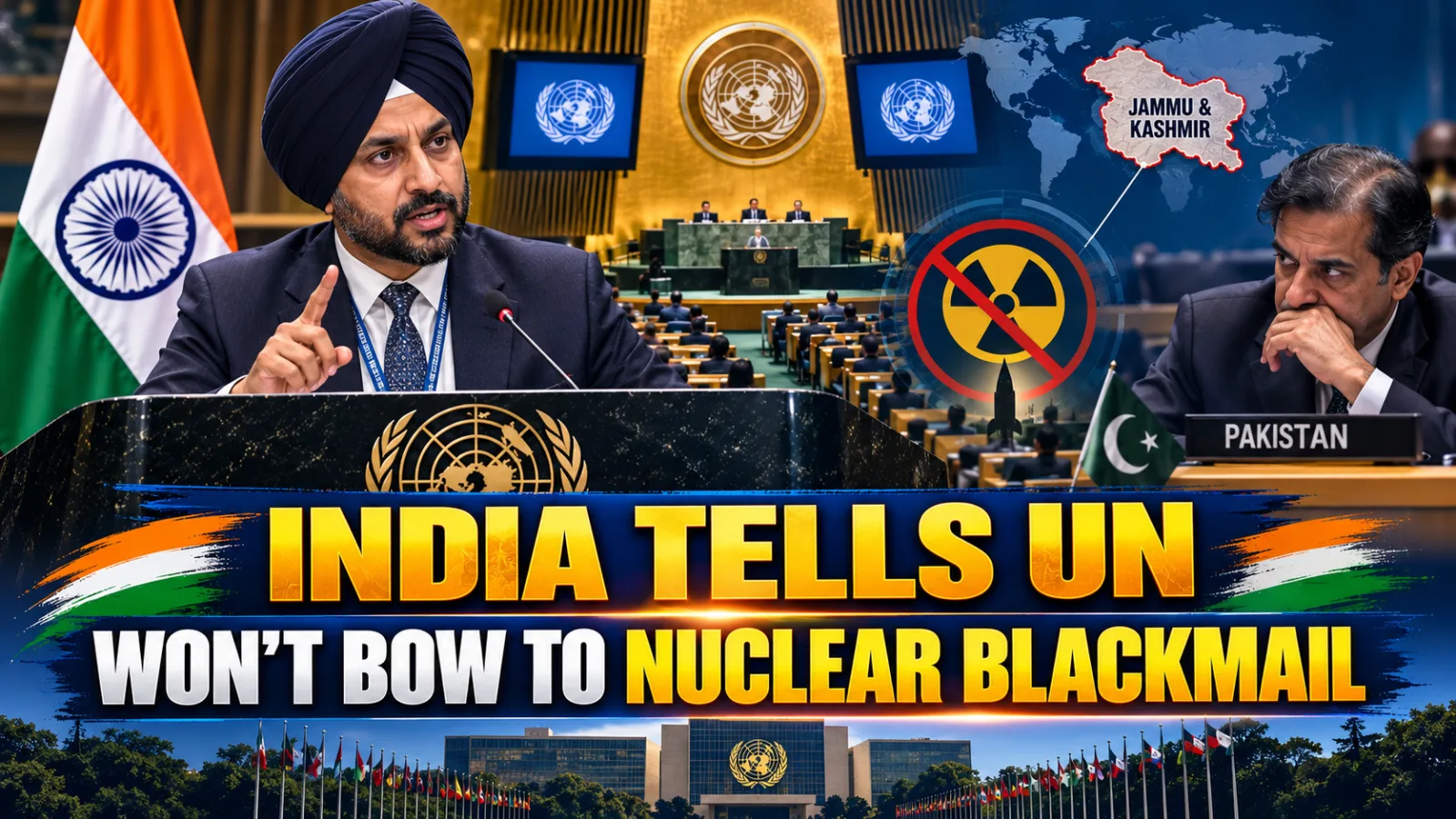
At the United Nations, India criticised Pakistan's references to nuclear weapons, arguing that such weapons must not be treated as routine instruments of statecraft. New Delhi also said it would not bow to what it described as nuclear blackmail.
India's response underlined its position that nuclear threats should not be used as a tool of political pressure. The exchange reflects the continuing security tensions between the two neighbouring countries, which have a long history of disagreements.
India Reaffirms Its Position on Jammu and Kashmir
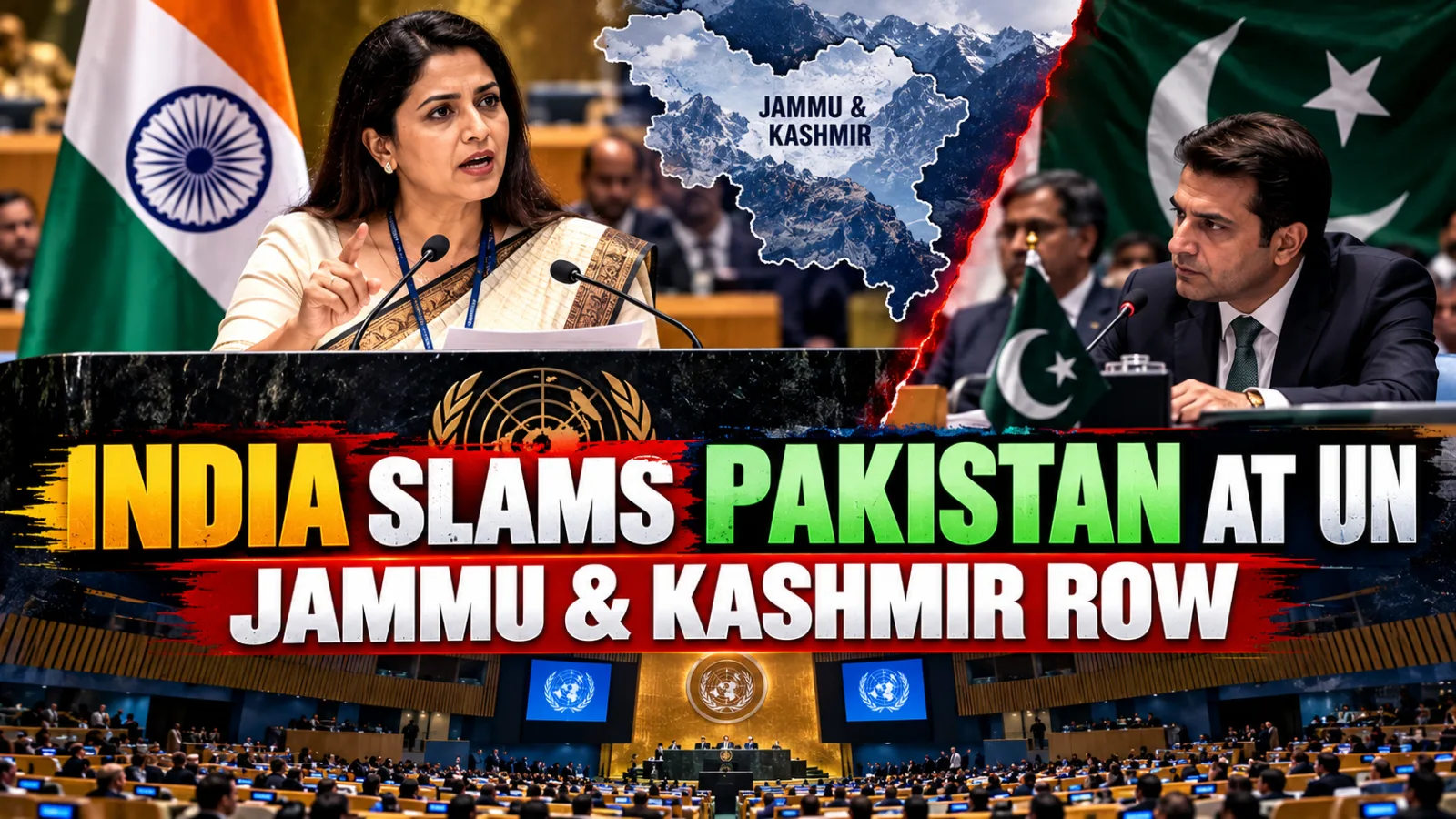
In a separate exchange at the UN General Assembly's Fourth Committee, India exercised its Right of Reply to reject Pakistan's remarks on Jammu and Kashmir.
Indian Member of Parliament Mahima Kumari Mewar delivered the response, describing Pakistan's statements as an abuse of the international forum and reiterating that Jammu and Kashmir is an integral and inalienable part of India.
India also raised allegations of ongoing human rights violations in areas under Pakistani control. These claims were presented as part of India's statement during the diplomatic exchange.
The response marked another instance of the two countries presenting opposing positions on Jammu and Kashmir at an international forum.
UN Reform and India's Global Role
Jaishankar's remarks and India's response to Pakistan brought two major aspects of New Delhi's diplomatic position into focus: the demand for broader representation in global institutions and its defence of its stated positions on national security and territorial issues.
India has consistently called for changes to the Security Council's structure, arguing that the current system does not adequately reflect the distribution of global influence and the interests of developing countries.
The latest developments highlight India's efforts to press for changes in international governance while continuing to address longstanding disputes through diplomatic forums.





Conversation
Be kind and stay on topic. Comments are moderated; abuse, spam and personal attacks are removed. Report a problem