

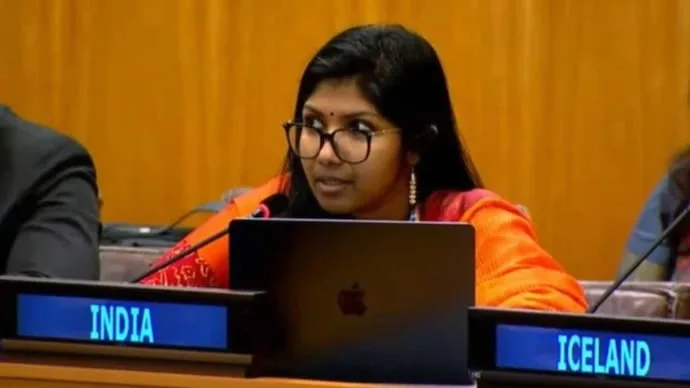

India invoked the 1999 Kargil War at the United Nations to counter Pakistan over allegations concerning funeral rights in Jammu and Kashmir, recalling that Pakistani soldiers killed during the conflict were buried by Indian troops after Islamabad did not acknowledge their involvement.
The exchange took place during an interactive dialogue on funeral rights in exceptional circumstances on Thursday, October 22. India was responding to an interim report by Nazila Ghanea, the UN Special Rapporteur on freedom of religion and belief, which raised concerns about the treatment of bodies following security operations in Jammu and Kashmir.
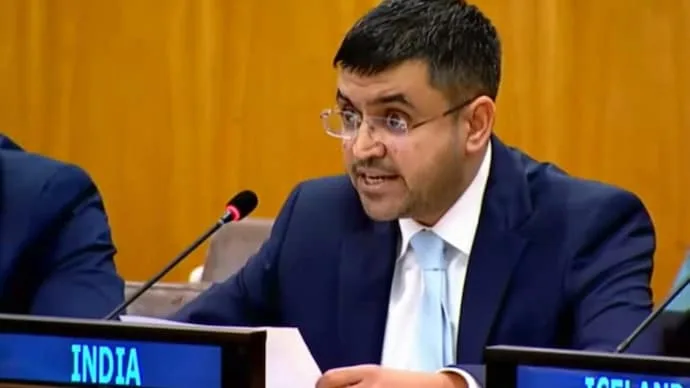
Bhavika Mangalanandan, First Secretary at India's Permanent Mission to the UN, criticised Pakistan's position, pointing to the contrast between its statements on religious freedom and its conduct during the Kargil conflict.

She said Indian troops had buried several Pakistani soldiers with military honours and in accordance with Islamic rites after Pakistan refused to acknowledge their presence during the 1999 war.
India Challenges UN Report on Funeral Rights
The interim report highlighted allegations of restrictions on funeral rights in Jammu and Kashmir, including the denial of bodies to families and remote or secret burials. It said these reported practices disproportionately affected Muslims and raised concerns about religious customs.
India questioned aspects of the report's approach, particularly its discussion of funeral rights for individuals accused of terrorism. Mangalanandan argued that such rights must be considered alongside legal limits, sovereignty and the impact of terrorism on victims and society.
She also criticised what she described as selective attention to recent human rights concerns in different parts of the world, including the treatment of people during the COVID-19 pandemic.
India Raises Jammu and Kashmir and Minority Rights
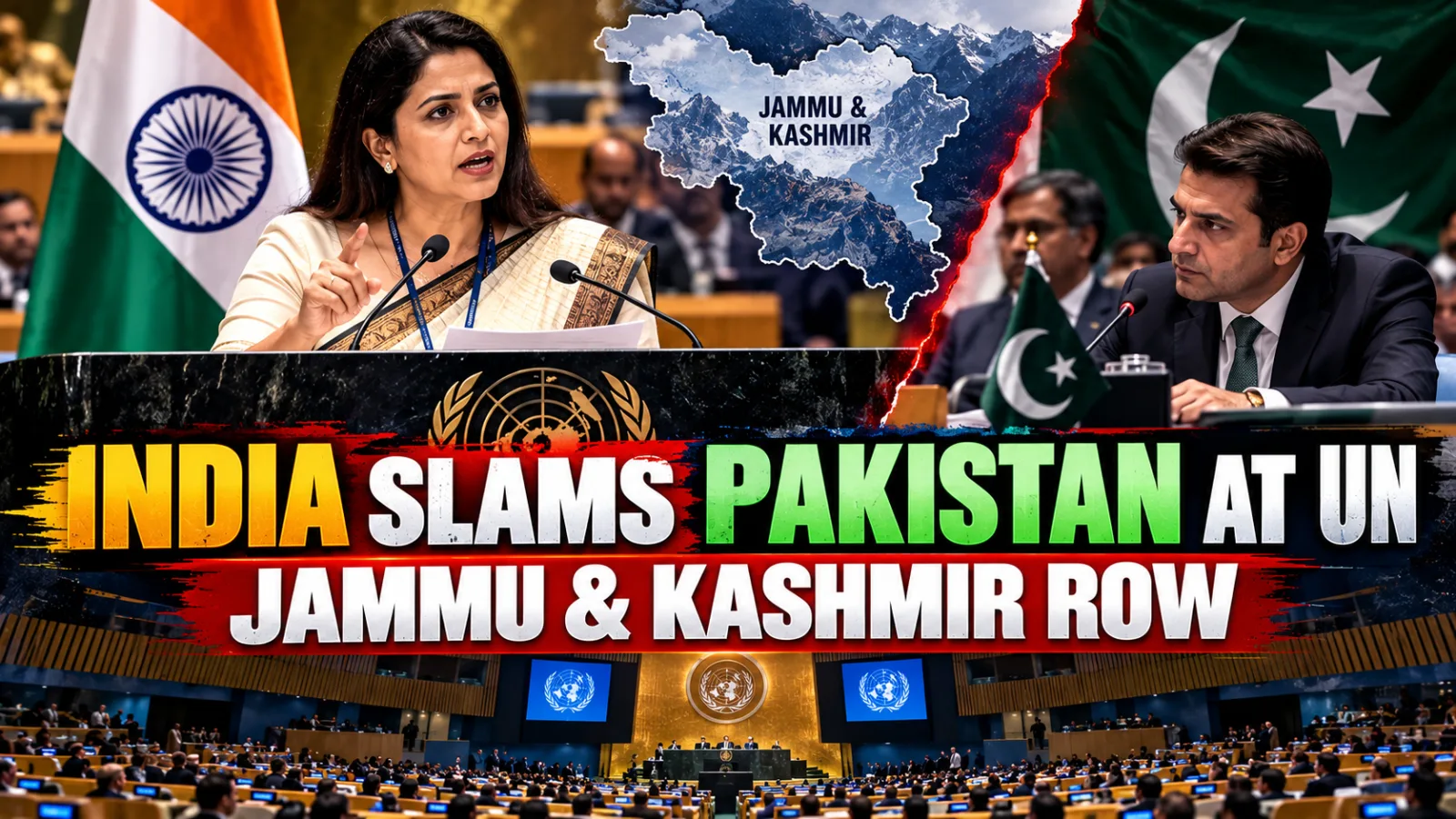
Turning to Pakistan's statements on Jammu and Kashmir, Mangalanandan urged Islamabad to focus on developments in territories under its control, including Rawalakot, which India describes as part of Pakistan-occupied Jammu and Kashmir.
She also accused Pakistan of failing to adequately protect religious minorities, including Hindus, Christians and Sikhs. Her remarks referenced concerns over alleged forced marriages and conversions, misuse of blasphemy laws and discriminatory practices.
The Human Rights Commission of Pakistan's report, Sanctuary Denied: Freedom of Religion or Belief in 2025/26, was cited in the discussion of continuing concerns affecting minority communities.
Diplomatic Tensions Continue at the UN
The exchange underscores continuing diplomatic tensions between India and Pakistan over Jammu and Kashmir, religious freedom and human rights.
While India challenged Pakistan's criticism by invoking historical events and minority-rights concerns, the UN dialogue focused on allegations surrounding funeral practices and the protection of religious rights in exceptional circumstances.
Read more: Visit the United Nations official website for information on human rights discussions and international affairs.



Conversation
Be kind and stay on topic. Comments are moderated; abuse, spam and personal attacks are removed. Report a problem