

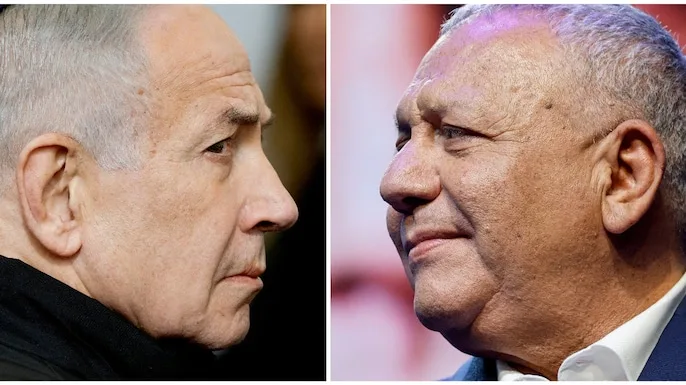

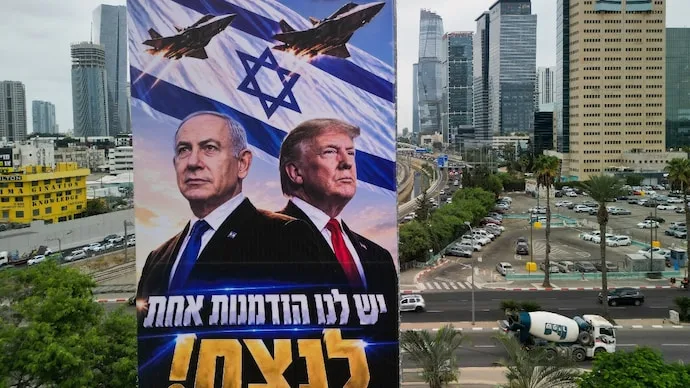
Israel's election 2026 results have left the country facing a political deadlock, with neither Prime Minister Benjamin Netanyahu's bloc nor the opposition securing enough seats to form a government independently.
The final count for the October 27 parliamentary election gave Netanyahu's bloc 53 seats in the 120-member Knesset, compared with 48 seats for the opposition and 19 for Arab parties. A minimum of 61 seats is required to secure a parliamentary majority.
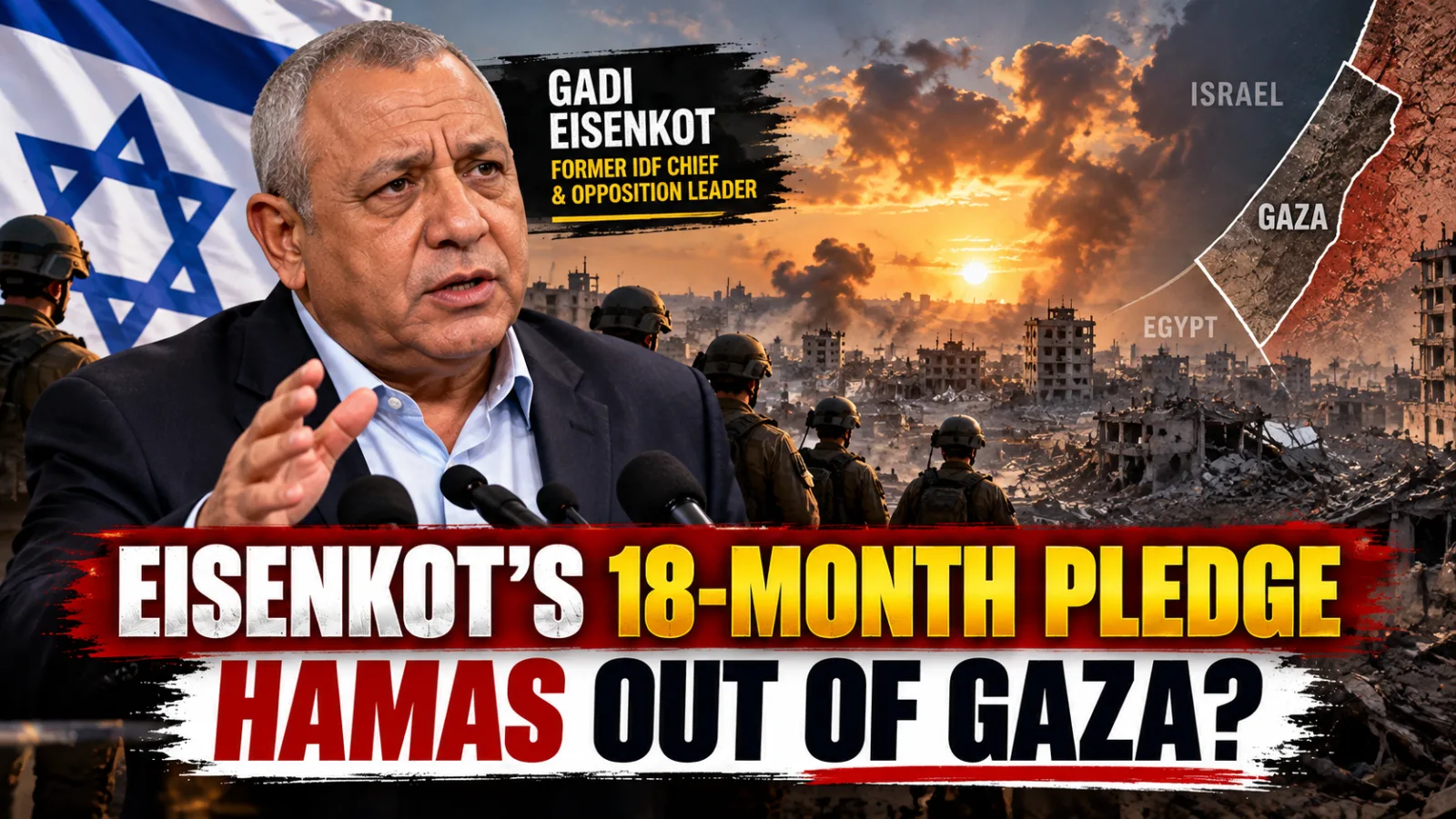
Although Netanyahu's Likud emerged as the largest party with 27 seats, the result does not guarantee his return to power. Opposition leader Gadi Eisenkot also faces the challenge of assembling a coalition capable of crossing the majority threshold.

Netanyahu's Bloc Falls Short of Majority
With all votes counted, Netanyahu's political bloc remained eight seats short of the 61 required to form a majority government.
The opposition secured 48 seats, while Arab parties collectively won 19. Their parliamentary strength has brought them into focus as potential kingmakers during the upcoming coalition negotiations.
The election outcome has left Israel's next government uncertain, with negotiations and possible political alliances expected to play a decisive role.
Protesters Urge Eisenkot to Consider Arab Party Alliance
Amid the political uncertainty, left-wing activists gathered outside Gadi Eisenkot's residence on Thursday, urging him to consider forming a government with the support of Arab parties.
Demonstrators called on Eisenkot to reconsider opposition parties' positions against cooperating with Arab representatives.
Einat Keren, who attended the protest, said she opposed the refusal of several political parties to work with Arab parties.
Tel Aviv-Jaffa Deputy Mayor Amir Badran also urged Eisenkot to demonstrate political courage and explore an alternative government supported by Jewish and Arab representatives.
Netanyahu Alleges Vote Fraud, Arab Leaders Reject Claims
The political standoff has been accompanied by growing tensions over the election results.
Netanyahu alleged on Thursday that voter fraud contributed to the gains made by Arab parties. However, he did not provide evidence supporting the allegation.
Arab leaders rejected the claims and accused the Prime Minister of incitement.
Israeli authorities said they were investigating the allegations but maintained that the election's integrity had not been systematically compromised.
Coalition Negotiations to Decide Israel's Next Government
The final results have created a complicated political situation in which neither major bloc has a clear route to forming a government.
Netanyahu's Likud remains the largest individual party, but its broader bloc lacks the numbers needed for a majority. Meanwhile, the opposition must consider potential alliances to overcome the parliamentary shortfall.
The position of Arab parties could therefore become central to negotiations as political leaders attempt to break the deadlock and determine Israel's next government.
For official election information, visit the Central Elections Committee of Israel.




Conversation
Be kind and stay on topic. Comments are moderated; abuse, spam and personal attacks are removed. Report a problem