
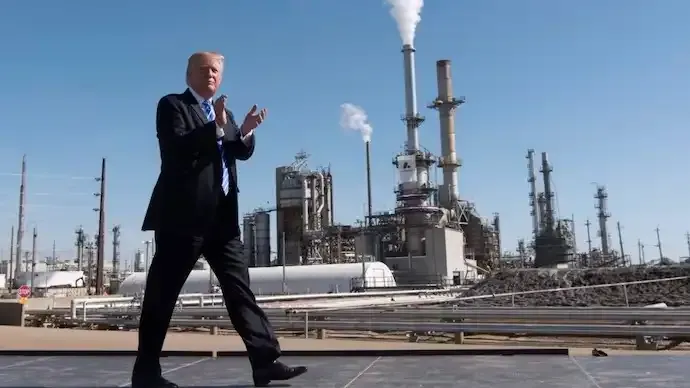
Rising tensions in the Strait of Hormuz have disrupted global oil supply chains, creating a major shift in the energy market. As Iran tightens control over this critical corridor, the situation has opened up new opportunities for the United States.
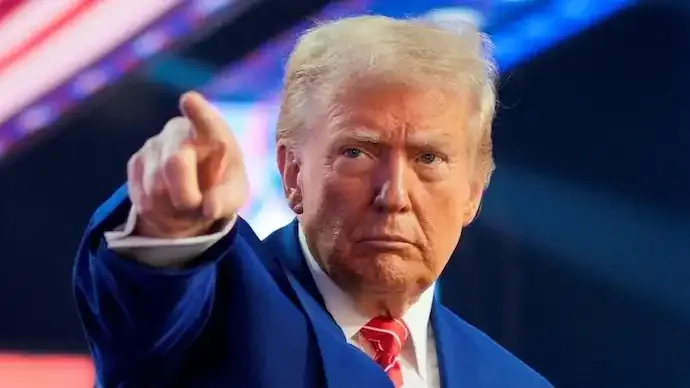
Donald Trump appears to be leveraging this disruption to promote American oil and gas exports as an alternative for countries affected by the crisis.
World’s Key Oil Route Under Pressure
The Strait of Hormuz is one of the most important oil transit routes globally, handling a significant share of the world’s crude oil shipments. Any disruption in this region immediately impacts global energy prices and supply availability.
Recent developments have led to what experts describe as one of the largest oil supply shocks in recent history, forcing countries to look for alternative sources.
Trump Pushes ‘Buy American Energy’ Approach
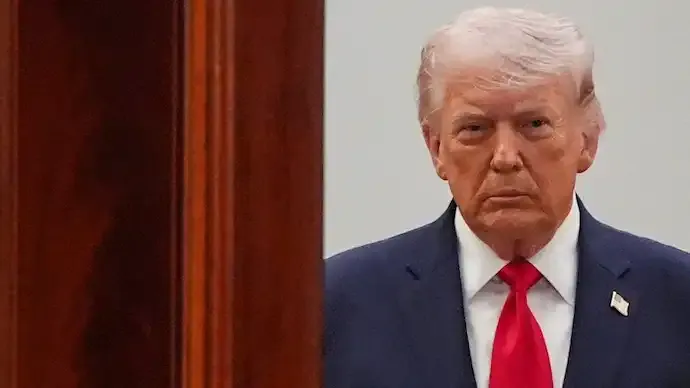
In his recent address, Trump made it clear that countries dependent on Middle Eastern oil could shift towards US energy supplies. His message was direct—rather than getting involved in regional conflicts, nations can rely on American exports to meet their energy needs.
This approach reflects a blend of geopolitical strategy and economic positioning, where the US aims to strengthen its role as a global energy supplier.
US Fuel Exports Hit Record Levels
Amid the Hormuz tensions, US fuel exports have surged to record levels. The increase indicates that global buyers are already turning towards American oil and gas to manage supply uncertainties.
This trend not only boosts the US economy but also enhances its influence in global energy markets.
Strategic and Economic Gains for the US
The ongoing crisis presents multiple advantages for the US:
- Higher demand for American oil and gas
- Increased geopolitical leverage
- Reduced dependence on unstable regions
By positioning itself as a reliable supplier, the US can strengthen long-term trade relationships and expand its energy footprint.
Global Impact of the Oil Supply Disruption
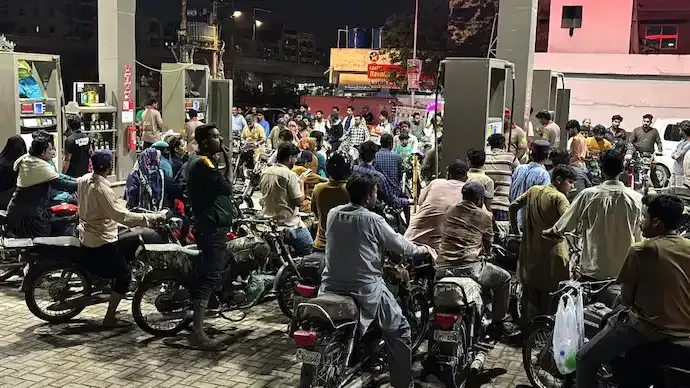
The disruption in the Strait of Hormuz has far-reaching implications for global markets. Rising oil prices, supply shortages, and shifting trade patterns are affecting economies worldwide, including India and other energy-importing nations.
Countries are now exploring diversification strategies to reduce reliance on single routes or regions.
Balancing Risk and Opportunity
While the situation creates economic opportunities, it also carries risks of escalation and instability in the Middle East. Any prolonged disruption could further strain global markets.
Trump’s strategy highlights how geopolitical tensions can reshape economic priorities, especially in sectors as critical as energy.


Conversation
Be kind and stay on topic. Comments are moderated; abuse, spam and personal attacks are removed. Report a problem