

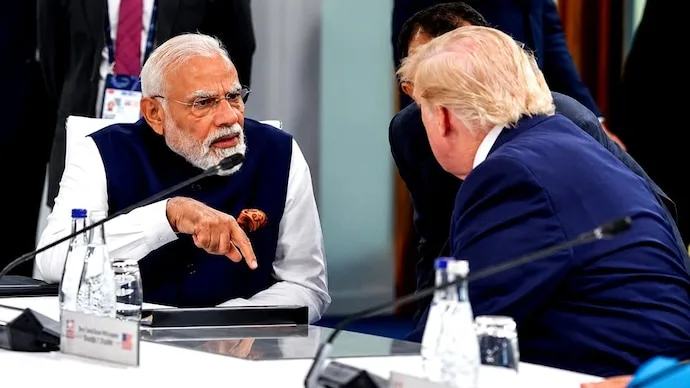

US President Donald Trump's reported agreement with Russian President Vladimir Putin to secure diesel supplies has triggered criticism over Washington's approach to countries purchasing Russian energy. The move has drawn particular attention because the Trump administration previously imposed steep tariffs on Indian goods, citing New Delhi's continued imports of Russian oil.
The agreement comes amid rising fuel prices in the United States and continuing tensions over the Russia-Ukraine war. Critics have questioned whether Washington is applying the same standards to its own energy decisions that it has demanded of other countries.
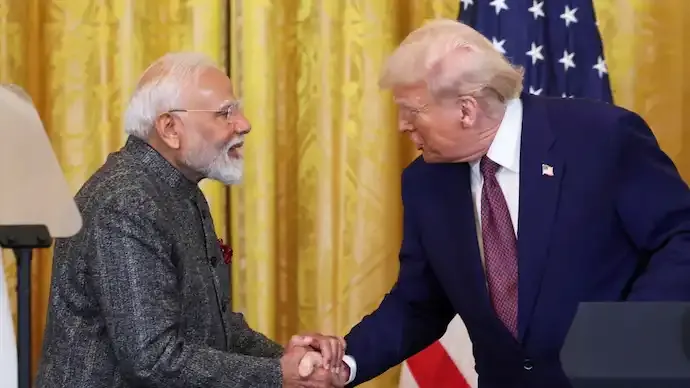
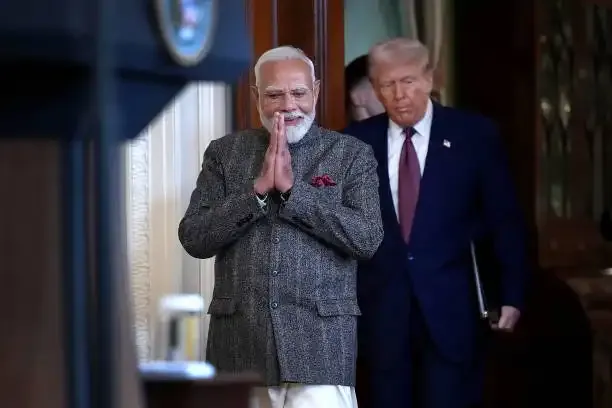
The controversy also comes as India and the United States work to strengthen their trade relationship following a period of strained ties over tariffs and energy purchases.

Why Is the US Seeking Russian Diesel?
According to the report, Trump announced that Russia would release 300,000 tonnes of diesel immediately for American and global markets, followed by another 500,000 tonnes in November and a further one million tonnes later.
The reported arrangement comes as higher fuel prices have placed pressure on American households, farmers, truckers and businesses dependent on diesel. The report links the price surge to instability in the Middle East and disruptions affecting energy supplies through the Strait of Hormuz.
Trump said lower fuel prices for Americans, particularly farmers, ranchers and truckers, were a priority. The administration's reported decision to seek Russian supplies has nevertheless prompted questions about how it fits with its previous sanctions policy.
The report also said the United States could suspend sanctions on Russian diesel exports until April 2027. Such a move would represent a significant policy development amid the ongoing conflict in Ukraine.
Critics Question Washington's Position on India
India faced additional US tariffs last year after Washington cited New Delhi's purchases of Russian oil. The additional 25% levy reportedly took the total tariff burden on Indian goods to 50%.
US officials also criticised India's energy relationship with Moscow. Peter Navarro, a close Trump adviser, described India as a “laundromat for the Kremlin” and referred to its Russian crude imports as “blood money”.
India maintained that its energy decisions were guided by national interests and the need to secure affordable supplies for its population. The country relies heavily on imported energy, making price and supply considerations central to its purchasing decisions.
The reported Russian diesel arrangement has prompted critics to question why similar considerations should not apply to Washington's own energy policy.
Experts Highlight the Potential Impact on India-US Ties
Geopolitical expert Evan A. Feigenbaum criticised the apparent contradiction, arguing that the United States could continue to threaten penalties against India for buying Russian energy while seeking Russian diesel for its own market.
US Senator Richard Blumenthal, who co-authored legislation concerning sanctions on Russia, also criticised the reported deal, describing it as an embarrassment.
Ukrainian President Volodymyr Zelensky reportedly condemned the arrangement, calling it a gift to Putin and arguing that it could help prolong the war.
The dispute could complicate diplomatic efforts to strengthen India-US relations. Although Washington removed the additional 25% punitive tariffs earlier this year following progress towards a trade deal framework, disagreements over energy policy remain politically sensitive.
Trump's administration will face scrutiny over whether the reported diesel arrangement delivers relief to American consumers while remaining consistent with its broader approach to Russia and countries that purchase Russian energy.





Conversation
Be kind and stay on topic. Comments are moderated; abuse, spam and personal attacks are removed. Report a problem