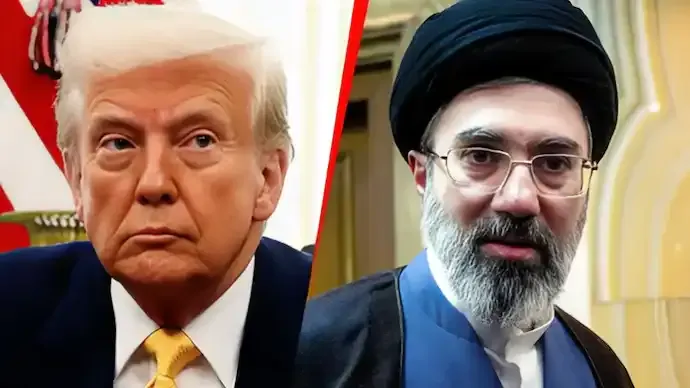
The United States and Iran appear to be nearing a breakthrough agreement aimed at ending months of military confrontation and reducing tensions across the Middle East.
According to details emerging from ongoing negotiations, both countries are working toward an initial memorandum that could be signed within days. The proposed framework seeks to restore stability in the region, reopen critical shipping routes, and provide economic relief to Tehran while postponing final decisions on Iran's nuclear programme.
The agreement would represent the most significant diplomatic development between Washington and Tehran in years.
Strait of Hormuz Could Reopen Fully
One of the most immediate outcomes of the proposed deal would be the reopening and stabilization of the Strait of Hormuz.
The waterway is one of the world's most important energy corridors, handling a substantial portion of global oil shipments.
Recent military tensions and attacks on commercial vessels have raised concerns about:
-
Global energy supplies
-
International shipping routes
-
Oil prices
-
Maritime security
-
Regional stability
A reopening of the route could help ease pressure on global markets and reduce uncertainty for shipping operators.
Economic Relief for Tehran
The draft framework reportedly includes measures that would provide Iran with significant economic relief.
Potential provisions may include:
-
Easing of selected sanctions
-
Greater access to international markets
-
Increased oil export opportunities
-
Financial relief measures
-
Expanded trade channels
Iranian officials have long argued that sanctions have severely impacted the country's economy, and any relaxation would likely be presented domestically as a diplomatic success.
The economic component of the deal is expected to be a major factor in securing support from various stakeholders within Iran.
Nuclear Programme Left for Future Negotiations
Perhaps the most significant aspect of the proposed agreement is what it does not immediately resolve.
The issue at the center of years of tension between Washington and Tehran—the Iranian nuclear programme—would be addressed separately through future negotiations.
Under the draft framework, both sides would enter a dedicated 60-day negotiation period focused exclusively on nuclear-related matters.
This approach allows the two countries to first stabilize the broader security environment before attempting to resolve the more complex nuclear dispute.
60-Day Window for Nuclear Talks
The proposed memorandum reportedly outlines a structured process for future negotiations.
During the 60-day period, discussions would focus on:
-
Uranium enrichment activities
-
Inspection mechanisms
-
Verification procedures
-
Nuclear transparency measures
-
Long-term compliance arrangements
The outcome of these talks could determine whether the broader agreement evolves into a more comprehensive and lasting settlement.
Analysts note that postponing the nuclear issue may help both sides secure immediate gains while avoiding obstacles that could derail the initial agreement.
Trump Administration Signals Progress
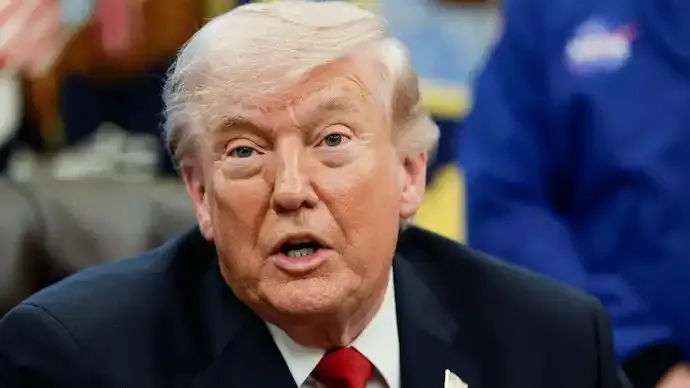
US President Donald Trump has repeatedly expressed optimism about the possibility of reaching an agreement.
The proposed framework aligns with recent statements from Washington suggesting that negotiations have made substantial progress despite ongoing disagreements.
American officials view the reopening of shipping lanes and the reduction of military tensions as important objectives that could be achieved before a final nuclear settlement is reached.
The administration has emphasized the importance of maintaining regional stability while continuing to address security concerns.
Tehran Claims Diplomatic Success
Iranian officials have also portrayed the emerging agreement positively.
By securing potential sanctions relief without immediately accepting new nuclear restrictions, Tehran may present the deal domestically as a diplomatic victory.
Political observers believe Iranian leaders could argue that sustained resistance and negotiations have resulted in meaningful economic and strategic gains.
However, Iranian authorities have remained cautious regarding final announcements until details are formally agreed upon.
Global Markets Watching Closely
The proposed agreement has attracted significant attention from governments, investors, and energy markets around the world.
A successful deal could have implications for:
-
Global oil prices
-
International trade
-
Energy security
-
Shipping insurance costs
-
Regional investment flows
Financial markets have been closely monitoring developments, particularly because disruptions in the Gulf region often affect energy prices worldwide.
Challenges Still Remain
Despite the apparent progress, several major issues remain unresolved.
Negotiators still need to finalize:
-
Implementation mechanisms
-
Verification arrangements
-
Sanctions timelines
-
Security commitments
-
Nuclear negotiation frameworks
Any disagreement on these issues could complicate efforts to convert the draft memorandum into a lasting agreement.
Diplomatic experts caution that negotiations between Washington and Tehran have historically faced numerous setbacks, making final implementation far from guaranteed.
A Potential Turning Point
If signed, the proposed memorandum could mark a significant turning point in US-Iran relations and regional geopolitics.
By combining sanctions relief, maritime stability, and future nuclear negotiations, the agreement attempts to balance the priorities of both sides while creating space for broader diplomatic engagement.
For now, attention remains focused on whether the two countries can finalize the document and begin the next phase of negotiations that could shape the future of Middle Eastern security and global energy markets.