

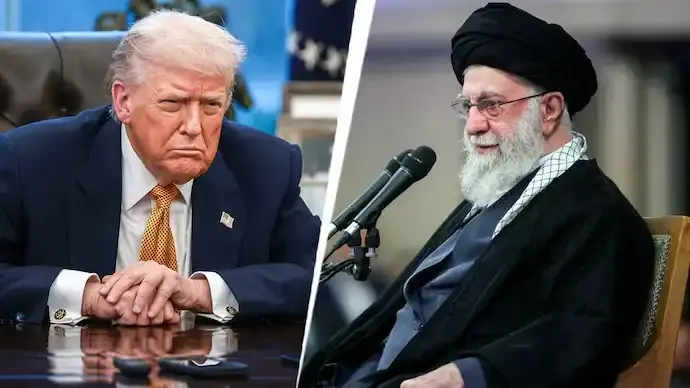
Tensions between the United States and Iran have escalated sharply, triggering global concern over the possibility of a military confrontation even as faint diplomatic signals hint at a possible off-ramp. A special edition of Battle Cry examined whether the region is heading toward a direct conflict or stepping back from the brink through behind-the-scenes negotiations.
The programme highlighted a rapidly evolving situation marked by military posturing, diplomatic manoeuvres, and internal instability within Iran. Recent reports of New Zealand withdrawing embassy staff from Tehran have fuelled speculation that Western governments are preparing for a potential escalation. Such moves are often seen as early warning signs of deteriorating security conditions.
White House Claims and Execution Freeze
Adding to the complexity, the White House has claimed that Iran halted the execution of nearly 800 protesters following pressure from US President Donald Trump. The claim has raised questions about whether Washington has quietly secured a diplomatic concession from Tehran, even as public rhetoric remains confrontational.
Observers remain divided on the credibility of these claims, as Iranian authorities have neither officially confirmed nor denied the reported halt in executions. Analysts say the assertion could indicate backchannel communications aimed at de-escalation, or it could be part of a broader psychological and political narrative playing out amid rising tensions.
Strike Fears Versus Diplomatic Off-Ramp
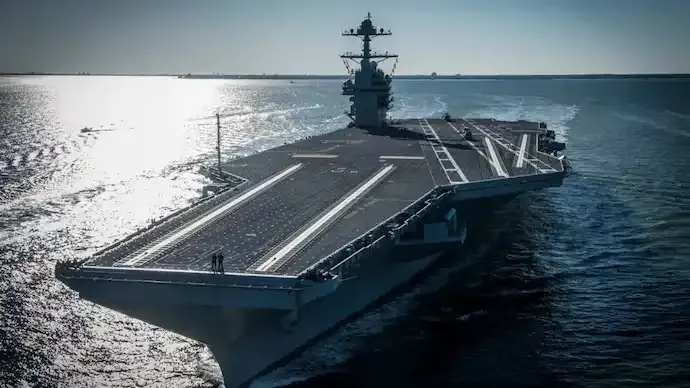
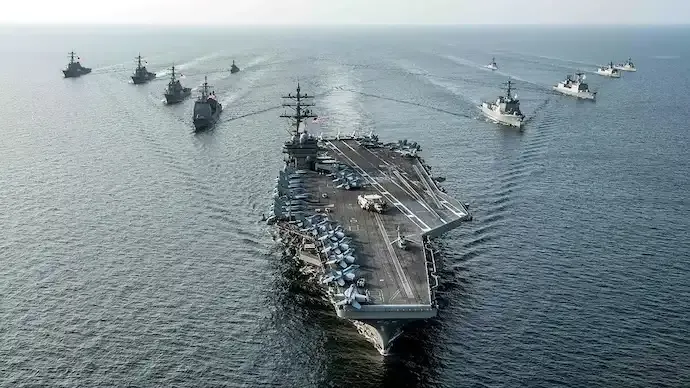
The central question debated was whether the United States is preparing for a military strike on Iran or deliberately keeping pressure high to force diplomatic outcomes. Experts pointed out that Washington’s strategy appears to involve calibrated ambiguity—maintaining the threat of force while leaving space for negotiation.
Regional diplomacy has emerged as a potential stabilising factor. Countries like Saudi Arabia and Qatar were cited as possible mediators working quietly to prevent a wider conflict in West Asia. Their involvement, analysts said, could be crucial in defusing tensions without either side losing face.
Iran’s Military Capabilities Under Scrutiny
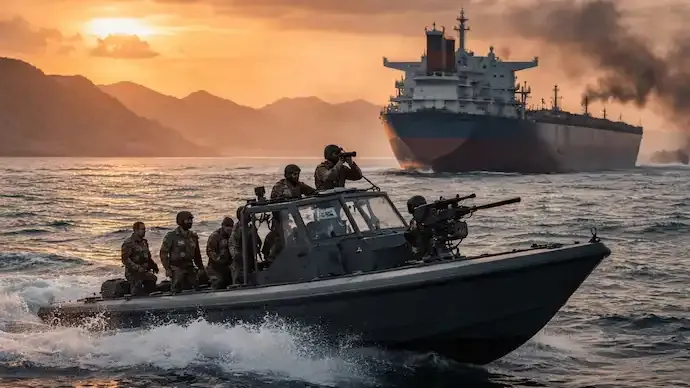
The programme also examined Iran’s military posture, particularly its missile and drone capabilities. Iran’s arsenal reportedly includes Fateh-series missiles and Shahed drones, weapons that have already demonstrated their strategic value in regional conflicts. Military experts warned that any direct confrontation could quickly escalate beyond bilateral conflict, drawing in allies and destabilising the broader region.
Such capabilities, combined with Iran’s network of regional allies and proxies, mean that even limited strikes could have far-reaching consequences across West Asia, including disruptions to global energy markets and maritime security.
Internal Pressure on Tehran
Beyond external tensions, Iran is grappling with severe internal challenges. Panelists discussed signs of economic collapse, widespread civil protests, and growing discontent with clerical rule. These internal pressures are seen as a critical factor influencing Tehran’s behaviour, potentially making the leadership both more defensive and more unpredictable.
Analysts noted that regimes under intense domestic strain often respond by amplifying external threats to consolidate internal control. At the same time, the scale of protests suggests that Iran’s leadership may also be wary of provoking a conflict that could further destabilise the country.
A Region at a Crossroads
The debate underscored that the US-Iran standoff has reached a pivotal moment. While military preparations and hostile rhetoric point toward escalation, diplomatic signals suggest that neither side may be eager for an all-out conflict. The coming days, experts said, will be critical in determining whether the situation tips into confrontation or pulls back through negotiation.
As West Asia watches closely, the balance between deterrence and diplomacy continues to define the next phase of US-Iran relations, with global implications for security, energy, and geopolitical stability.
Conversation
Be kind and stay on topic. Comments are moderated; abuse, spam and personal attacks are removed. Report a problem