Shopping cart
Your cart empty!


Your cart empty!
Terms of use dolor sit amet consectetur, adipisicing elit. Recusandae provident ullam aperiam quo ad non corrupti sit vel quam repellat ipsa quod sed, repellendus adipisci, ducimus ea modi odio assumenda.
Lorem ipsum dolor sit amet consectetur adipisicing elit. Sequi, cum esse possimus officiis amet ea voluptatibus libero! Dolorum assumenda esse, deserunt ipsum ad iusto! Praesentium error nobis tenetur at, quis nostrum facere excepturi architecto totam.
Lorem ipsum dolor sit amet consectetur adipisicing elit. Inventore, soluta alias eaque modi ipsum sint iusto fugiat vero velit rerum.
Sequi, cum esse possimus officiis amet ea voluptatibus libero! Dolorum assumenda esse, deserunt ipsum ad iusto! Praesentium error nobis tenetur at, quis nostrum facere excepturi architecto totam.
Lorem ipsum dolor sit amet consectetur adipisicing elit. Inventore, soluta alias eaque modi ipsum sint iusto fugiat vero velit rerum.
Dolor sit amet consectetur adipisicing elit. Sequi, cum esse possimus officiis amet ea voluptatibus libero! Dolorum assumenda esse, deserunt ipsum ad iusto! Praesentium error nobis tenetur at, quis nostrum facere excepturi architecto totam.
Lorem ipsum dolor sit amet consectetur adipisicing elit. Inventore, soluta alias eaque modi ipsum sint iusto fugiat vero velit rerum.
Sit amet consectetur adipisicing elit. Sequi, cum esse possimus officiis amet ea voluptatibus libero! Dolorum assumenda esse, deserunt ipsum ad iusto! Praesentium error nobis tenetur at, quis nostrum facere excepturi architecto totam.
Lorem ipsum dolor sit amet consectetur adipisicing elit. Inventore, soluta alias eaque modi ipsum sint iusto fugiat vero velit rerum.
Do you agree to our terms? Sign up
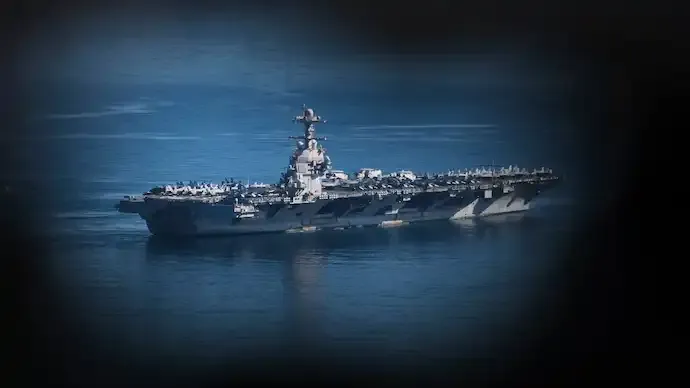
As tensions escalate following US–Israeli strikes on Iran, the USS Gerald R. Ford, the world’s largest aircraft carrier, has reportedly been positioned near Israel’s coast, close to the port city of Haifa. Military analysts say the deployment is intended to serve as a defensive shield amid anticipated Iranian retaliation.
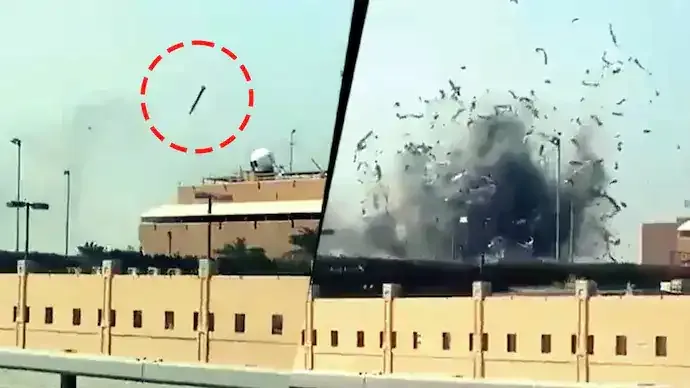
Tehran has already launched counterstrikes targeting US-linked assets in Bahrain, Kuwait and the UAE. Reports of explosions in parts of the Gulf region have heightened fears of a broader regional conflict.
The USS Gerald R. Ford is the lead ship of the Ford-class carriers and represents the most advanced aircraft carrier platform in the US Navy. Valued at approximately $13.3 billion, it can carry up to 90 aircraft and is equipped with advanced radar and missile defence systems.
Strategic analysts suggest the carrier’s positioning near Israel enhances deterrence and strengthens regional defence coverage. Unlike a carrier positioned for direct offensive operations, its current location indicates a primarily defensive posture.
Independent geopolitical observers have described this as a division of roles within the US Navy’s carrier deployments. While another carrier group may be positioned for strike capabilities elsewhere in the region, the Ford is believed to be reinforcing Israel’s defensive architecture.
Israel operates one of the world’s most sophisticated air defence networks, including:
Iron Dome (short-range rocket interception)
David’s Sling (medium-range threats)
Arrow 2 and Arrow 3 (ballistic missile defence)
Iron Beam (laser-based interception system)
The USS Gerald R. Ford’s Aegis missile defence systems and advanced radar capabilities could complement these layers by detecting and intercepting long-range missile threats before they approach Israeli airspace.
According to regional reports, the presence of the carrier group adds both a psychological and operational layer of protection during heightened hostilities.
Military deployments of this scale often serve multiple purposes — deterrence, reassurance to allies, and signalling to adversaries.
Positioning a US carrier strike group near Israeli waters sends a clear signal that any escalation could draw in direct US military involvement. Analysts note that such deployments are calculated decisions, balancing deterrence with the risk of widening conflict.
The deployment comes amid the reported collapse of diplomatic efforts between Washington and Tehran. Iran had previously signalled openness to economic engagement as a path toward de-escalation, but recent military developments suggest negotiations have stalled.
The Gulf region has seen airspace closures and elevated military readiness following the strikes. While no official confirmation has indicated an expanded theatre of war, the rapid escalation has placed expatriate communities and global markets on alert.
The USS Gerald R. Ford’s presence off Israel’s coast underscores the seriousness of the moment. Whether it remains purely a defensive shield or becomes part of a broader engagement strategy will depend on how events unfold in the coming days.
For now, the carrier stands as both a military asset and a geopolitical signal — reinforcing Israel’s defence while reshaping the strategic balance in an already volatile region.
115
Published: Feb 28, 2026

All India Story is your trusted source for comprehensive and up-to-the-minute news coverage across India. Bringing you the latest on politics, business, technology, entertainment, sports, and more, we are dedicated to keeping you informed with accurate, engaging, and insightful stories from every corner of the nation.