
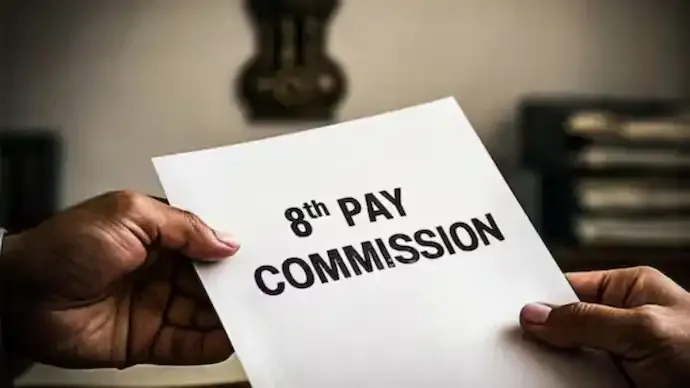
The 8th Pay Commission is expected to play a crucial role in determining the future salaries of millions of Central government employees and pensioners. While discussions around the fitment factor and Dearness Allowance (DA) continue, another major issue has emerged—the demand to significantly increase the minimum basic salary.
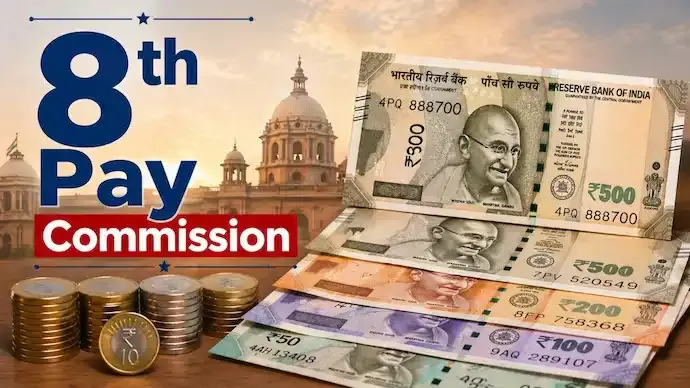
Employee unions are pushing for a revision from the current Rs 18,000 to anywhere between Rs 55,000 and Rs 69,000, arguing that the existing pay structure no longer reflects today's cost of living.
Featured Snippet
Employee organisations have urged the 8th Pay Commission to increase the minimum basic salary from Rs 18,000 to as much as Rs 69,000, citing inflation, rising household expenses and the need for a fair living wage. The Commission is yet to make any recommendations.
Key Highlights
- The current minimum basic pay is Rs 18,000.
- Employee unions are seeking an increase to Rs 55,000–Rs 69,000.
- Inflation and higher living costs are central to the demand.
- The 8th Pay Commission has not yet announced its recommendations.
- Any revision will impact millions of Central government employees and pensioners.
Why Is the Minimum Salary Being Debated?
The existing minimum basic salary of Rs 18,000 was introduced under the 7th Pay Commission nearly a decade ago.
Employee associations argue that:
- Inflation has significantly increased.
- Household expenses have risen sharply.
- The current salary no longer supports a reasonable standard of living.
- A revised pay structure is needed to reflect present-day economic realities.
These concerns have made the minimum salary one of the key issues before the 8th Pay Commission.
Why Are Some Unions Demanding Rs 69,000?
Different employee organisations have used different methods to estimate what they believe should be the new minimum salary.
Their calculations take into account:
- Rising food prices.
- Housing expenses.
- Education costs.
- Healthcare expenditure.
- Transportation.
- Overall inflation.
Depending on the methodology used, proposals range from Rs 55,000 to nearly Rs 69,000.
These figures are demands by employee organisations, not official government proposals.
What Will the 8th Pay Commission Consider?
Before making recommendations, the Commission is expected to balance several factors, including:
- Inflation trends.
- Government finances.
- Salary structures across departments.
- Employee welfare.
- Long-term fiscal sustainability.
The Commission has already begun collecting salary and allowance data from ministries and government departments to support its assessment.
Will the Minimum Salary Become Rs 69,000?
At present, there is no official confirmation that the minimum salary will be increased to Rs 69,000.
The figure represents one of several proposals submitted by employee organisations.
The final recommendation could be:
- Lower than the demand.
- Higher than the current salary.
- Based on a revised fitment factor and other financial considerations.
The government will take a final decision only after the Commission submits its recommendations.
Why This Matters
Any increase in the minimum basic salary could affect:
- Central government employees.
- Pensioners.
- Dearness Allowance calculations.
- Other salary-linked allowances.
- Overall government expenditure.
The decision is therefore expected to have wide financial implications.
Conclusion
The debate over raising the minimum basic salary has become one of the most closely watched aspects of the 8th Pay Commission. While employee unions argue that a significant revision is necessary to keep pace with inflation and living costs, the Commission must also consider fiscal realities before making its recommendations. Until then, figures such as Rs 55,000 or Rs 69,000 remain proposals rather than confirmed outcomes.
FAQs
1. What is the current minimum basic salary?
The current minimum basic pay for Central government employees is Rs 18,000.
2. Why are employee unions demanding a higher salary?
They argue that inflation and rising living costs have made the current salary inadequate.
3. Has the government approved Rs 69,000 as the new minimum salary?
No. It is a proposal from employee organisations, not an official decision.
4. What is the proposed salary range?
Different organisations have suggested figures ranging from Rs 55,000 to nearly Rs 69,000.
5. Who will decide the final salary revision?
The 8th Pay Commission will submit recommendations, after which the government will take a final decision.
6. Who will benefit from the revised pay structure?
Any approved revision would primarily affect Central government employees and could also impact pensioners.
Conversation
Be kind and stay on topic. Comments are moderated; abuse, spam and personal attacks are removed. Report a problem