

France is preparing for its third major heatwave of 2026, just days after an intense spell of extreme temperatures reportedly claimed around 1,000 lives, according to local media reports. The renewed weather warning has also intensified political tensions, with the government's response coming under scrutiny.
The latest developments have reignited the wider debate over climate change and Europe's growing vulnerability to extreme weather events.
Featured Snippet
France is expected to experience its third heatwave of 2026 after a deadly period of extreme temperatures reportedly caused around 1,000 deaths. The crisis has triggered political controversy and renewed discussion over climate resilience across Europe.
Key Highlights
- France is expecting its third heatwave of 2026.
- Local media reports say around 1,000 people died during the recent heatwave.
- Temperatures are forecast to exceed 35°C.
- The government's response has become the subject of political criticism.
- The crisis has intensified Europe's climate change debate.
France Faces Another Heatwave
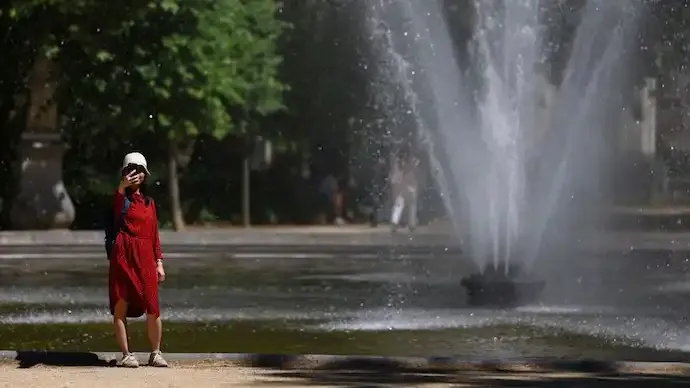
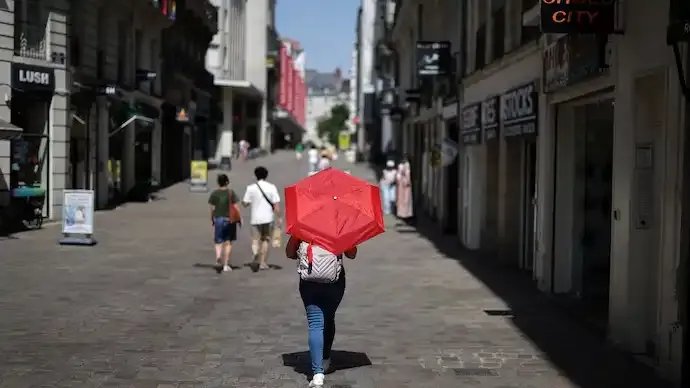
Meteorological forecasts indicate that temperatures in several parts of France are likely to rise above 35°C once again during the coming days.
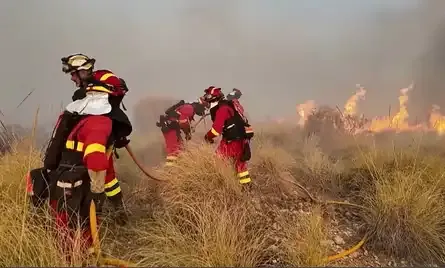
The renewed heatwave follows one of the country's hottest periods of the year, placing additional pressure on public health systems and emergency services.
Authorities are expected to monitor vulnerable populations closely as temperatures climb.
Reports of Heavy Loss of Life
According to local media reports, the previous heatwave resulted in approximately 1,000 deaths.
Extreme heat poses heightened risks for:
- Older adults.
- Young children.
- People with chronic illnesses.
- Outdoor workers.
- Individuals without adequate cooling or hydration.
Health officials continue to urge the public to take precautions during periods of intense heat.
Political Pressure Mounts
The government's handling of the heatwave has become a political issue, with criticism over emergency preparedness and crisis management.
The situation has contributed to calls for greater accountability, including a no-confidence motion linked to the government's response.
The developments have added political pressure at a time when France is already facing multiple domestic challenges.
Climate Change Debate Intensifies
Scientists have repeatedly warned that climate change is increasing the frequency and intensity of heatwaves across Europe.
The latest events have renewed discussions about:
- Climate adaptation.
- Public health preparedness.
- Urban heat management.
- Emergency response planning.
- Long-term environmental policies.
The recurring heatwaves are being viewed as another reminder of the growing impact of global warming.
What Happens Next?
Authorities are expected to continue issuing weather advisories while monitoring conditions across affected regions.
Residents have been encouraged to:
- Stay hydrated.
- Avoid prolonged exposure to the sun.
- Follow official weather updates.
- Check on elderly family members and neighbours.
- Seek medical attention if heat-related symptoms develop.
Conclusion
France's third expected heatwave of 2026 highlights the growing challenges posed by extreme weather. Alongside concerns over public health, the crisis has intensified political debate and renewed calls for stronger climate resilience measures as Europe continues to confront increasingly frequent heat extremes.
FAQs
1. Why is France in the news?
The country is preparing for its third major heatwave of 2026.
2. How severe was the previous heatwave?
Local media reports indicate that around 1,000 people died during the recent extreme heat event.
3. How hot is it expected to get?
Temperatures are forecast to exceed 35°C in several areas.
4. Why is the government facing criticism?
Its handling of the heatwave response has become the subject of political debate.
5. Why are heatwaves becoming more frequent?
Scientists say climate change is increasing the likelihood and intensity of extreme heat events.
6. What precautions should people take during a heatwave?
Stay hydrated, avoid direct sunlight during peak hours, monitor weather advisories and protect vulnerable individuals.



Conversation
Be kind and stay on topic. Comments are moderated; abuse, spam and personal attacks are removed. Report a problem