
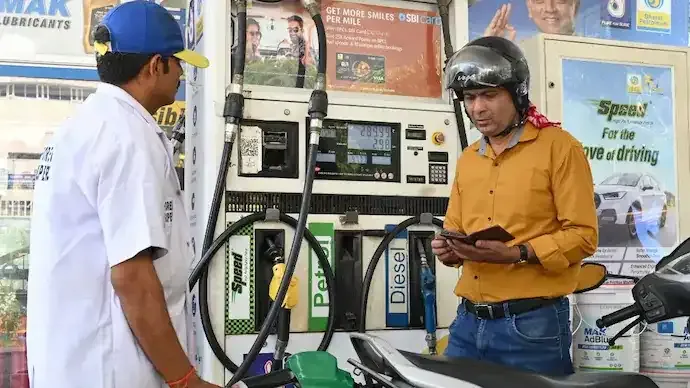
India's concerns over a potential energy crisis appear to be easing as crude oil prices retreat, fuel prices soften and supply conditions improve following recent tensions in West Asia.
The reopening of the Strait of Hormuz, lower global crude prices and fresh price cuts by Nayara Energy have helped improve the outlook, although analysts caution that global energy markets remain vulnerable to geopolitical developments.
Featured Snippet
India's fuel situation is improving as crude oil prices decline, commercial LPG becomes cheaper and supply concerns ease after disruptions linked to the West Asia conflict. However, global oil markets remain sensitive to geopolitical risks.
Key Highlights
- Crude oil prices have declined in recent weeks.
- Fuel prices have started easing across parts of India.
- Nayara Energy has reduced petrol and diesel prices.
- Commercial LPG prices have also been lowered.
- Energy markets remain vulnerable to global geopolitical tensions.
Why India Faced Energy Concerns
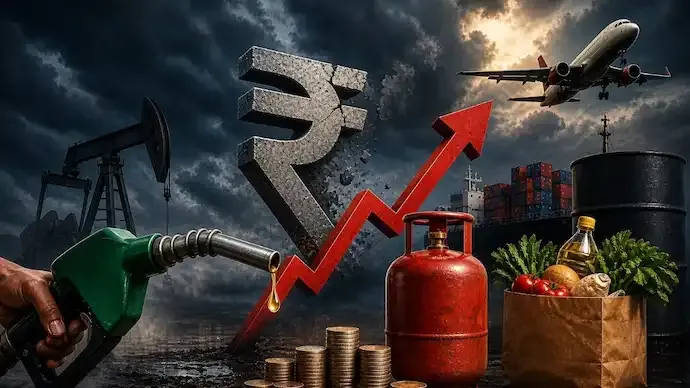
In recent weeks, fears of escalating conflict in West Asia raised concerns about disruptions to crude oil shipments through the Strait of Hormuz—one of the world's busiest energy trade routes.
The uncertainty led to:
- Panic buying at some fuel stations.
- Higher demand for LPG cylinders.
- Supply concerns among businesses.
- Government assurances over fuel availability.
Since India imports a significant portion of its crude oil requirements, any disruption to global supplies can directly affect domestic fuel prices.
What's Changing Now?
The situation has improved due to several positive developments:
Crude Oil Prices Are Falling
International crude prices have retreated as concerns over major supply disruptions eased following the reopening of key shipping routes.
Lower crude prices generally reduce the cost of imported oil for India.
Fuel Prices Are Softening
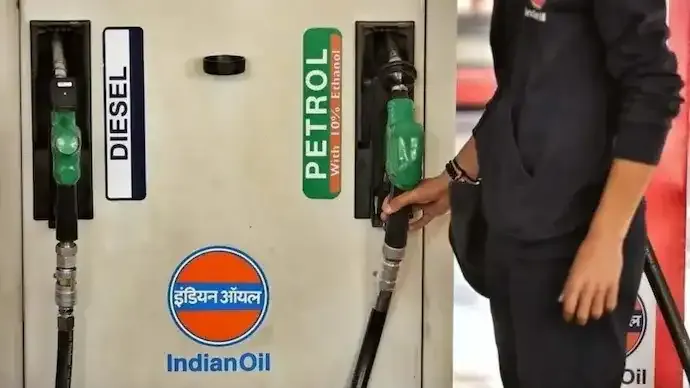
Nayara Energy has announced reductions in petrol and diesel prices, providing relief to consumers in areas served by its retail outlets.
Commercial LPG Becomes Cheaper
Businesses using commercial LPG cylinders are also benefiting from lower prices, helping reduce operating costs for restaurants, hotels and other commercial establishments.
Why the Strait of Hormuz Matters
The Strait of Hormuz is one of the world's most strategically important maritime routes for crude oil transportation.
Any disruption in this narrow shipping channel can:
- Push global oil prices higher.
- Increase transportation costs.
- Affect fuel prices worldwide.
- Raise inflationary pressures in oil-importing countries like India.
Its continued operation has helped calm global energy markets.
Is the Crisis Completely Over?
Not necessarily.
While current indicators point towards improving supply conditions, experts warn that:
- Geopolitical tensions can escalate quickly.
- Oil prices remain volatile.
- Global supply chains are still vulnerable.
- Fresh disruptions could reverse recent gains.
Consumers may continue to see fluctuations in fuel prices depending on developments in international markets.
What It Means for India
If crude oil prices remain stable, India could benefit through:
- Lower fuel prices.
- Reduced inflationary pressure.
- Lower transportation costs.
- Improved business confidence.
- Relief for households and commercial users.
However, policymakers are expected to continue monitoring international developments closely.
Conclusion
India's immediate energy concerns have eased considerably as global crude prices fall and domestic fuel costs begin to soften. While the outlook is more positive than it was just weeks ago, the country's dependence on imported crude means that international geopolitical developments will continue to play a crucial role in determining future fuel prices.
FAQs
1. Why were fuel prices rising in India?
Concerns over disruptions to crude oil supplies during the West Asia conflict pushed global oil prices higher.
2. Why are prices easing now?
Crude oil prices have declined, supply conditions have improved and key shipping routes remain open.
3. What role does the Strait of Hormuz play?
It is a major global oil shipping route through which a large share of the world's crude oil passes.
4. Has commercial LPG become cheaper?
Yes. Commercial LPG prices have recently been reduced.
5. What is Nayara Energy's role?
The company has lowered petrol and diesel prices at its retail outlets.
6. Could fuel prices rise again?
Yes. Oil prices remain influenced by global geopolitical developments and market conditions.


Conversation
Be kind and stay on topic. Comments are moderated; abuse, spam and personal attacks are removed. Report a problem