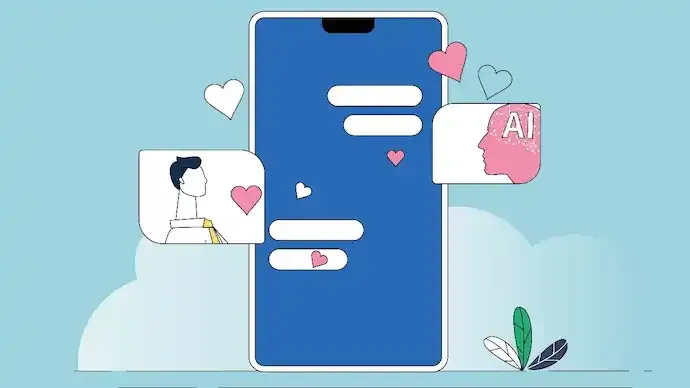
Artificial intelligence is no longer limited to workplaces or productivity tools. Its influence has now extended into deeply personal areas of human life, including relationships, emotions, and intimacy.
With AI chatbots and virtual companions becoming more advanced, many individuals are forming emotional connections with these digital systems, leading to the emergence of new behavioral trends.
What Is ‘AI-Sexual’ Trend?
A new term, “AI-sexual,” has recently gained attention online. It refers to individuals who are open to exploring emotional or intimate interactions with artificial intelligence, such as AI chatbots or virtual agents.
According to a survey conducted by Joi AI, around 55 percent of digitally active adults, particularly from Gen Z and Millennials, identify with this concept.
The term reflects a growing curiosity about how technology can influence human connection and personal experiences.
Is It a Real Identity or Just a Trend?
The idea of “AI-sexual” has sparked debate among experts and the public. Some believe it represents a new form of identity shaped by digital evolution, while others argue that it is more of a behavioral trend rather than a recognized sexual orientation.
Unlike traditional orientations, which are based on human relationships, this concept is centered around interaction with technology, making it a unique and controversial topic.
Changing Nature of Relationships
AI is gradually reshaping how people perceive relationships. Virtual companions can provide conversation, emotional support, and personalized interaction, which may appeal to individuals seeking connection without traditional complexities.
This shift raises important questions about how technology might redefine companionship and emotional bonding in the future.
Concerns Around Emotional Dependence
While AI-driven interactions offer convenience and accessibility, experts have raised concerns about emotional dependence. Relying heavily on AI for companionship may affect real-life social interactions and relationship-building skills.
There are also questions about privacy, data usage, and the ethical implications of forming close connections with artificial systems.
Impact on Modern Dating Culture
The rise of AI in personal spaces is also influencing dating culture. Some individuals are turning to AI platforms for companionship, advice, or even simulated relationships.
This trend highlights how digital tools are transforming traditional dating patterns and creating new forms of interaction.
Debate on Social and Cultural Acceptance
The concept of “AI-sexual” is still in its early stages and has not been widely recognized as a formal identity. It continues to generate mixed reactions, with some viewing it as a natural evolution of human-technology interaction, while others remain skeptical.
The discussion reflects broader societal questions about how far technology should integrate into human lives.
Future of Human-AI Interaction
As AI continues to evolve, its role in personal and emotional spaces is expected to grow. Whether “AI-sexual” becomes widely accepted or remains a niche concept will depend on how society adapts to these changes.
For now, it represents a significant shift in how people engage with technology, highlighting the blurred lines between digital tools and human experiences.
Prev Article
Castor Oil Belly Patch Trend: Does It Really Work or Just Hype?
Next Article
Finland Free Trip: Apply for All Expenses Paid Vacation