

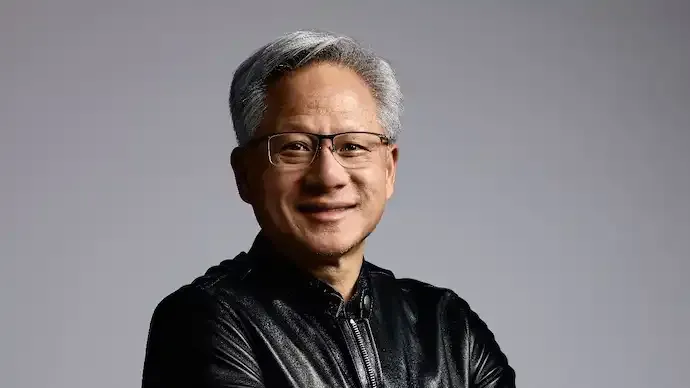

The global job market is undergoing a major transformation as artificial intelligence becomes central to how companies evaluate talent. Jensen Huang, CEO of NVIDIA, has made it clear that AI skills are now more valuable than traditional qualifications in hiring decisions.
AI Skills Over Degrees
In a recent conversation with Lex Fridman, Huang shared a strong perspective on the future of hiring. He stated that if given a choice between two candidates, he would prefer the one who is skilled in using AI tools.
This marks a clear shift from conventional hiring criteria such as academic degrees, grades, or internships. Instead, companies are now focusing on practical skills—especially the ability to effectively use artificial intelligence in real-world scenarios.

According to Huang, AI literacy is quickly becoming a basic requirement rather than a specialised skill.
AI Becomes a Universal Skill
Huang emphasised that AI is not limited to tech professionals. He believes that everyone—from farmers to teachers—should understand how to use AI tools in their daily work.
This reflects a broader trend where AI is being integrated across industries, including agriculture, education, healthcare, and business operations. As a result, individuals who can leverage AI to improve productivity and decision-making are gaining a competitive edge.
Changing Nature of Jobs
The rise of AI is not just influencing hiring decisions—it is reshaping entire job roles. Tasks that were once manual or time-consuming are now being automated, allowing workers to focus on more strategic and creative aspects of their roles.
This shift is creating demand for individuals who can:
- Work alongside AI tools
- Analyse and interpret AI-generated insights
- Use automation to improve efficiency
Rather than replacing jobs entirely, AI is redefining what those jobs look like.
Why Companies Prefer AI-Ready Candidates
Businesses are increasingly looking for candidates who can adapt to fast-changing technologies. Hiring someone with AI skills means:
- Faster onboarding and productivity
- Better use of modern tools
- Higher innovation potential
Huang’s statement highlights a growing reality: companies value adaptability and tech-awareness more than static qualifications.
The Future of Work is Skill-Driven
The message from industry leaders is clear—learning AI is no longer optional. As artificial intelligence continues to evolve, those who invest in developing AI skills will have better career opportunities.
This shift also signals a move towards a more skill-based economy, where continuous learning and upskilling play a crucial role in professional growth.
For job seekers, the focus is now on staying relevant by understanding and using AI tools effectively, regardless of their field.








Conversation
Be kind and stay on topic. Comments are moderated; abuse, spam and personal attacks are removed. Report a problem