

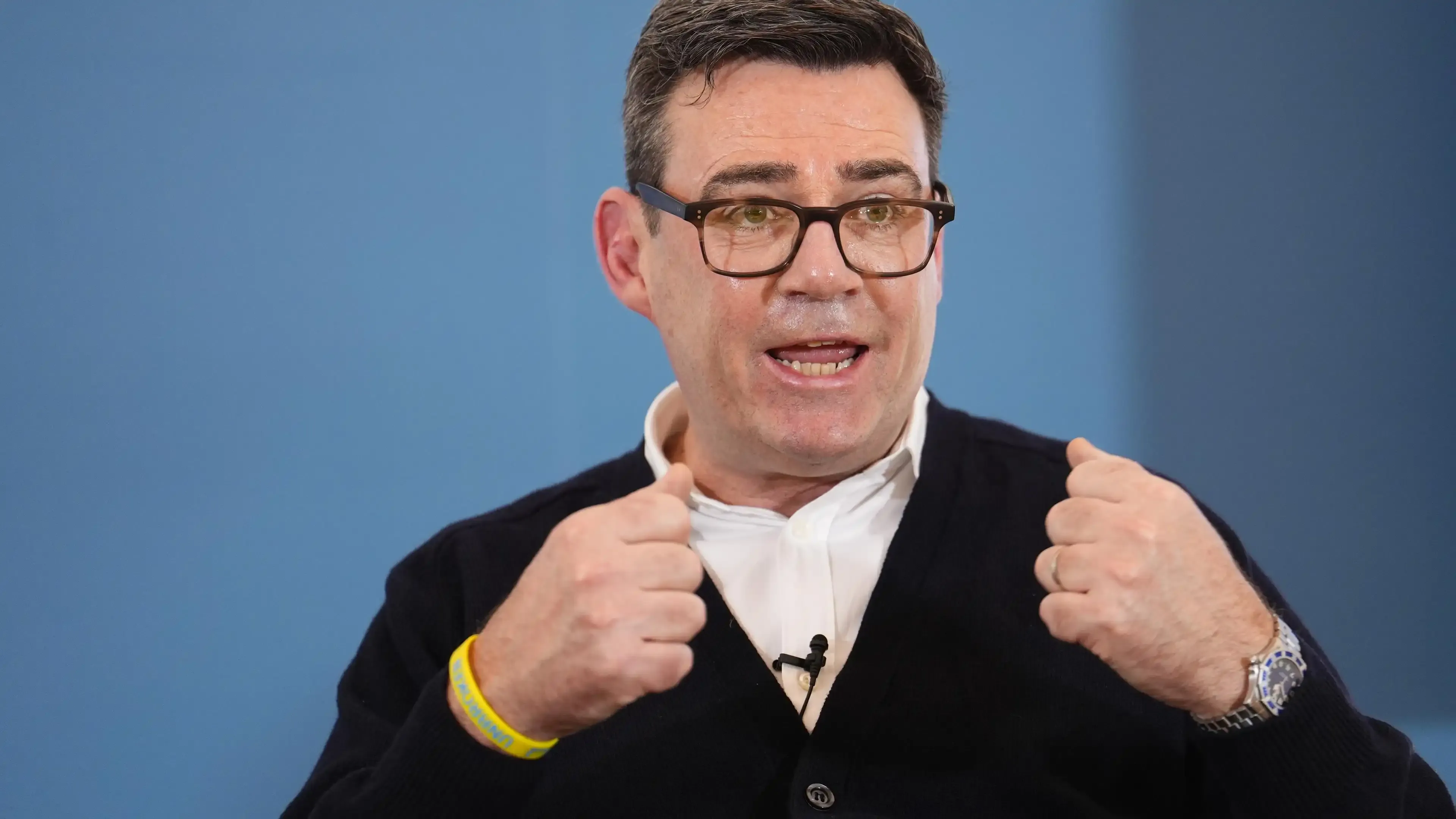

Andy Burnham officially became the Prime Minister of the United Kingdom on Monday after succeeding Keir Starmer as leader of the governing Labour Party.
His appointment marks another leadership transition in British politics, making Burnham the seventh UK Prime Minister since 2016. As he takes office, Burnham has pledged to restore political stability, improve living standards and rebuild public confidence in government.
Formal Transition of Power
The change in leadership followed the established constitutional process in the United Kingdom.

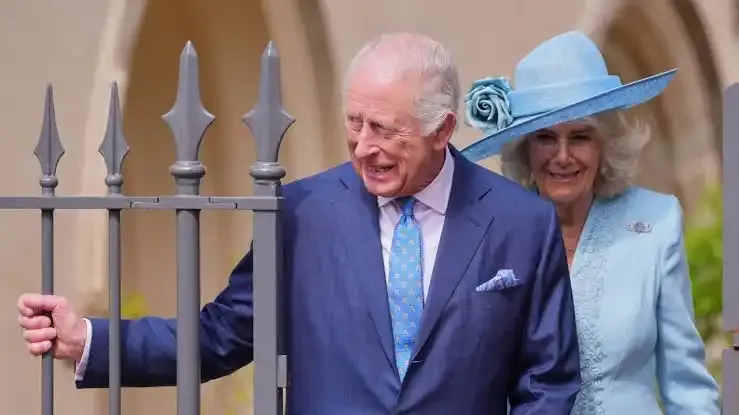
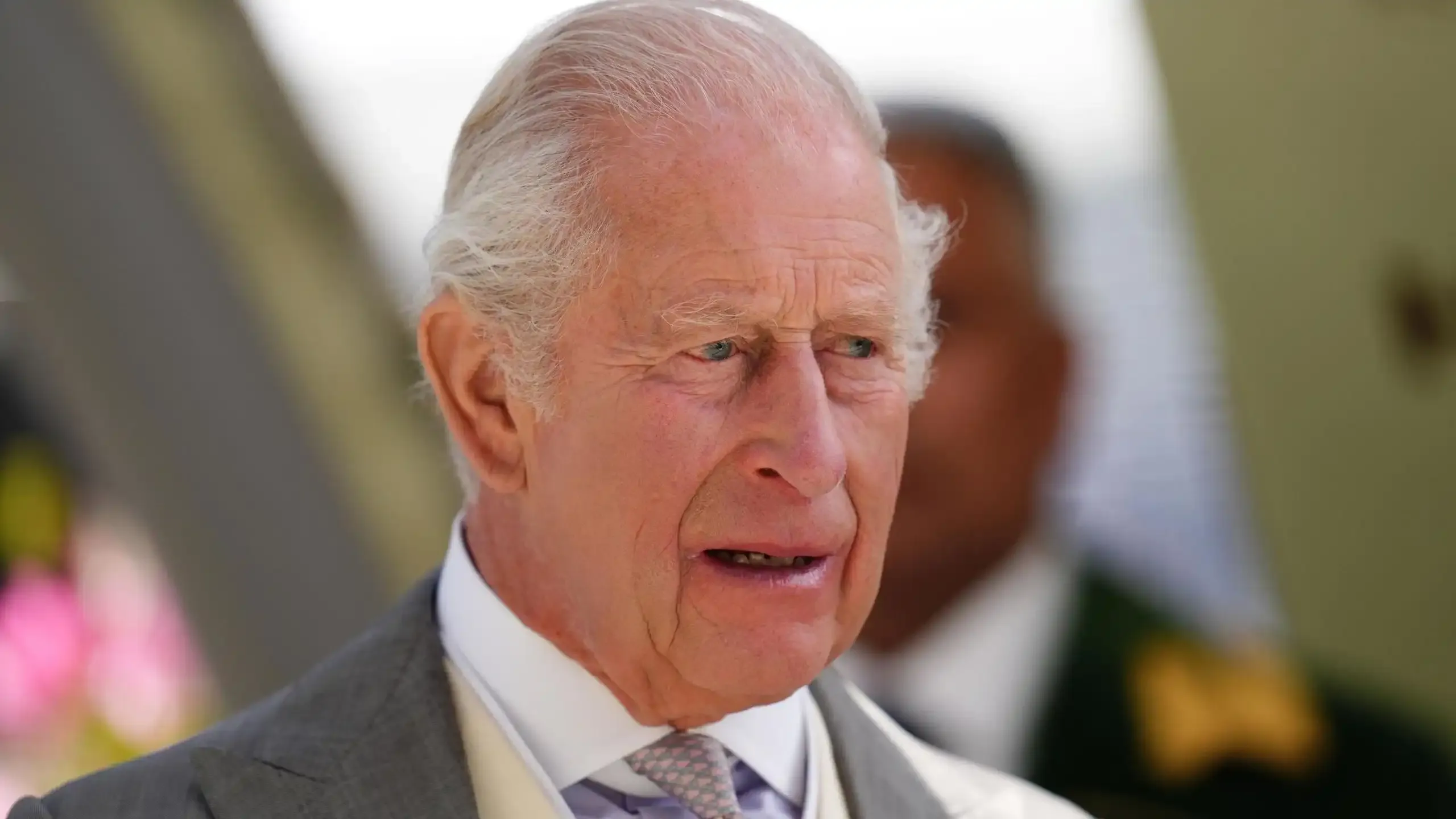
Outgoing Prime Minister Keir Starmer travelled to Buckingham Palace to formally tender his resignation to King Charles III.
Following Starmer's resignation, Burnham met the King, who invited him to form a new government in the traditional ceremony known as "kissing hands."
Despite its historic name, the modern ceremony does not involve any physical hand-kissing and serves as the formal appointment of the new Prime Minister.
After the ceremony, Burnham returned to 10 Downing Street, where he delivered his first address as Britain's new leader.
Burnham Promises Political Stability
In his first speech, Burnham acknowledged the political uncertainty Britain has experienced over the past decade.
He said he was fully aware of the frequent changes in leadership and promised to bring greater stability to government.
Burnham also pledged to:
- Make politics less divisive.
- Improve living standards.
- Restore optimism across the country.
- Build a more constructive political culture.
He described his leadership as an opportunity to create "a new politics" that responds to the concerns of the British public.
Why Was There No General Election?
Under the UK's parliamentary system, a governing party can replace its leader without holding a nationwide general election.
Since the Labour Party continues to command a majority in the House of Commons, Burnham automatically became Prime Minister after winning the party's leadership contest.
The next general election is not required until 2029, although the Prime Minister has the authority to call an earlier election.
Keir Starmer's Departure
Keir Starmer announced his resignation last month following what he described as political missteps and errors of judgment that weakened confidence in his leadership.
During his final appearance at Prime Minister's Questions, Starmer defended his government's record, highlighting achievements such as:
- Continued support for Ukraine.
- Stronger protections for workers.
- Measures aimed at reducing child poverty.
- Increased defence spending.
- Legislation designed to improve public accountability after national tragedies.
Starmer said he was proud to leave the country in a stronger position than when he took office.
Cabinet Appointments in Focus
Attention is now turning to Burnham's first major decisions as Prime Minister.
He is expected to announce changes to key Cabinet positions, including:
- Chancellor (Treasury chief)
- Foreign Secretary
- Home Secretary
Although Burnham has indicated that changes are likely, he has not yet confirmed the final composition of his government.
Economic Growth Remains the Biggest Challenge
Political analysts believe Burnham's success will depend largely on improving Britain's economic performance.
While his promises of stability and political reform have been welcomed by many supporters, experts say delivering stronger economic growth will be the true test of his leadership.
With rising expectations from both the public and his party, Burnham now begins the challenge of translating campaign promises into government policy.
Key Highlights
- Andy Burnham has become the new Prime Minister of the United Kingdom.
- He succeeds Keir Starmer as Labour Party leader.
- Burnham becomes Britain's seventh Prime Minister since 2016.
- He has promised political stability, economic growth and less divisive politics.
- No general election was required under the UK's parliamentary system.
- Cabinet appointments are expected to be announced in the coming days.
FAQs
Who is the new Prime Minister of the UK?
Andy Burnham has become the new Prime Minister after replacing Keir Starmer as Labour Party leader.
Why was there no general election?
Under the UK's parliamentary system, the governing party can change its leader without holding a general election if it maintains a majority in Parliament.
Why did Keir Starmer resign?
Starmer announced his resignation after acknowledging political missteps and declining confidence in his leadership.
What has Andy Burnham promised as Prime Minister?
Burnham has pledged to restore political stability, improve living standards, promote economic growth and make British politics less divisive.
When is the next UK general election?
The next general election is due by 2029, although the Prime Minister can call an earlier election.





Conversation
Be kind and stay on topic. Comments are moderated; abuse, spam and personal attacks are removed. Report a problem