

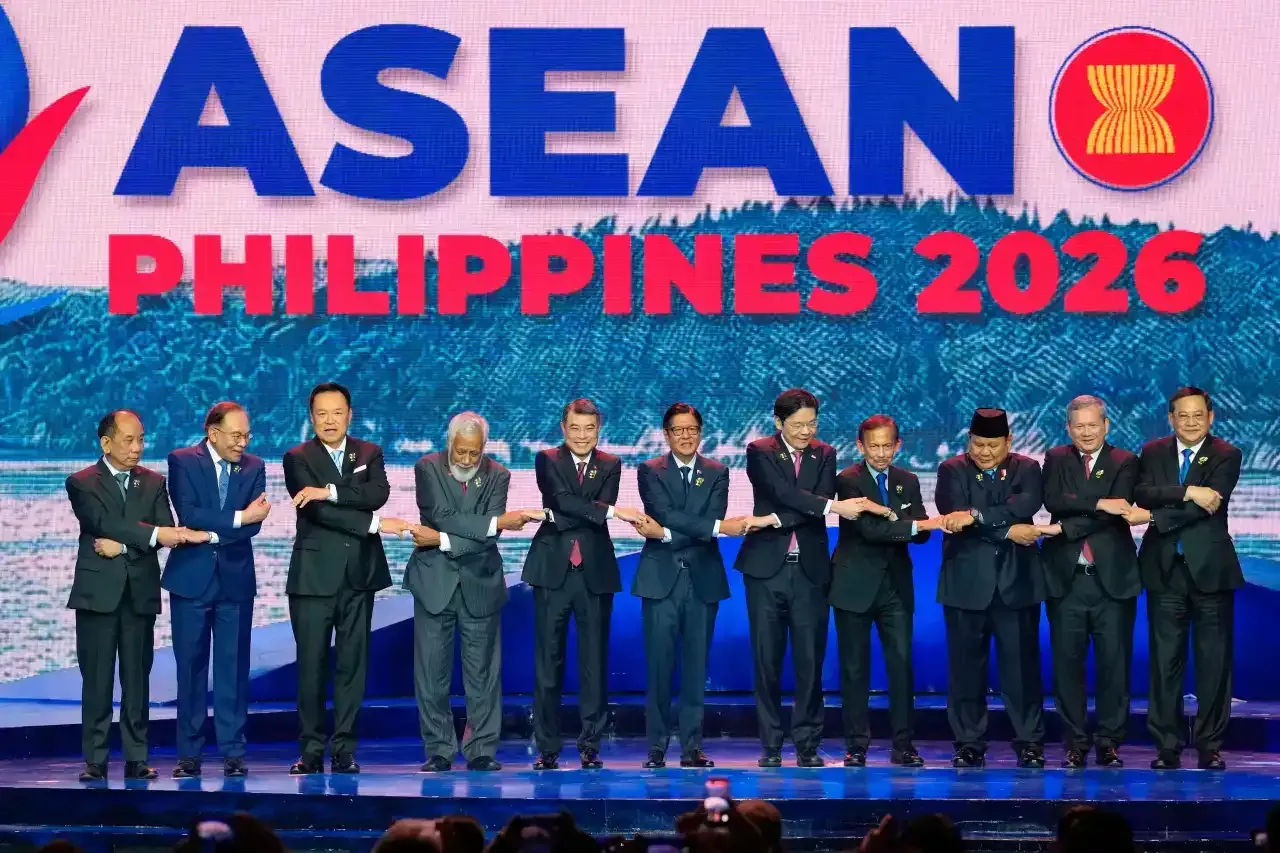

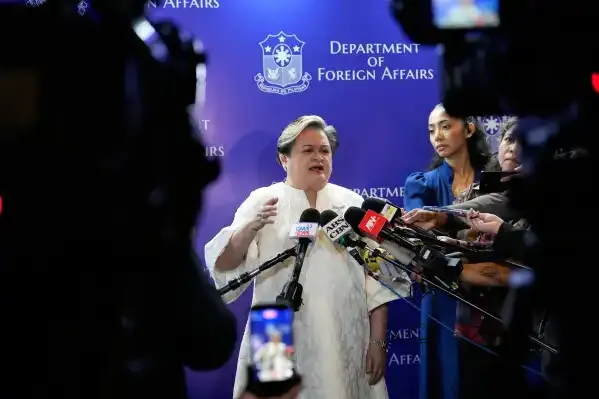
Foreign ministers from the Association of Southeast Asian Nations (ASEAN) are set to meet in Manila, Philippines, this week for their annual summit, with escalating tensions in the Middle East expected to dominate discussions alongside regional security issues.
The three-day gathering will bring together ASEAN member states as well as senior diplomats from major global powers, including the United States, China, Russia and the European Union, amid growing geopolitical uncertainty.
Middle East Conflict Tops the Agenda
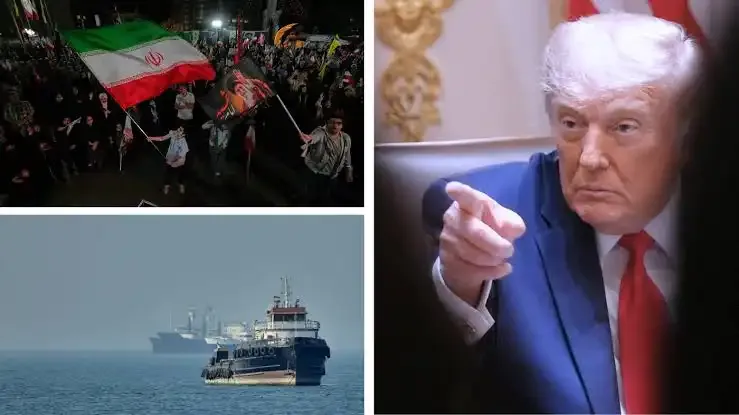
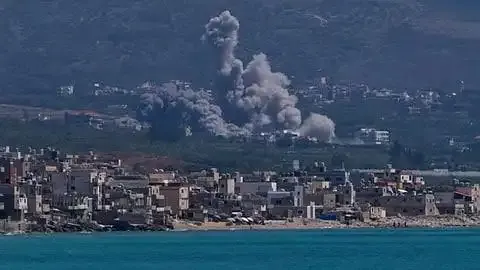
According to diplomatic sources, ASEAN foreign ministers are expected to issue a joint statement expressing concern over the renewed hostilities between the United States and Iran.

The bloc is likely to call on both sides to return to diplomatic negotiations to prevent further escalation and reduce the risk of a wider regional conflict.
The conflict has renewed concerns over disruptions in the Strait of Hormuz, a critical global shipping route through which around 20% of the world's oil supply passes.
For Southeast Asian economies that rely heavily on imported energy from the Middle East, prolonged instability could lead to higher fuel prices, inflation and supply chain disruptions.
Energy Security a Major Concern
The ongoing conflict has intensified worries over energy security across Southeast Asia.
Countries in the region remain heavily dependent on oil and gas imports from the Middle East, making them particularly vulnerable to supply disruptions.
Earlier this year, Philippine President Ferdinand Marcos Jr. declared a national energy emergency to ensure adequate supplies of fuel and essential commodities amid rising geopolitical tensions.
Top Global Diplomats to Attend
Several high-profile leaders are expected to participate in the Manila meetings, including:
- US Secretary of State Marco Rubio
- Chinese Foreign Minister Wang Yi
- Russian Foreign Minister Sergey Lavrov
Ukrainian Foreign Minister Andrii Sybiha has also been invited to attend a separate ceremony commemorating ASEAN's 1976 Treaty of Amity and Cooperation, although he will not participate in the main ministerial meetings.
No official meetings have been announced between Rubio, Lavrov and Sybiha during the summit.
Quad Meeting Expected on the Sidelines
On the sidelines of the ASEAN summit, Marco Rubio is expected to participate in a meeting of the Quad, comprising:
- India
- United States
- Japan
- Australia
The grouping plays an important role in promoting a free and open Indo-Pacific and has frequently been criticised by China, which views it as an effort to contain Beijing's growing regional influence.
Myanmar Crisis Remains a Key Challenge
Beyond global conflicts, ASEAN leaders are also expected to review the worsening crisis in Myanmar.
Since the military seized power in 2021, the country has witnessed prolonged violence and political instability.
ASEAN's Five-Point Consensus, introduced to restore peace through dialogue, has produced limited progress as Myanmar's military leadership has largely failed to implement the agreed roadmap.
As a result, Myanmar's senior military-backed leadership continues to be excluded from ASEAN's highest-level meetings.
Earlier this month, ASEAN representatives held discussions with Myanmar's foreign minister in Thailand in an effort to encourage dialogue and reduce violence.
While the meeting drew criticism from some human rights organisations, ASEAN officials maintained that engagement with all stakeholders remains necessary to achieve a peaceful resolution.
South China Sea Disputes Also Under Spotlight
The summit is also expected to focus on long-running territorial disputes in the South China Sea.
ASEAN foreign ministers will hold talks with Chinese Foreign Minister Wang Yi regarding negotiations on a proposed Code of Conduct, aimed at preventing further tensions in the strategically important waterway.
The disputes involve competing territorial claims by:
- China
- Taiwan
- Brunei
- Malaysia
- The Philippines
- Vietnam
Recent years have seen an increase in confrontations, particularly between Chinese and Philippine maritime forces.
A Critical Summit for Regional Stability
With conflicts intensifying both inside and outside Southeast Asia, the Manila summit is expected to serve as an important platform for diplomatic engagement.
From the Middle East and Myanmar to the South China Sea and Indo-Pacific security, ASEAN leaders face mounting pressure to demonstrate unity while balancing relations with competing global powers.
Key Highlights
- ASEAN foreign ministers are meeting in Manila for their annual summit.
- The bloc is expected to express concern over escalating US-Iran hostilities.
- Energy security remains a major concern due to potential disruptions in the Strait of Hormuz.
- US Secretary of State Marco Rubio, China's Wang Yi and Russia's Sergey Lavrov will attend.
- The Myanmar crisis and South China Sea disputes are also key agenda items.
- Rubio is expected to participate in a Quad meeting during the summit.
FAQs
Why is the ASEAN summit in Manila important?
The summit brings together Southeast Asian leaders and major global powers to discuss regional security, diplomacy and international conflicts.
What will ASEAN say about the Middle East conflict?
ASEAN foreign ministers are expected to express concern over escalating US-Iran tensions and urge both sides to resume diplomatic dialogue.
Why is the Strait of Hormuz significant?
Around 20% of the world's oil supply passes through the Strait of Hormuz, making it a crucial route for global energy trade.
What is the Quad?
The Quad is a strategic partnership involving India, the United States, Japan and Australia that focuses on maintaining a free, open and secure Indo-Pacific region.
What regional issues will ASEAN discuss besides the Middle East?
The summit will also focus on Myanmar's ongoing political crisis, negotiations over the South China Sea and broader Indo-Pacific security concerns.





Conversation
Be kind and stay on topic. Comments are moderated; abuse, spam and personal attacks are removed. Report a problem