

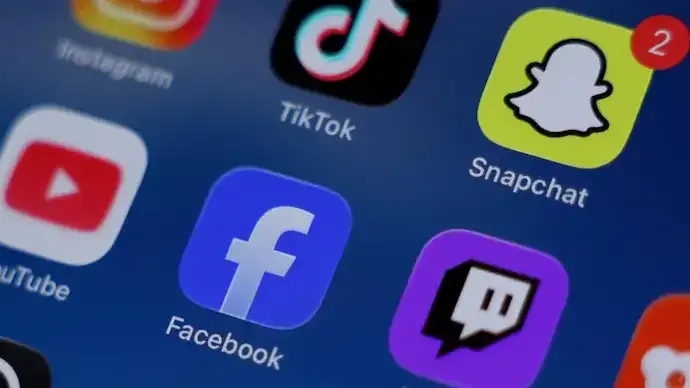

The United Kingdom has announced a nationwide ban on social media access for children under the age of 16, becoming the fourth country after Australia, Indonesia, and Malaysia to adopt such a measure.
Prime Minister Keir Starmer said the decision was necessary to protect children's wellbeing and help young people grow up without excessive digital interference.
The move marks one of the most significant technology regulations introduced by the UK government in recent years.

Why the UK Introduced the Ban
Announcing the policy, Starmer argued that modern technology has become deeply embedded in children's daily lives and can negatively affect their development.
According to the Prime Minister, the government wants to ensure that children are able to enjoy a healthier childhood without the constant pressures associated with social media platforms.
The policy is intended to address concerns related to:
- Mental health
- Online addiction
- Cyberbullying
- Harmful content exposure
- Excessive screen time
The government believes stricter controls are necessary to safeguard young users.
Britain Joins a Growing Global Trend
The United Kingdom now joins a small but growing group of countries that have imposed broad restrictions on social media access for minors.
Countries that have introduced similar measures include:
- Australia
- Indonesia
- Malaysia
Governments worldwide are increasingly debating how to balance technological innovation with child safety and online wellbeing.
Growing Concerns About Children's Mental Health
Research and public discussions in recent years have intensified concerns about the impact of social media on young people.
Critics of unrestricted access argue that social media platforms can contribute to:
- Anxiety
- Depression
- Low self-esteem
- Sleep disruption
- Social pressure
Supporters of stricter regulation believe limiting access during formative years could help reduce these risks.
How the Ban Could Work
While detailed implementation guidelines are expected to be released separately, enforcement is likely to require stronger age-verification systems from social media companies.
Technology firms may need to:
- Verify user ages
- Restrict account creation for under-16s
- Strengthen parental controls
- Improve compliance monitoring
- Introduce identity verification measures
The effectiveness of such systems will be closely watched by regulators and privacy advocates.
Social Media Companies Face New Challenges
The decision places significant responsibility on major technology companies.
Platforms will likely need to adapt their systems to comply with the new regulations while balancing concerns related to:
- User privacy
- Data protection
- Accessibility
- Regulatory compliance
Industry experts expect technology firms to engage closely with UK authorities as implementation progresses.
Supporters Welcome the Move
Many child welfare advocates have praised the government's decision.
Supporters argue that children need greater protection from online risks and that social media companies have not done enough to address harmful content and addictive platform designs.
They believe the ban could help encourage healthier habits and more balanced childhood experiences.
Critics Raise Questions
The policy has also generated debate.
Critics question whether a complete ban is the most effective approach and argue that education, digital literacy, and parental guidance may provide better long-term solutions.
Others have raised concerns about:
- Enforcement challenges
- Privacy implications
- Potential workarounds by teenagers
- Impact on communication and learning
The discussion is expected to continue as the law moves toward implementation.
Global Technology Regulation Continues to Evolve
The UK's decision reflects a broader international trend toward tighter regulation of digital platforms.
Governments around the world are increasingly examining issues such as:
- Online safety
- Artificial intelligence
- Child protection
- Data privacy
- Platform accountability
As technology becomes more integrated into daily life, regulatory frameworks continue to evolve.
A Major Shift in Online Policy
The UK's social media ban for under-16s represents a major shift in how governments approach children's digital experiences.
Whether the policy succeeds will depend on implementation, enforcement, and cooperation between regulators, technology companies, parents, and educators.
For now, Britain has positioned itself among a growing number of countries willing to take strong action in response to concerns about the impact of social media on young people.





Conversation
Be kind and stay on topic. Comments are moderated; abuse, spam and personal attacks are removed. Report a problem