Supreme Court of India has put its November 20 order on the definition of the Aravalli Range on hold, but scientific warnings suggest the crisis facing one of the world’s oldest mountain systems runs far deeper than the current legal debate.
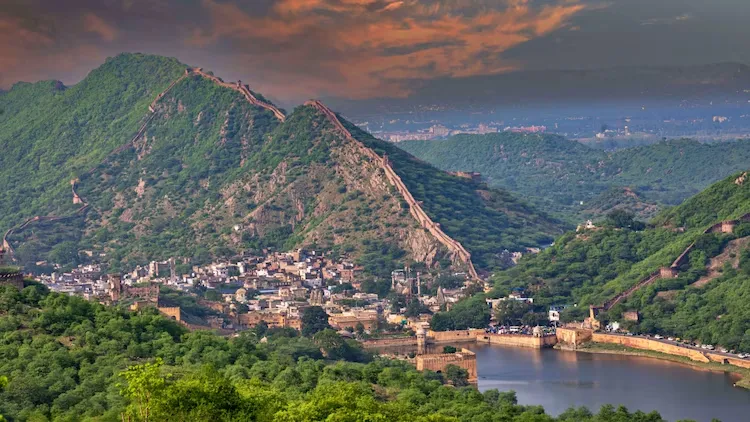
Formed over 2.5 billion years ago, the Aravalli range is on course to lose more than 16,000 square kilometres of forest cover by 2059, driven by unchecked urbanisation, mining and expanding human settlements, according to a long-term scientific study.
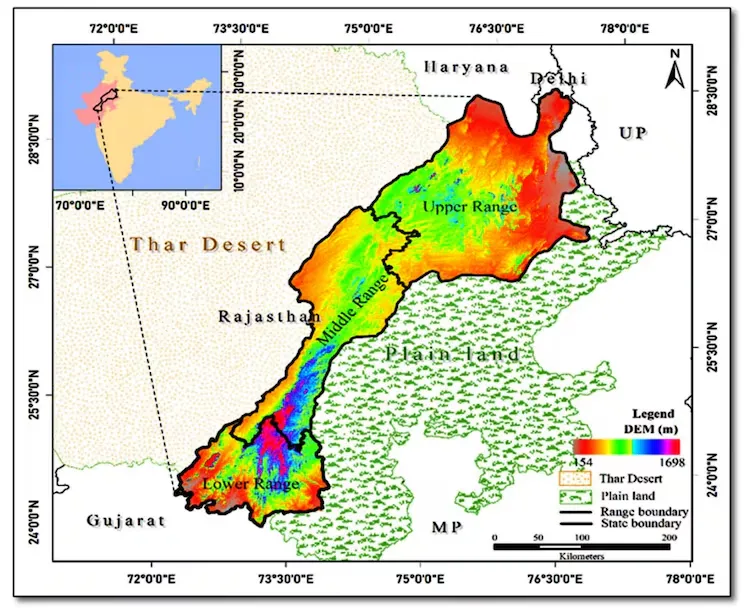
Researchers from the Central University of Rajasthan analysed 44 years of satellite data from 1975 to 2019 using machine-learning land-change models to assess how the landscape has evolved — and where it is heading. Their findings show a steady dismantling of the ecological backbone of north-western India.
Between 1975 and 2019 alone, the Aravallis lost nearly 5,773 sq km of forest, much of it converted into barren land and settlements. Over 3,600 sq km degraded into barren terrain, while close to 800 sq km turned into built-up areas, reflecting a slow but persistent human takeover of forested slopes and valleys.
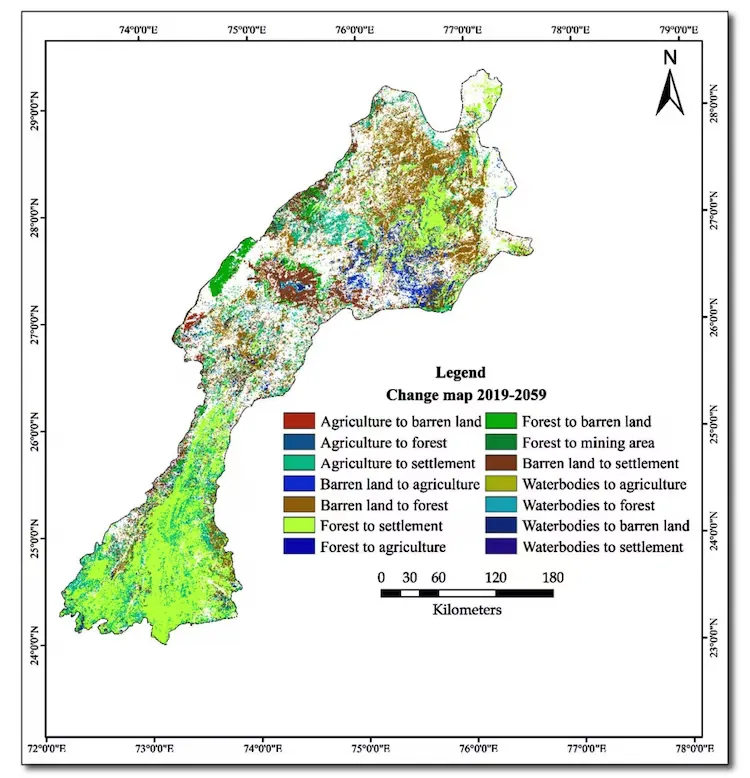
The most alarming projections lie ahead. If current trends continue, more than 21 per cent of the Aravalli’s remaining forest area could be directly converted into settlements by 2059. Urban expansion from Delhi-NCR in the north to Rajasthan’s southern districts, combined with mining belts, highways and infrastructure corridors, is fragmenting what was once a continuous ecological zone.
The study also highlights aggressive transitions from forest to settlement and barren land, signalling intense pressure from real estate development, industrial growth and peri-urban sprawl. While some forest recovery appears in short-term projections, the overall trend points towards long-term decline.
Environmental experts warn that the consequences extend well beyond the hills themselves. The Aravallis act as a natural climate barrier, regulate groundwater recharge, stabilise soil, reduce dust storms and support biodiversity across Rajasthan, Haryana, Delhi and Gujarat. Their degradation threatens regional climate stability, water security and livelihoods.
Land-use change already contributes significantly to global carbon emissions, and the continued loss of Aravalli forests could further weaken local resilience to climate extremes. Researchers stress that policy choices, land-use regulation and conservation efforts over the next four decades will determine whether the Aravallis survive as a living mountain system or fragment into isolated green pockets surrounded by urban sprawl.
The Supreme Court has scheduled the next hearing on the Aravalli matter for January 21, 2026, even as scientific evidence underscores the urgency of coordinated environmental protection and long-term planning.