



The Bharat Taxi app, a government-backed ride-hailing platform, is set to launch in Delhi from January 1, offering commuters an alternative to existing cab aggregation services that often face criticism over steep surge pricing.
The new platform aims to address one of the biggest pain points for urban passengers — unpredictable fare spikes during peak hours. By adopting a transparent and stable pricing model, Bharat Taxi seeks to provide more affordability and reliability compared to private players such as Ola and Uber.
Focus on Fair Pricing and Driver Welfare
Unlike conventional cab aggregators, Bharat Taxi is positioning itself as a passenger-friendly and driver-centric service. One of the app’s standout features is its revenue-sharing model, under which drivers will receive over 80 per cent of the total fare. This is significantly higher than the commissions typically offered by existing platforms.

The model is expected to improve driver earnings, reduce financial pressure, and minimise the need for aggressive surge pricing to compensate for platform commissions.
Strong Driver Response Ahead of Launch
The initiative has already seen strong traction among drivers in the national capital. According to officials, around 56,000 drivers have registered on the Bharat Taxi platform ahead of its official rollout, signalling widespread acceptance within the driver community.
Industry observers believe the higher earnings potential and lower commission structure could attract more drivers in the coming months, strengthening service availability for passengers.
Multiple Transport Options
Bharat Taxi will offer a range of mobility services, including:
-
Auto-rickshaws
-
Cabs
-
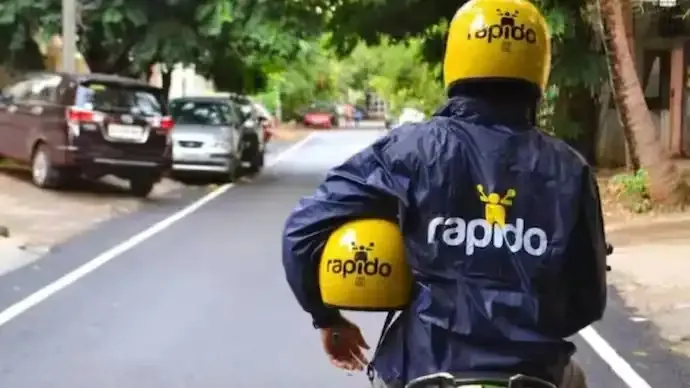
Bike taxis
This multi-modal approach allows users to choose transport options based on distance, cost and convenience, making the platform suitable for daily commuters as well as short-distance travel.
A Government-Backed Alternative in Urban Mobility
Supported by the Government of India, Bharat Taxi is being positioned as a fair and transparent alternative in the urban mobility ecosystem. The initiative aims to balance passenger affordability with driver sustainability, while reducing dependency on private aggregators.
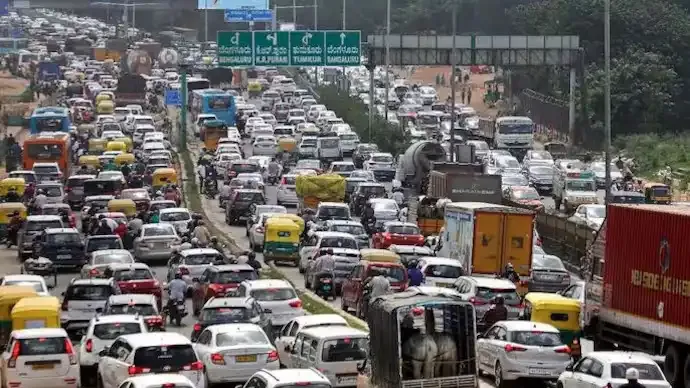
As Delhi continues to grapple with congestion and rising commute costs, the success of Bharat Taxi could influence how public-backed digital platforms shape the future of urban transport in India.




Conversation
Be kind and stay on topic. Comments are moderated; abuse, spam and personal attacks are removed. Report a problem