

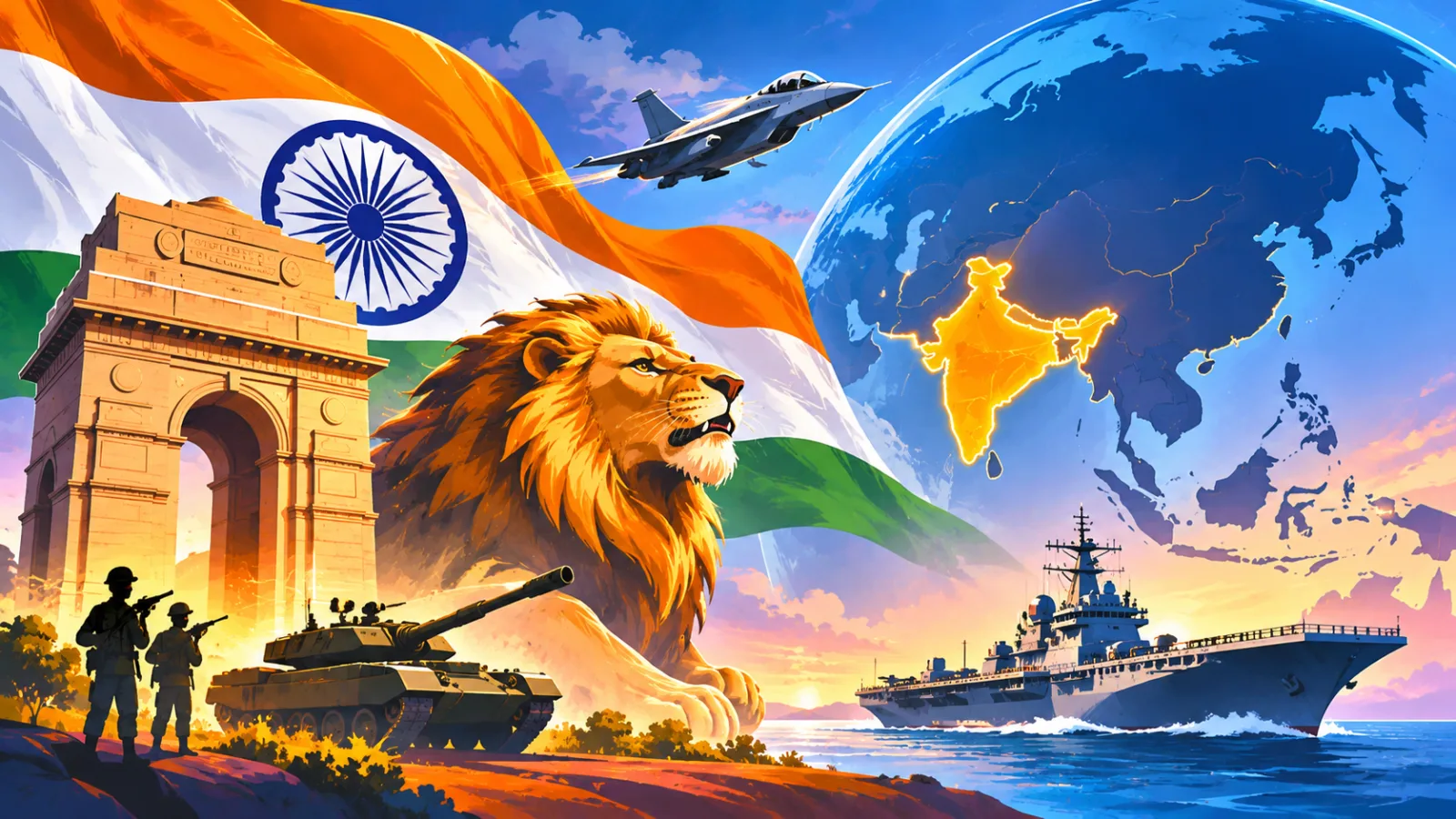

India has strengthened its position in the India Asia Power Index 2026 assessment, ranking as Asia’s second-most powerful country after China and third overall, according to the Lowy Institute’s latest report. India recorded an overall score of 40.5, ahead of Japan’s 38.6, reflecting gains in cultural influence, defence networks and future resources.
The report, however, identifies a gap between India’s available resources and the influence it translates into across the region. While the country has significant economic, military and demographic resources, its comparatively weaker economic relationships and defence networks continue to limit its regional reach.
The United States scored 78.9, followed by China at 73.6. The 5.3-point difference between the two leading powers highlights the close competition at the top of the index.

Cultural influence and defence networks record gains
India registered improvements in Cultural Influence and Defence Networks in 2026. Its Cultural Influence score rose by 2.3 points to 43.8, keeping it fourth in the overall index. The measure considers cultural projection, information flows and people exchanges.
Its Defence Networks score increased by 2.1 points to 18.6, moving India up two places to ninth. The report linked the improvement to greater regional defence engagement and BrahMos missile sales to Southeast Asian countries.
Despite the progress, India continues to trail countries such as Australia, Japan, South Korea and Singapore in defence networks. The findings point to a difference between military capability and the ability to build lasting strategic partnerships.
India ranks third in future resources
India secured third place in Future Resources with a score of 56.2, behind the United States and China. The score increased by 1.2 points during the year.
The measure assesses projected economic and military resources, including future economic capabilities, defence resources and the working-age population. India's demographic profile and long-term economic potential remain important factors in this assessment.
However, the report notes that these resources need to be converted into stronger regional influence through economic ties and strategic partnerships.
Economic capability score declines
India's Economic Capability score fell by 0.7 points to 26.4, although it retained third place behind the United States and China.
The report attributed the decline partly to a weakening rupee, changes in the International Monetary Fund's measurement of economies and an almost $20 billion fall in outbound investment.
The decline indicates that India's performance did not improve across every measure, despite its gains in other areas.
Diplomatic influence and regional leadership
India ranked fourth in Diplomatic Influence with a score of 70.3, recording a marginal decline. The report noted that its diplomatic influence remained relatively stable compared with sharper declines recorded by several countries in the region.
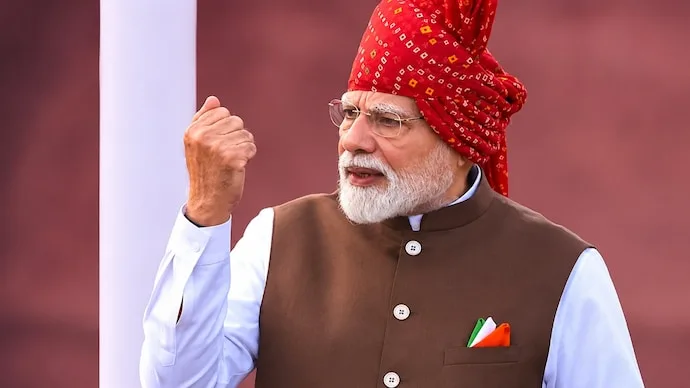
Prime Minister Narendra Modi's regional leadership rating improved by three places to second, behind Chinese President Xi Jinping.
However, the report also highlighted weaker perceptions of India's global leadership and strategic ambition. It linked this partly to India's response during the Gulf conflict, including the sinking of an Iranian naval vessel by a US submarine while the vessel was returning from an exercise hosted by India.
Military capability and resilience remain significant strengths
India ranked fourth in Military Capability with 48.5 points and fourth in Resilience with 55.4 points.
Its Military Capability score improved by 0.5 points, while its Resilience score declined marginally by 0.1 points. The two measures assess conventional military strength and a country's ability to withstand external threats and disruptions.
The rankings underline India's position across military and security-related measures, while also identifying scope to strengthen its regional partnerships.
Power Yield highlights gap between resources and influence
India recorded a Power Yield score of -3.3, indicating that its actual influence remains below the level expected from its available resources. The measure compares a country's resources with the influence it exercises through diplomacy, cultural reach, economic relationships and defence networks.
India's Economic Relationships score stood at 19.9, placing it seventh, while its Defence Networks score of 18.6 placed it ninth.
The report said the gap between India's resources and its actual influence narrowed for the first time since 2023. Its findings suggest that the country's next phase of regional influence will depend on how effectively it converts economic, military and demographic strengths into stronger partnerships and wider engagement.





Conversation
Be kind and stay on topic. Comments are moderated; abuse, spam and personal attacks are removed. Report a problem