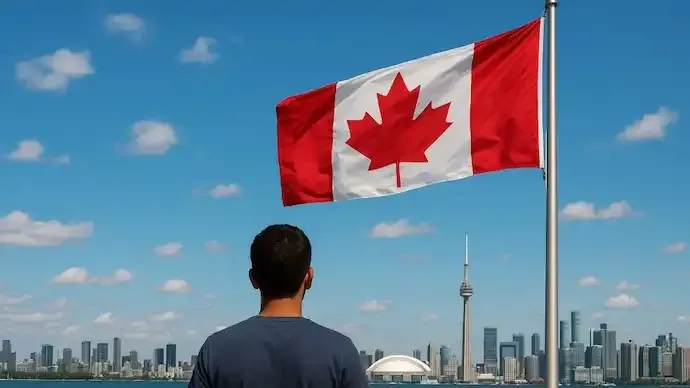

Canada Passes Bill C-3: Major Citizenship Reform to Benefit Thousands of Indian-Origin Families

Canada Passes Bill C-3: Major Citizenship Reform to Benefit Thousands of Indian-Origin Families

Canada has introduced a landmark reform to its citizenship law that is expected to benefit thousands of India-born Canadians and their children living abroad. Bill C-3 — an amendment to the Citizenship Act — has officially received royal assent, marking a major step towards an inclusive, modern, and flexible citizenship framework.

The legislation is designed to correct long-standing gaps that left many families unable to pass on Canadian citizenship to their foreign-born or adopted children. This group, often referred to as “lost Canadians,” includes a large number of Indian-origin households.

Canada’s Immigration Minister Lena Metlege Diab called the reform an overdue step toward fairness. She emphasised that Bill C-3 will restore citizenship to people mistakenly excluded under previous rules, and create clearer, more equitable standards for future generations.

“It will set rules that reflect how modern families live today,” Diab stated. “These changes strengthen and protect the value of Canadian citizenship.”

Although the law has received assent, it will come into force once the federal cabinet sets an official start date. A court ruling has already pushed the deadline to January 2026, ensuring Immigration, Refugees and Citizenship Canada (IRCC) has time to complete administrative requirements.

Why Bill C-3 Was Needed

In 2009, a major change in Canada’s Citizenship Act restricted the ability of Canadians born abroad to pass citizenship to their children unless the children were born in Canada. The rule was widely criticised and was ruled unconstitutional by the Ontario Superior Court in 2023.

The policy created widespread confusion. Many families discovered that their Canadian status could not be passed to their children born outside Canada — a situation that disproportionately affected Indian-origin professionals, students, and global workers living overseas.

What Changes Under the New Law

Bill C-3 expands eligibility for citizenship by descent beyond the first generation. Under the new system:

  • Children born overseas will qualify for citizenship even if their Canadian parent was also born abroad.

  • The parent must demonstrate a “substantial connection” to Canada.

  • This connection is defined as 1,095 cumulative days (three years) of physical presence in Canada before the child’s birth or adoption — the same requirement for naturalisation.

Legal experts say the cumulative nature of the requirement aligns the system with global mobility, allowing Canadians who travel, study or work abroad to still secure citizenship rights for their children.

How Indian-Origin Families Benefit

The reform is expected to significantly help Indian-origin families who maintain close ties to Canada while living abroad for employment, business, military service, or education. Many were previously unable to pass on citizenship to their foreign-born children despite living legally and actively contributing to Canada.

By acknowledging their long-term connection to Canada, the revised Act ensures these families can transmit their identity and rights across generations.

The law now awaits formal implementation, but Ottawa has signalled an intention to move quickly.

Prev Article
Australian Senator Pauline Hanson Sparks Uproar After Wearing Burqa in Parliament to Demand National Ban
Next Article
Peshawar Suicide Attack: Twin Blasts Hit Frontier Corps HQ, Multiple Casualties Reported

Related to this topic: