

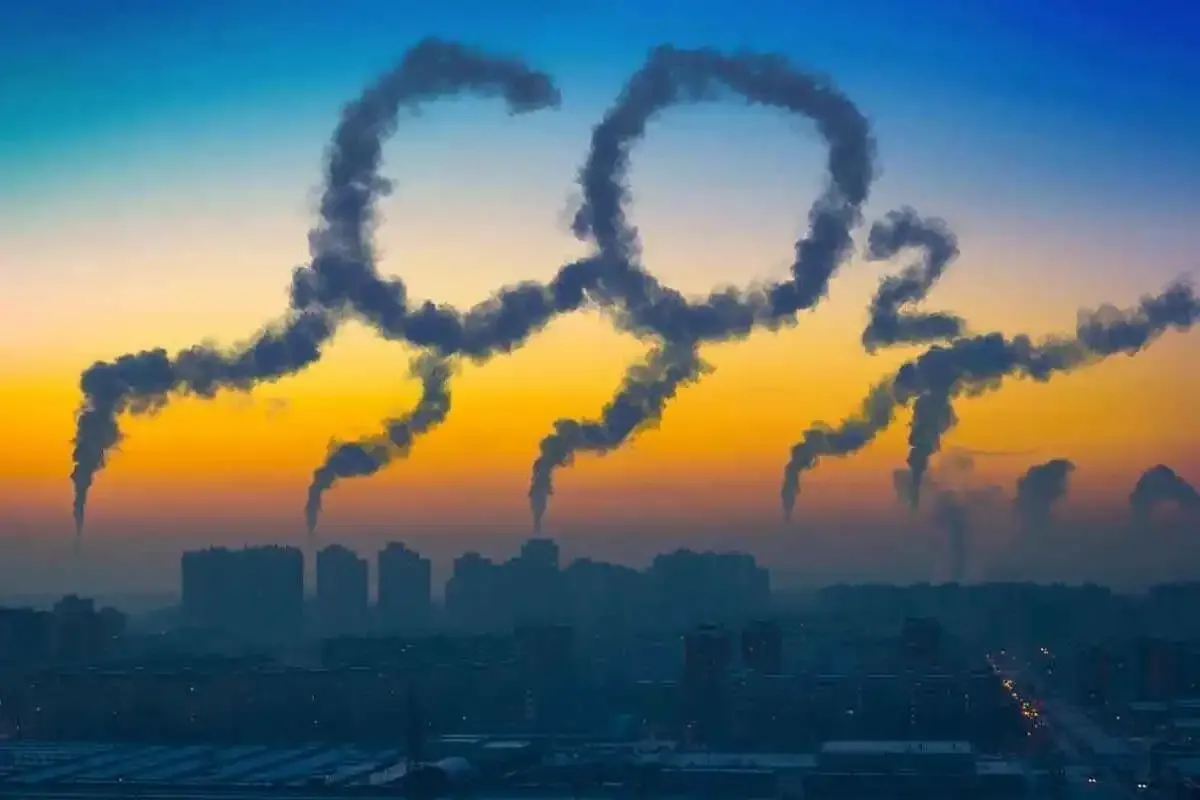

A new global analysis of CO₂ emissions per capita in 2024 reveals sharp contrasts among the world’s largest economies. While some nations emit significantly higher carbon per person, others maintain relatively low levels despite large populations.
The data highlights how individual carbon footprints vary widely depending on geography, industrial activity, and energy consumption patterns.
Oil-Rich Nations Lead the Rankings
Saudi Arabia ranks first with 20.4 tonnes of CO₂ emissions per person, followed closely by United Arab Emirates at 20.1 tonnes.


These countries dominate the top due to:
- Heavy reliance on fossil fuels
- Energy-intensive industries
- Smaller population sizes
Their per capita emissions are more than four times the global average.
Developed Economies Among Top Emitters
Countries like Australia, United States, and Canada also rank in the top five.
Their high emissions are driven by:
- Industrial production
- High energy consumption
- Resource-heavy economies
These nations emit roughly three times the global average per person.
Europe and Asia Show Mixed Trends
Russia leads among European economies with 12.3 tonnes per capita, reflecting its energy production scale.
In Asia, emission levels vary widely:
- South Korea: 11.3 tonnes
- Singapore: 9.2 tonnes
- China: 8.7 tonnes
China remains the largest overall emitter globally, but its per capita emissions place it in the middle of the ranking.
India Among Lowest Per Capita Emitters
India ranks at the bottom among major economies, with just 2.2 tonnes of CO₂ emissions per person.
Despite being a large and growing economy, India’s lower per capita emissions reflect:
- Lower average energy consumption
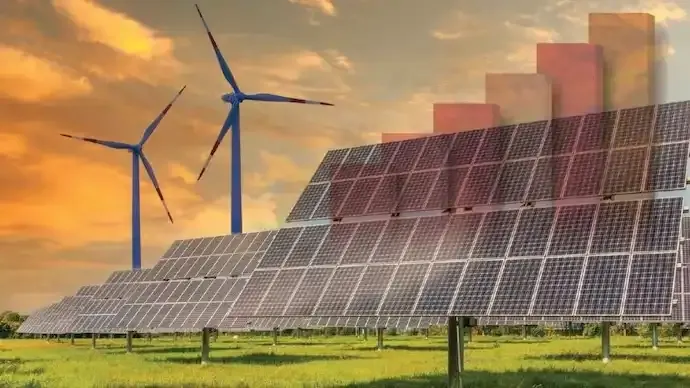
- Rapid expansion of renewable energy
- Strong push toward solar and green initiatives
India is also on track to significantly expand its renewable energy capacity by 2030.
Why Per Capita Emissions Matter
National emissions figures often focus on total output, but per capita data offers a clearer picture of individual environmental impact.
This ranking shows that:
- Wealthier and resource-heavy nations tend to emit more per person
- Population size significantly affects total vs per capita emissions
- Energy policy and industrial structure play key roles
Global Climate Implications
The findings underline the importance of balancing economic growth with sustainable practices. Countries with high per capita emissions may face increasing pressure to reduce their carbon footprint.
At the same time, developing nations are navigating the challenge of growth while transitioning to cleaner energy sources.








Conversation
Be kind and stay on topic. Comments are moderated; abuse, spam and personal attacks are removed. Report a problem