

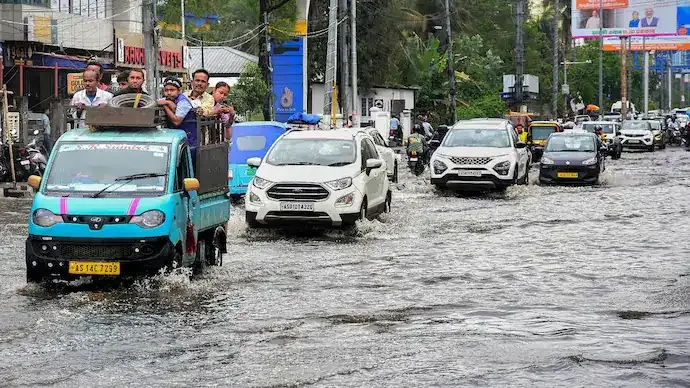

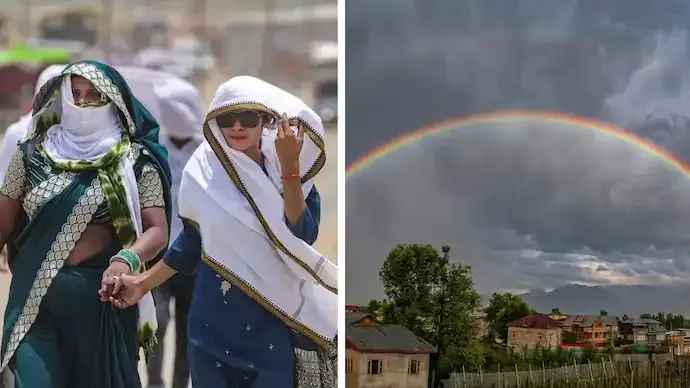
India’s weather has taken an unusual turn this year, with sudden shifts from heatwaves in March to unexpected rain, hailstorms, and falling temperatures in early April. The rapid changes have left many across the country puzzled.
From sunny days to heavy rainfall, the pattern has been inconsistent and more intense than usual.
Western Disturbances Behind the Shift
The primary reason behind this erratic weather is a system known as a western disturbance. These are weather systems that originate in the Mediterranean region and travel towards India, bringing rain and storms, especially in northern regions.

While western disturbances are common during winter, their extended presence into late March and April this year has made the situation unusual.
Multiple Systems Active at the Same Time
Experts indicate that two active western disturbances are currently influencing weather conditions across northwest India. This overlap has intensified rainfall and storm activity.
Such back-to-back systems are not typical for this time of year, contributing to prolonged wet spells.
Rain and Storms Likely to Continue
Weather forecasts suggest that these conditions are expected to persist until the end of the month. Regions in north and northwest India may continue to experience rain, thunderstorms, and cooler temperatures.
This extended spell of unusual weather could impact daily life, agriculture, and travel.
Impact on Agriculture and Daily Life
Unseasonal rainfall and hailstorms can damage crops, especially during crucial harvesting periods. Farmers may face losses due to sudden weather changes.
Urban areas are also affected, with waterlogging and disruptions in transportation becoming common during heavy rain.
Climate Patterns Becoming More Unpredictable
Experts believe that climate variability is making weather patterns more unpredictable. Changes in global climate systems may be influencing the frequency and intensity of western disturbances.
Such trends highlight the growing challenges in forecasting and adapting to changing weather conditions.
Why India’s Weather Feels ‘Spiralling’
The combination of delayed winter systems, overlapping disturbances, and sudden temperature drops has created a “whiplash” effect in weather patterns.
This unpredictability is what makes the current situation feel unusual and more extreme compared to previous years.






Conversation
Be kind and stay on topic. Comments are moderated; abuse, spam and personal attacks are removed. Report a problem