
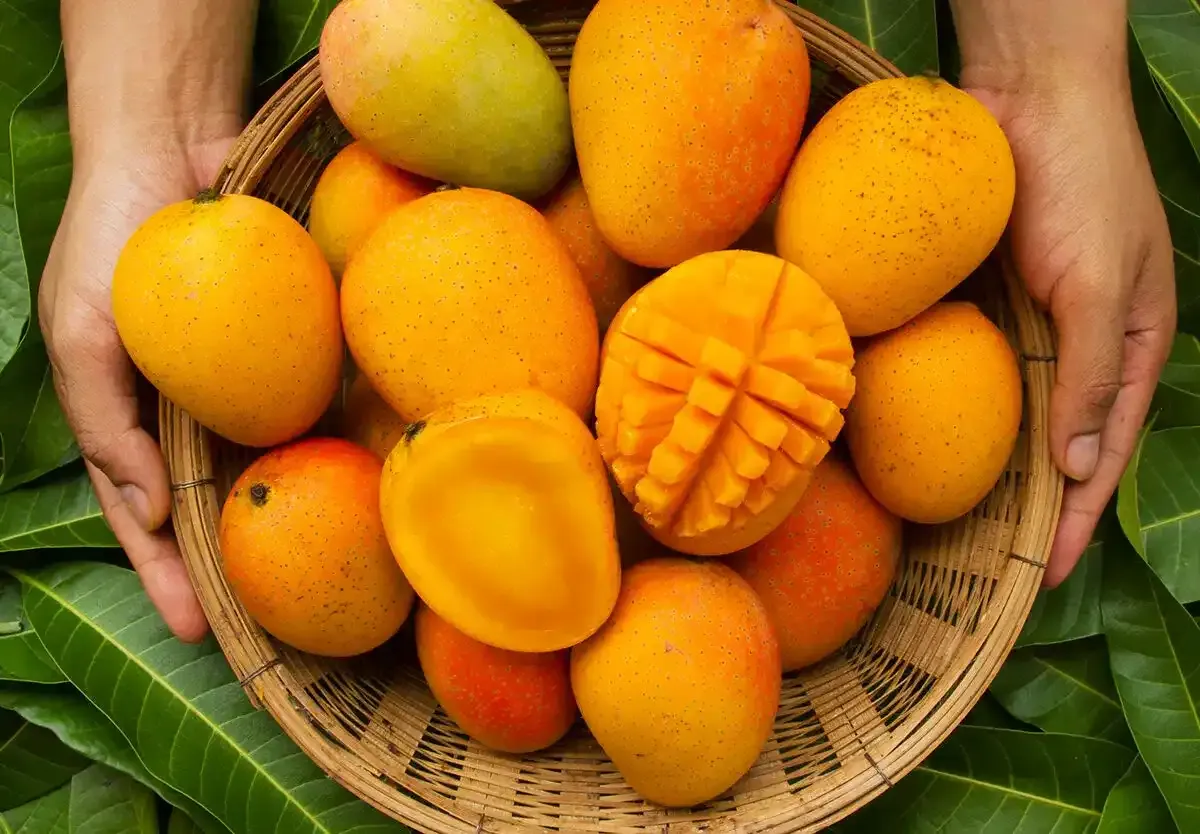
Mangoes, often called the “king of fruits” in India, are facing a growing threat from climate change. What has long been a symbol of summer and cultural tradition is now at risk due to rising temperatures and unpredictable weather patterns.
Across major mango-producing regions like Uttar Pradesh and Maharashtra, farmers are witnessing changes that are affecting both yield and quality.
India’s Mango Economy at Stake
India is the world’s largest producer of mangoes, with around 24 lakh hectares under cultivation and production exceeding 200 lakh tonnes. The fruit supports millions of farmers, traders, and workers across the agricultural value chain.
Any disruption to mango production directly impacts livelihoods, rural economies, and seasonal markets.
Rising Temperatures Affect Growth Cycle
Mango trees require specific climatic conditions to thrive, including stable temperatures during flowering and fruit development stages. Even a slight rise in temperature can disrupt this cycle.
Higher temperatures can lead to poor flowering, early fruit drop, and reduced fruit size, significantly lowering overall yields.
Unpredictable Weather Patterns Add Pressure
Climate change has also increased the frequency of extreme weather events such as unseasonal rains, heatwaves, and storms. These conditions can damage blossoms and reduce fruit quality.
Farmers are finding it increasingly difficult to predict growing seasons, making planning and crop management more challenging.
Impact on Popular Mango Varieties
Famous varieties like Dashehari and Alphonso are particularly sensitive to climate variations. Changes in temperature and humidity levels can affect their taste, texture, and shelf life.
As conditions worsen, there is concern that these iconic varieties may struggle to maintain their quality and yield in the future.
Livelihoods and Culture at Risk
Mangoes are not just an agricultural product in India — they are deeply tied to culture, tradition, and seasonal identity. From local markets to export industries, the fruit plays a vital role in the economy.
Climate-related challenges threaten not only incomes but also the cultural significance associated with mango season.
Need for Adaptation and Sustainable Practices
Experts suggest that adapting farming practices is essential to protect mango cultivation. This includes developing climate-resilient varieties, improving irrigation systems, and adopting better crop management techniques.
Without timely intervention, the long-term future of mango production in India could face serious challenges.



Conversation
Be kind and stay on topic. Comments are moderated; abuse, spam and personal attacks are removed. Report a problem