
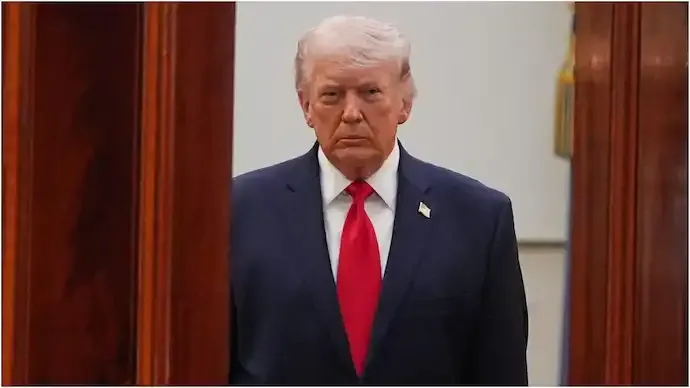
Donald Trump has announced major changes to US trade policy, including imposing tariffs of up to 100% on certain patented pharmaceutical imports.
The move is aimed at pressuring global pharmaceutical companies to reduce drug prices and shift manufacturing operations to the United States.
Push for Domestic Manufacturing and Lower Prices
Under the new policy, pharmaceutical firms may face steep import duties unless they:
- Cut drug prices for the US market
- Increase domestic production within the US
The decision reflects the administration’s focus on boosting local manufacturing while addressing concerns over high healthcare costs.
Metal Tariffs Also Restructured
Alongside pharmaceutical tariffs, the US government has revised duties on key metals, including steel, aluminium, and copper.
The changes include:
- Reduction in some tariff rates
- Retention of high duties on selected imports
- Modification in how tariffs are calculated
This restructuring is expected to impact global trade flows and pricing in the metals market.
Move Linked to Broader Economic Strategy
The tariff overhaul comes after earlier global tariff measures were struck down by the US Supreme Court.
The latest policy is partly aimed at recovering lost tariff revenues and strengthening domestic industries amid ongoing economic challenges.
Impact of Iran Conflict on Policy Decisions
The changes also come at a time of rising energy costs due to tensions involving Iran. Higher energy prices have added pressure on industries, influencing trade and economic policies.
The administration appears to be using tariff adjustments as a tool to manage both economic and geopolitical challenges.
Concerns Raised by Business Groups
The policy has drawn criticism from business and industry groups, who warn that higher tariffs could:
- Increase costs for consumers
- Disrupt global supply chains
- Impact international trade relations
Pharmaceutical and manufacturing sectors are expected to closely monitor the implementation of these measures.
Global Trade Implications
The announcement signals a shift towards more aggressive trade protectionism. Countries exporting drugs and metals to the US may face new challenges, potentially leading to trade tensions.
The policy could reshape global supply chains and influence pricing strategies across industries.



Conversation
Be kind and stay on topic. Comments are moderated; abuse, spam and personal attacks are removed. Report a problem