
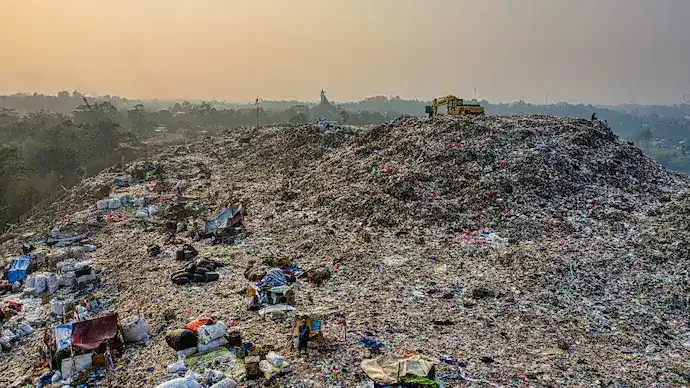
India is set to implement the new Solid Waste Management Rules 2026 from April 1, marking a significant shift in how the country handles its growing waste problem.
The updated framework replaces older rules introduced in 2016, which faced challenges due to weak enforcement.
Stricter Accountability for Waste Generators
The new rules place greater responsibility on individuals, households, and businesses that generate waste.
Authorities will now ensure that waste generators follow proper segregation and disposal practices.
Mandatory Waste Segregation at Source
One of the most important changes is the strict enforcement of waste segregation.
Citizens will be required to separate waste into categories such as:
- Wet waste
- Dry waste
- Hazardous waste
Failure to follow these rules could result in penalties.
Heavy Penalties for Non-Compliance
The government has introduced stricter penalties to ensure compliance.
Local authorities will have the power to impose fines on individuals and organisations that:
- Fail to segregate waste
- Dump garbage illegally
- Violate waste disposal norms
Polluters may also be required to pay compensation for environmental damage.
Advanced Waste Tracking System
The new rules introduce a system to track waste from generation to disposal.
This ensures transparency and accountability across the entire waste management process.
Focus on Cleaning Dump Sites
Another major focus is the scientific treatment and cleanup of landfill sites.
Authorities have been given timelines to reduce and eliminate large garbage dumps across cities.
Encouraging Sustainable Practices
The framework promotes recycling, composting, and sustainable waste management practices.
This aligns with global environmental standards and climate goals.
Why Previous Rules Failed
The earlier 2016 rules faced issues such as:
- Poor implementation
- Lack of monitoring
- Limited public awareness
The new rules aim to address these gaps with stricter enforcement and technology integration.
Impact on Citizens and Businesses
The changes will directly affect daily life, requiring more responsible waste handling at the household and corporate level.
What Lies Ahead
With stronger enforcement and accountability, the success of these rules will depend on public participation and effective implementation.





Conversation
Be kind and stay on topic. Comments are moderated; abuse, spam and personal attacks are removed. Report a problem