Shopping cart
Your cart empty!


Your cart empty!
Terms of use dolor sit amet consectetur, adipisicing elit. Recusandae provident ullam aperiam quo ad non corrupti sit vel quam repellat ipsa quod sed, repellendus adipisci, ducimus ea modi odio assumenda.
Lorem ipsum dolor sit amet consectetur adipisicing elit. Sequi, cum esse possimus officiis amet ea voluptatibus libero! Dolorum assumenda esse, deserunt ipsum ad iusto! Praesentium error nobis tenetur at, quis nostrum facere excepturi architecto totam.
Lorem ipsum dolor sit amet consectetur adipisicing elit. Inventore, soluta alias eaque modi ipsum sint iusto fugiat vero velit rerum.
Sequi, cum esse possimus officiis amet ea voluptatibus libero! Dolorum assumenda esse, deserunt ipsum ad iusto! Praesentium error nobis tenetur at, quis nostrum facere excepturi architecto totam.
Lorem ipsum dolor sit amet consectetur adipisicing elit. Inventore, soluta alias eaque modi ipsum sint iusto fugiat vero velit rerum.
Dolor sit amet consectetur adipisicing elit. Sequi, cum esse possimus officiis amet ea voluptatibus libero! Dolorum assumenda esse, deserunt ipsum ad iusto! Praesentium error nobis tenetur at, quis nostrum facere excepturi architecto totam.
Lorem ipsum dolor sit amet consectetur adipisicing elit. Inventore, soluta alias eaque modi ipsum sint iusto fugiat vero velit rerum.
Sit amet consectetur adipisicing elit. Sequi, cum esse possimus officiis amet ea voluptatibus libero! Dolorum assumenda esse, deserunt ipsum ad iusto! Praesentium error nobis tenetur at, quis nostrum facere excepturi architecto totam.
Lorem ipsum dolor sit amet consectetur adipisicing elit. Inventore, soluta alias eaque modi ipsum sint iusto fugiat vero velit rerum.
Do you agree to our terms? Sign up
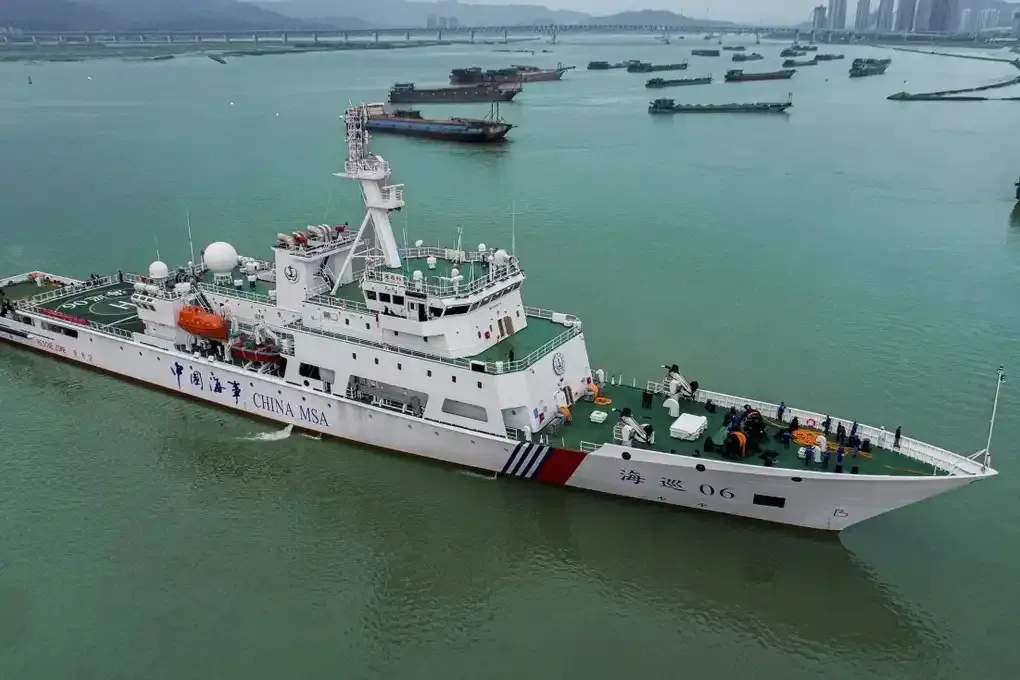
China has defended its recent maritime patrols in waters east of Taiwan after Britain, France and Germany expressed concern over what they described as new Chinese activity in the region. The development has added to growing geopolitical tensions in the Indo-Pacific, where strategic shipping lanes and territorial disputes continue to shape international diplomacy.
Beijing maintained that its coast guard and maritime patrol operations are lawful measures intended to preserve regional stability and maritime order, while several Western governments warned that the increased activity could heighten tensions in an already sensitive region.
Chinese authorities defended the patrols, stating that the operations were carried out to:
Officials rejected criticism from Western governments and argued that the patrols were consistent with China's maritime responsibilities.
Britain, France and Germany jointly expressed concern over China's recent operations east of Taiwan.
According to the European governments, the increased maritime activity could:
The statements reflect Europe's growing engagement in Indo-Pacific security issues.
The United States has also voiced concerns over developments around Taiwan and continues to closely monitor regional military and maritime activity.
Washington has repeatedly emphasised the importance of:
The latest developments are likely to remain an important issue in broader US-China relations.
The latest exchange follows announcements by Japan and the Philippines regarding discussions on maritime boundaries in waters that China also claims.
China subsequently deployed coast guard vessels in response to those developments.
The overlapping territorial claims continue to complicate relations among several countries in the region.
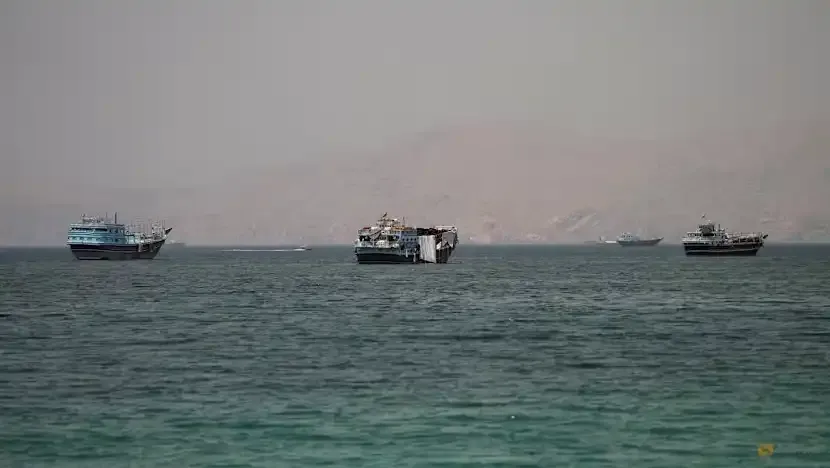
The seas surrounding Taiwan are among the world's most strategically significant waterways.
These routes are vital because they:
Any increase in military or coast guard activity is therefore closely watched by governments and global markets.
Taiwan continues to be one of the most sensitive issues in China's foreign policy.
Beijing regards Taiwan as part of its territory under the One China principle, while Taiwan operates with its own government, military and democratic institutions.
The differing positions have made the Taiwan Strait one of the world's most closely monitored geopolitical flashpoints.
The Indo-Pacific has become an increasingly important strategic region for global powers.
Countries including:
have expanded diplomatic, economic and security engagement in the region amid evolving geopolitical dynamics.
The waters surrounding Taiwan are essential to international commerce.
Any prolonged increase in regional tensions could affect:
Although commercial shipping continues normally, developments are closely monitored by governments and businesses worldwide.
Despite rising tensions, diplomatic engagement among regional and global powers continues through bilateral meetings, multilateral forums and international dialogue.
Most countries have reiterated the importance of:
Diplomatic efforts remain central to reducing the risk of escalation.
China's defence of its patrol operations east of Taiwan comes amid growing international concern over rising maritime activity in one of the world's most strategically important regions. While Beijing maintains that the patrols are intended to preserve maritime order, European governments and the United States have expressed concern about their potential impact on regional stability. As multiple countries continue to strengthen their presence in the Indo-Pacific, the Taiwan issue remains a key focus of global diplomacy and international security.
Q1. Why did China conduct patrols east of Taiwan?
China says the patrols were carried out to maintain maritime order and regional stability.
Q2. Which countries raised concerns over the patrols?
Britain, France, Germany and the United States have expressed concerns about recent developments.
Q3. Why is the Taiwan region strategically important?
The waters around Taiwan are major international shipping routes connecting key global economies.
Q4. Why are Japan and the Philippines mentioned in the dispute?
The latest developments followed plans by Japan and the Philippines to discuss maritime boundaries in waters also claimed by China.
Q5. Has a military conflict occurred?
No. The current developments involve diplomatic exchanges and maritime patrol activities, while regional tensions continue to be closely monitored.
Q6. Why is the Taiwan issue significant internationally?
Taiwan remains a major geopolitical issue because of its strategic location, economic importance and differing political positions between Beijing and Taipei.
2
Published: 56m ago

All India Story is your trusted source for comprehensive and up-to-the-minute news coverage across India. Bringing you the latest on politics, business, technology, entertainment, sports, and more, we are dedicated to keeping you informed with accurate, engaging, and insightful stories from every corner of the nation.