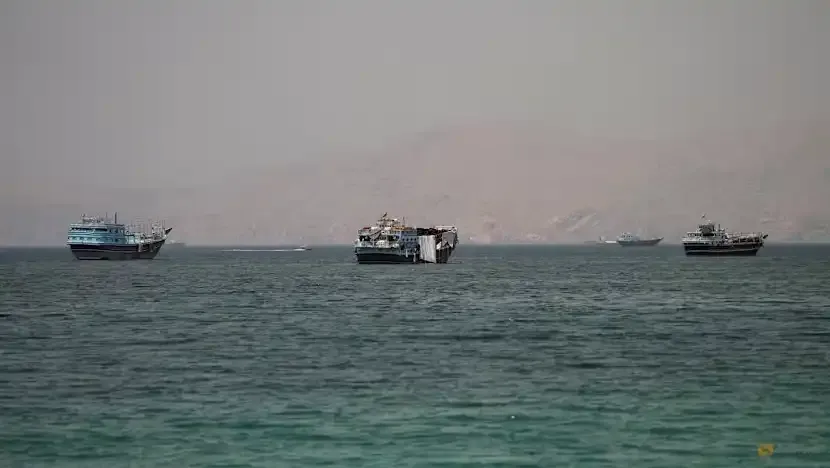
A Liberian-flagged oil tanker successfully transited the Strait of Hormuz using a newly promoted coastal route near Oman, despite warnings issued by Iran's Islamic Revolutionary Guard Corps (IRGC) regarding maritime activity in the region. The voyage comes amid renewed tensions surrounding the implementation of the US-Iran interim agreement and continuing concerns over security along one of the world's busiest energy corridors.
The tanker, Stoic Warrior, completed its passage through the strategic waterway using a navigation route promoted by a United Nations maritime body to enhance shipping safety.
Stoic Warrior Crosses the Strait of Hormuz
The Liberian-flagged oil tanker Stoic Warrior sailed through the Strait of Hormuz using a coastal navigation corridor close to Oman.
The transit drew international attention because it occurred despite warnings issued by Iran's Revolutionary Guard concerning maritime movements in the area.
No immediate disruption to the vessel's journey was reported.
New Coastal Route Near Oman
The route used by the tanker follows a coastal passage near Oman that has been promoted by an international maritime agency associated with the International Maritime Organization (IMO).
The corridor is intended to:
- Improve navigational safety.
- Reduce shipping risks.
- Enhance coordination in busy sea lanes.
- Support uninterrupted commercial maritime traffic.
International shipping companies continue to monitor developments before deciding operational routes.
Iran Issues Shipping Warning
Iran's Revolutionary Guard had warned commercial vessels operating in the region amid ongoing geopolitical tensions.
The warning comes as Tehran and Washington continue discussions related to the implementation of an interim agreement aimed at reducing regional conflict.
Iranian authorities have not announced any restrictions on commercial navigation through the strait.
Strait of Hormuz Remains Strategically Important
The Strait of Hormuz is one of the world's most critical maritime chokepoints.
The narrow waterway connects the Persian Gulf with the Gulf of Oman and the Arabian Sea, serving as a vital route for global energy supplies.
A significant share of the world's crude oil and liquefied natural gas exports passes through the strait each day.
Why the Strait of Hormuz Matters
The waterway is essential for global trade because it:
- Carries a substantial portion of international oil exports.
- Connects major energy-producing nations to global markets.
- Supports international shipping.
- Plays a key role in global energy security.
Any disruption in the strait can influence international oil prices and shipping operations.
US-Iran Tensions Continue
The latest shipping developments come as the United States and Iran continue to navigate differences over the implementation of their interim understanding.
While diplomatic engagement continues, disagreements remain over several aspects of the broader negotiations.
The maritime situation reflects the continuing sensitivity of regional security despite ongoing diplomatic efforts.
Maritime Security in the Gulf
Commercial vessels operating in the Gulf routinely coordinate with maritime authorities to minimise operational risks.
Shipping companies typically monitor:
- Security advisories.
- Navigation guidance.
- Weather conditions.
- Regional military activity.
- Official maritime notices.
Such measures help ensure safe passage through strategically important waterways.
Impact on Global Energy Markets
Because the Strait of Hormuz handles a large share of global oil exports, developments in the region are closely watched by:
- Energy markets.
- Shipping companies.
- Governments.
- Commodity traders.
- Insurance providers.
Although commercial traffic continues, geopolitical uncertainty can influence freight costs and market sentiment.
Diplomatic Efforts Continue
Regional and international stakeholders continue diplomatic engagement aimed at maintaining maritime security and ensuring uninterrupted global trade.
Many countries have reiterated support for:
- Freedom of navigation.
- Peaceful dispute resolution.
- Regional stability.
- Safe commercial shipping.
International organisations also continue coordinating with member states on maritime safety.
Conclusion
The successful transit of the Liberian tanker Stoic Warrior through the Strait of Hormuz using a new coastal route near Oman underscores the strategic importance of maintaining secure shipping lanes in one of the world's busiest maritime corridors. While Iran's warning has heightened attention on regional security, commercial shipping continues under close monitoring as diplomatic efforts between Tehran and Washington remain ongoing. The Strait of Hormuz continues to play a critical role in global energy security and international trade.
FAQ SECTION
Q1. What is the Stoic Warrior?
Stoic Warrior is a Liberian-flagged oil tanker that recently transited the Strait of Hormuz.
Q2. Why is the Strait of Hormuz important?
It is one of the world's busiest energy shipping routes, carrying a significant share of global crude oil and liquefied natural gas exports.
Q3. What route did the tanker use?
The vessel used a coastal route near Oman that has been promoted through international maritime safety guidance.
Q4. Why did Iran issue a warning?
Iran's Revolutionary Guard issued warnings amid ongoing regional tensions and discussions surrounding the US-Iran interim agreement.
Q5. Was shipping disrupted?
According to available information, the tanker completed its transit successfully and no major disruption to commercial shipping was reported.
Q6. Why do global markets monitor the Strait of Hormuz?
Any disruption in the strait can affect global energy supplies, shipping operations and international oil prices.