

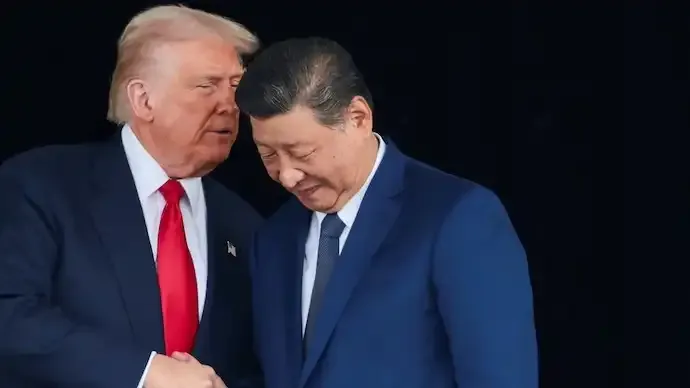

Senior Pakistani journalist Hamid Mir has claimed that China played a crucial role in securing the recent ceasefire between Iran and the United States.
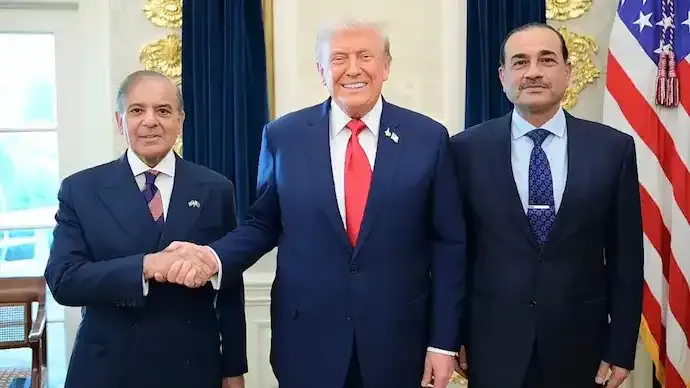
According to Mir, diplomatic efforts led by Pakistan may not have succeeded without China’s last-minute intervention. His remarks suggest that Beijing acted as a key player in convincing Iran to agree to the truce.
China and Pakistan’s Coordinated Efforts
Mir stated that China and Pakistan worked together to bring Iran on board for the ceasefire agreement.

He emphasised that the coordinated diplomatic push helped bridge gaps between the involved parties. This collaboration highlights the growing strategic alignment between China and Pakistan in global geopolitical matters.
The claim adds a new dimension to the understanding of how the ceasefire was negotiated behind the scenes.
Ceasefire Involving Major Global Players
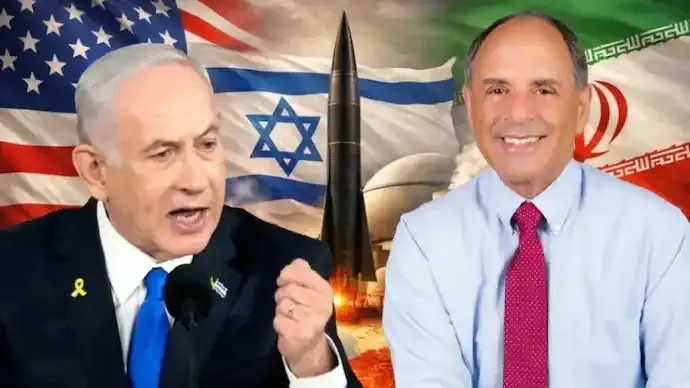
The truce involves key global stakeholders, including Iran, the United States, and Israel.
While official narratives have focused on direct negotiations and mediation efforts, Mir’s statement suggests that China’s influence may have been instrumental in shaping the final outcome.
This raises questions about the extent of Beijing’s involvement in Middle East diplomacy.
China’s Expanding Global Influence
China has been increasingly active in global conflict resolution and diplomatic negotiations. Its growing economic and political influence allows it to play a more prominent role in international affairs.
If the claims are accurate, this development further strengthens China’s position as a key global mediator, particularly in regions traditionally influenced by Western powers.
Debate Over True Mediator Role
Mir’s remarks have sparked debate over who should be credited for the ceasefire. While Pakistan has been projected as a mediator, the suggestion that China played a decisive role could shift perceptions.
Analysts believe that modern diplomacy often involves multiple layers of negotiation, with several countries contributing behind the scenes.
Geopolitical Implications of the Claim
The idea that China may have influenced the ceasefire carries significant geopolitical implications. It could reshape alliances, alter power dynamics, and impact future diplomatic engagements in West Asia.
For India and other global players, understanding these shifts is crucial in navigating international relations and strategic interests.
Unfolding Narrative in Global Diplomacy
As more details emerge, the true extent of each country’s role in the ceasefire may become clearer. For now, the claims made by Hamid Mir have added a fresh perspective to an already complex geopolitical situation.
The coming days are likely to reveal more insights into how the truce was negotiated and which players had the most influence.




Conversation
Be kind and stay on topic. Comments are moderated; abuse, spam and personal attacks are removed. Report a problem