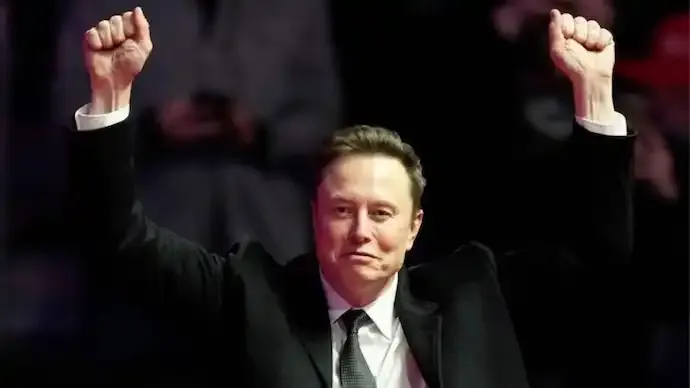
Elon Musk’s $1 Trillion Tesla Pay Plan Comes With Extreme Targets and No Guarantees

Elon Musk’s $1 Trillion Tesla Pay Plan Comes With Extreme Targets and No Guarantees

Elon Musk has once again pushed the boundaries of corporate compensation, as Tesla shareholders approved an unprecedented $1 trillion performance-based pay structure at the company’s annual meeting in Austin. While the headline number has invited global attention, the path to actually receiving this figure is steep, demanding a series of operational and financial achievements that Tesla refers to as “Mars-shot milestones.”

The plan, spread across twelve stages, is built entirely around Musk delivering on long-term targets that would transform Tesla into a company operating at a scale few corporations in history have ever reached. Notably, Musk will not receive a cent unless these aggressive milestones are met.

Tesla’s Multi-Trillion Dollar Challenge

Each tranche of the plan is tied to Tesla reaching specific levels of valuation while simultaneously meeting demanding operational outcomes. The first reward is unlocked only when Tesla hits a $2 trillion market cap. The goals then escalate dramatically, with multiple jumps of $500 billion and later $1 trillion, culminating in a potential valuation of $8.5 trillion.

As of late 2025, Tesla stands near $1.5 trillion. Hitting the final target would place Tesla well ahead of today’s most valuable companies, including Nvidia.

Building 20 Million Vehicles

Perhaps the most dramatic operational requirement is the delivery of 20 million Tesla vehicles by 2035. Since the company’s inception, approximately 8 million vehicles have been produced. Achieving the remainder will require doubling the total output Tesla has ever achieved — within a single decade. This demands accelerated factory expansion, supply chain reinforcement, and the ability to outpace intensifying competition from global EV manufacturers.

Robotaxis, Robots, and AI

Tesla’s ambitions extend far beyond car manufacturing. The milestones include:

  • 1 million fully autonomous robotaxis operating commercially for three months

  • 1 million Optimus humanoid robots in customer hands at around $20,000 each

  • 10 million Full Self-Driving (FSD) active subscriptions

These targets require breakthroughs in autonomy, robotics, regulation, and software reliability — areas where Tesla has aggressively invested but still faces significant hurdles.

Financial Performance and Leadership Conditions

On the financial front, Tesla must achieve $400 billion in adjusted EBITDA over four consecutive quarters in the final phase of the plan — a huge leap from its 2024 performance. Moreover, the last two tranches tie Musk’s payout to Tesla having a formal succession blueprint and Musk maintaining an approved leadership role through 2035.

A High-Risk, High-Reward Decade Ahead

Even partial achievement of these goals could unlock tens of billions for Musk, but the scale of the plan ensures that nothing comes easy. Tesla now enters a defining period where its futuristic promises — from robotaxis to autonomous robots — will be tested against real-world delivery and profitability.

The next ten years will determine whether this package becomes the largest payout in corporate history or an example of bold ambition meeting hard limits.

Prev Article
Paytm Shares Rise 4% Despite Q2 Profit Drop — Here’s What’s Driving Investor Optimism
Next Article
Voluntary Retirement Under UPS: Eligibility, Notice Rules, Pension Formula and Key Deadlines Explained

Related to this topic: