
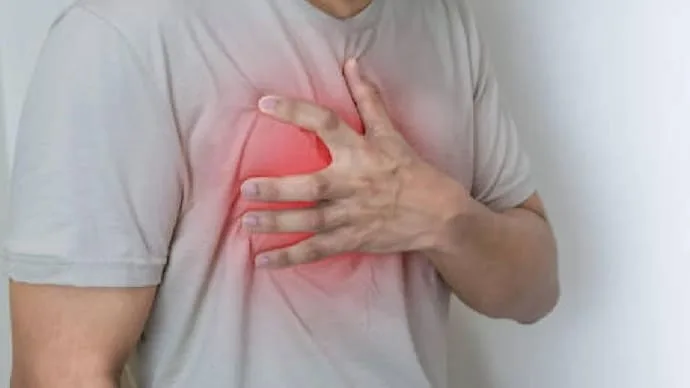
The Goa STEMI model is drawing attention for its focus on reducing delays during severe heart attacks, when every minute can affect outcomes. Data presented at the National CVD Summit 2026 showed that patients can receive a confirmed diagnosis and, when required, thrombolysis within about 19 minutes after reaching a public healthcare facility.
STEMI, or ST-elevation myocardial infarction, is a serious type of heart attack generally caused by a complete blockage of a coronary artery. The Goa programme connects primary and district-level facilities with specialist cardiac care through a hub-and-spoke network. The state government has highlighted the programme as a model for improving access to emergency cardiac treatment.
How Goa’s heart attack system works
Under the model, patients reporting symptoms such as chest pain, heaviness or breathlessness can receive an ECG even at a primary health centre. AI-enabled ECG technology allows the reading to be assessed remotely, helping frontline doctors identify possible STEMI cases quickly.
The programme then enables treatment at the initial facility where appropriate, including thrombolysis to dissolve a dangerous blood clot. Patients can subsequently be transferred to a higher-level centre for definitive treatment such as percutaneous coronary intervention (PCI).
The system was designed to address one of India's biggest cardiac-care challenges: specialist services and catheterisation laboratories are concentrated in larger hospitals, while patients may initially seek care much farther away. Goa’s approach attempts to connect those first-contact facilities with specialist expertise and referral pathways.
Goa’s results so far
Goa began developing its statewide STEMI programme with Goa Medical College as the hub and primary health centres functioning as spokes. The network has since expanded to 20 spokes. Data presented at the 2026 summit showed a median door-to-needle time of about 18.5 minutes, while programme material reported early STEMI mortality falling from 7.2% to around 2.4%.
The model has also involved emergency transport, trained medical officers and technology-supported ECG interpretation, allowing treatment and referral decisions to begin closer to where patients first seek help.
Can the Goa model work across India?
Other states, including Maharashtra, Karnataka, Telangana, Odisha, Bihar and Manipur, are also implementing versions of STEMI networks. The National CVD Summit brought together policymakers and medical experts to discuss how such systems could be expanded while accounting for differences in geography, infrastructure, transport and access to cath labs.
The Goa experience suggests that technology alone is not enough. Rapid diagnosis needs to be connected to trained staff, medicines, ambulances, referral centres and timely specialist treatment. For heart attacks, shortening the gap between the first ECG and definitive care remains central to improving outcomes.


Conversation
Be kind and stay on topic. Comments are moderated; abuse, spam and personal attacks are removed. Report a problem