

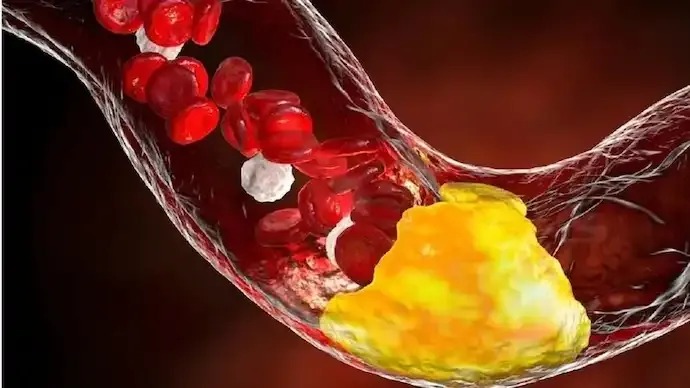

A landmark study by the Indian Council of Medical Research (ICMR) and the Madras Diabetes Research Foundation (MDRF) has revealed a worrying trend in India's cardiovascular health. According to the latest findings, 87.3% of Indian adults have dyslipidemia, a condition marked by abnormal levels of blood lipids, with low levels of high-density lipoprotein (HDL)—commonly known as "good cholesterol"—emerging as the primary contributor.
Published as part of the INDIAB study in the Journal of Clinical Lipidology, the research suggests that India's cholesterol crisis extends far beyond high LDL ("bad cholesterol") and may be leaving millions of seemingly healthy individuals at an increased risk of heart disease.
Low HDL Cholesterol Dominates India's Lipid Profile
The study found that 66.8% of Indian adults have low HDL cholesterol, making it the most common lipid abnormality in the country. HDL plays a vital role in removing excess cholesterol from the bloodstream and protecting blood vessels from plaque buildup.

Researchers noted that if low HDL is excluded from the definition of dyslipidemia, the prevalence drops significantly to nearly 30–35%, highlighting the dominant role this single factor plays in India's lipid health.
Experts say this pattern has long been observed among South Asians and is influenced by both genetic factors and modern lifestyle habits.
More Than Just Bad Cholesterol
While high LDL cholesterol remains a major cardiovascular risk factor, the study estimates that nearly 21.3 crore Indians have high total cholesterol, while 18.5 crore people have elevated LDL cholesterol.
However, researchers found that India's unique metabolic profile is more commonly characterized by low HDL cholesterol combined with high triglyceride levels, a combination that significantly increases the risk of coronary artery disease.
This pattern is closely associated with the Asian Indian phenotype, a metabolic tendency that makes South Asians more vulnerable to heart disease, even at lower body weight compared to Western populations.
A diet rich in refined carbohydrates, coupled with sedentary lifestyles, contributes to higher triglycerides and lower HDL levels, increasing cardiovascular risk from an early age.
Young Adults and Women Among the Most Affected
The study highlights that dyslipidemia is no longer limited to older adults.
Researchers found the highest prevalence among individuals aged 30 to 39 years, indicating that cardiovascular risk factors are developing much earlier in life.
Women were found to be more affected than men, with 91.1% showing at least one form of dyslipidemia compared to 83.5% of men.
Urban India recorded a slightly higher prevalence (89%) than rural India (86.5%), although experts noted that changing dietary habits, reduced physical activity, and increasing consumption of ultra-processed foods have narrowed the gap between urban and rural populations.
Millions May Be Missing Heart Disease Screening
One of the study's most concerning findings is that approximately 35.4 crore Indians with dyslipidemia do not have obesity, diabetes, or hypertension—the very conditions that usually prompt cholesterol screening during routine medical check-ups.
This means a significant proportion of people with abnormal lipid levels could remain undiagnosed until they develop serious cardiovascular complications such as heart attacks or strokes.
The researchers argue that India's current screening strategy should move beyond traditional high-risk groups and encourage broader lipid testing, particularly because South Asians are known to develop heart disease at younger ages and lower body weights.
Lifestyle Changes Can Improve Good Cholesterol
Despite the concerning findings, experts say many lipid abnormalities can be improved through healthy lifestyle choices.
Reducing the intake of refined carbohydrates, increasing dietary protein, engaging in regular physical activity, and maintaining healthy blood sugar levels can help improve HDL cholesterol while lowering triglycerides.
For individuals with high LDL cholesterol, replacing saturated fats such as palm oil and coconut oil with healthier monounsaturated fats like mustard, sesame, and groundnut oils may improve overall lipid profiles.
Doctors also emphasize that when lifestyle modifications are insufficient, cholesterol-lowering medications such as statins remain an effective treatment option.
With cardiovascular disease continuing to be the leading cause of death in India, experts believe early detection and preventive healthcare measures will play a crucial role in reducing the country's growing heart disease burden.
Key Highlights
- ICMR-MDRF study finds 87.3% of Indian adults have dyslipidemia.
- Low HDL (good cholesterol) affects 66.8% of the population and is the biggest contributor.
- Around 21.3 crore Indians have high total cholesterol, while 18.5 crore have elevated LDL cholesterol.
- Approximately 35.4 crore metabolically healthy Indians may still have abnormal lipid levels.
- Women are more affected than men, and the highest prevalence is seen in people aged 30–39 years.
- Researchers recommend expanding cholesterol screening beyond people with diabetes, obesity, or hypertension.
- Healthy diet, exercise, diabetes control, and medications can significantly improve lipid health.
Frequently Asked Questions (FAQs)
What is dyslipidemia?
Dyslipidemia is a medical condition in which a person has abnormal levels of blood lipids, including cholesterol and triglycerides, increasing the risk of heart disease and stroke.
What did the ICMR study find?
The study found that 87.3% of Indian adults have dyslipidemia, with low HDL (good cholesterol) being the most common abnormality.
Why is HDL called good cholesterol?
HDL helps remove excess cholesterol from the bloodstream and transports it to the liver for removal, reducing the risk of plaque buildup in arteries.
Why is low HDL common among Indians?
Experts attribute low HDL levels to a combination of genetic factors, high refined carbohydrate consumption, sedentary lifestyles, and the metabolic characteristics of the Asian Indian population.
Who is at risk according to the study?
The study found that millions of Indians without diabetes, obesity, or hypertension also have abnormal cholesterol levels, making them vulnerable to heart disease despite appearing healthy.
How can HDL cholesterol be increased naturally?
Regular exercise, maintaining a healthy weight, eating more protein, reducing refined carbohydrates, quitting smoking, and consuming healthy fats can help improve HDL cholesterol levels.
Should healthy individuals also get cholesterol tests?
Yes. The study suggests broader lipid screening because many individuals without traditional risk factors may still have abnormal cholesterol levels that increase long-term cardiovascular risk.









Conversation
Be kind and stay on topic. Comments are moderated; abuse, spam and personal attacks are removed. Report a problem