

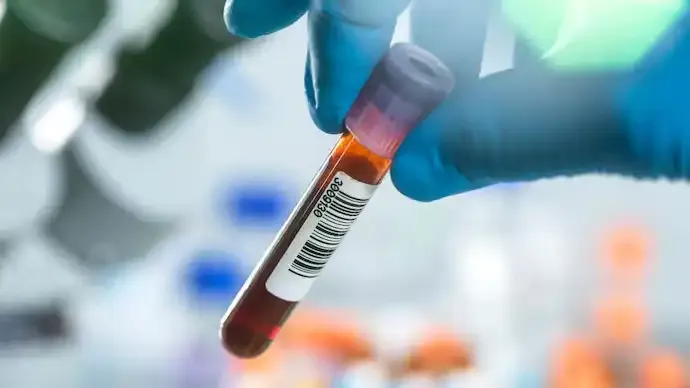

India is set to expand access to advanced cancer screening with the rollout of Shield Multi-Cancer Detection (Shield MCD), a blood test designed to detect signals associated with 10 common cancers through a single blood sample. The initiative is being introduced through a collaboration between Zydus Lifesciences, Apollo Hospitals, and US-based precision oncology company Guardant Health.
The new screening tool is expected to offer eligible adults aged 45 years and above a less invasive option for identifying potential signs of multiple cancers at an earlier stage. However, medical experts have clarified that the test is a screening tool and does not replace existing cancer screening methods or serve as a definitive diagnostic test.
What Is Shield MCD?
Shield Multi-Cancer Detection (MCD) is a blood-based screening test that looks for biological signals that may indicate the presence of certain cancers.

Unlike conventional screening methods that often focus on one specific cancer, Shield MCD is designed to screen for multiple cancers using a single blood draw, making the process more convenient and accessible for eligible individuals.
The technology has been developed by Guardant Health, a US-based company specialising in precision oncology and advanced cancer diagnostics.
Partnership to Expand Access Across India
Zydus Lifesciences has secured an exclusive agreement with Guardant Health to introduce the test in India.
Separately, the company has signed a memorandum of understanding with Apollo Hospitals to make the screening service available to eligible individuals across the country.
The collaboration aims to improve access to advanced cancer screening while supporting earlier detection, which can significantly improve treatment outcomes in many cases.
Who Is Eligible for the Test?
According to the rollout plan, the test is intended for:
- Adults aged 45 years and above
- Individuals eligible for routine cancer screening based on medical advice
- People seeking additional screening options as part of preventive healthcare
Doctors recommend that individuals consult healthcare professionals before deciding whether the test is appropriate for them.
How Does the Blood Test Work?
Shield MCD analyses a blood sample to detect molecular signals that may be associated with the presence of cancer.
If abnormal signals are identified, doctors may recommend additional diagnostic investigations such as imaging scans, biopsies, or organ-specific screening tests to confirm whether cancer is present.
The test itself does not diagnose cancer but helps identify people who may require further medical evaluation.
Which Cancers Can It Screen For?
The test is designed to identify signals associated with 10 common cancers through a single blood sample.
While the screening technology broadens the scope of early detection, healthcare providers stress that patients should continue following recommended screening programmes for cancers such as breast, cervical, colorectal and prostate cancer wherever applicable.
Doctors Stress It Is Not a Replacement for Existing Screening
Medical experts emphasise that Shield MCD should be viewed as an additional screening tool rather than a substitute for established cancer screening programmes.
Traditional methods such as mammography, Pap smears, colonoscopy and low-dose CT scans remain essential for detecting specific cancers and should continue according to medical guidelines.
Similarly, a positive Shield MCD result does not confirm cancer and requires follow-up diagnostic testing.
Why Early Cancer Detection Matters
Early identification of cancer often improves the chances of successful treatment.
Detecting cancer before symptoms appear can help:
- Begin treatment at an earlier stage.
- Improve survival rates.
- Expand treatment options.
- Reduce disease progression.
- Enhance long-term health outcomes.
Innovations such as multi-cancer blood screening are increasingly becoming part of preventive healthcare strategies worldwide.
Benefits of Multi-Cancer Blood Screening
Some potential advantages include:
- Single blood draw instead of multiple screening procedures.
- Less invasive than several conventional tests.
- Convenient for eligible adults.
- Supports early identification of cancer-related signals.
- Can complement existing screening programmes.
However, healthcare providers stress that screening decisions should always be made in consultation with qualified medical professionals.
Featured Snippet
India is introducing Shield Multi-Cancer Detection (Shield MCD), a blood test designed to screen for signals linked to 10 common cancers through a single blood draw. The screening will be available for eligible adults aged 45 and above, although doctors say it does not replace existing cancer screening tests or confirm a diagnosis.
Key Highlights
- India is rolling out Shield Multi-Cancer Detection (Shield MCD).
- The test screens for signals associated with 10 common cancers.
- It requires only a single blood sample.
- Adults aged 45 years and above are eligible.
- Zydus Lifesciences has partnered with Guardant Health.
- Apollo Hospitals will help expand nationwide access.
- Doctors say the test supports screening but does not confirm cancer.
- Existing cancer screening methods should continue as recommended.
Conclusion
The introduction of Shield MCD marks an important step in expanding access to advanced cancer screening in India. By enabling the detection of signals linked to multiple cancers through a single blood test, the initiative could make preventive healthcare more accessible for eligible adults. At the same time, healthcare experts emphasise that the technology should complement—not replace—established screening programmes and that any positive result must be followed by comprehensive medical evaluation.
FAQs
1. What is Shield MCD?
Shield Multi-Cancer Detection (MCD) is a blood test designed to screen for signals associated with 10 common cancers.
2. Who can take the test?
The screening is intended for eligible adults aged 45 years and above, subject to medical advice.
3. Does the blood test diagnose cancer?
No. It is a screening test that identifies possible cancer-related signals but cannot confirm a diagnosis.
4. Who is introducing the test in India?
The rollout is being led by Zydus Lifesciences in partnership with Guardant Health and Apollo Hospitals.
5. Does Shield MCD replace mammograms or other screening tests?
No. Doctors advise continuing routine cancer screening programmes as recommended.
6. What happens if the test detects abnormal signals?
Additional diagnostic tests, such as imaging or biopsies, may be recommended to determine whether cancer is present.
7. Why is early cancer detection important?
Detecting cancer at an early stage often improves treatment options and increases the likelihood of successful outcomes.
8. Is the test available across India?
The test will be introduced nationwide through the partnership between Zydus Lifesciences and Apollo Hospitals for eligible individuals.








Conversation
Be kind and stay on topic. Comments are moderated; abuse, spam and personal attacks are removed. Report a problem