Shopping cart
Your cart empty!


Your cart empty!
Terms of use dolor sit amet consectetur, adipisicing elit. Recusandae provident ullam aperiam quo ad non corrupti sit vel quam repellat ipsa quod sed, repellendus adipisci, ducimus ea modi odio assumenda.
Lorem ipsum dolor sit amet consectetur adipisicing elit. Sequi, cum esse possimus officiis amet ea voluptatibus libero! Dolorum assumenda esse, deserunt ipsum ad iusto! Praesentium error nobis tenetur at, quis nostrum facere excepturi architecto totam.
Lorem ipsum dolor sit amet consectetur adipisicing elit. Inventore, soluta alias eaque modi ipsum sint iusto fugiat vero velit rerum.
Sequi, cum esse possimus officiis amet ea voluptatibus libero! Dolorum assumenda esse, deserunt ipsum ad iusto! Praesentium error nobis tenetur at, quis nostrum facere excepturi architecto totam.
Lorem ipsum dolor sit amet consectetur adipisicing elit. Inventore, soluta alias eaque modi ipsum sint iusto fugiat vero velit rerum.
Dolor sit amet consectetur adipisicing elit. Sequi, cum esse possimus officiis amet ea voluptatibus libero! Dolorum assumenda esse, deserunt ipsum ad iusto! Praesentium error nobis tenetur at, quis nostrum facere excepturi architecto totam.
Lorem ipsum dolor sit amet consectetur adipisicing elit. Inventore, soluta alias eaque modi ipsum sint iusto fugiat vero velit rerum.
Sit amet consectetur adipisicing elit. Sequi, cum esse possimus officiis amet ea voluptatibus libero! Dolorum assumenda esse, deserunt ipsum ad iusto! Praesentium error nobis tenetur at, quis nostrum facere excepturi architecto totam.
Lorem ipsum dolor sit amet consectetur adipisicing elit. Inventore, soluta alias eaque modi ipsum sint iusto fugiat vero velit rerum.
Do you agree to our terms? Sign up
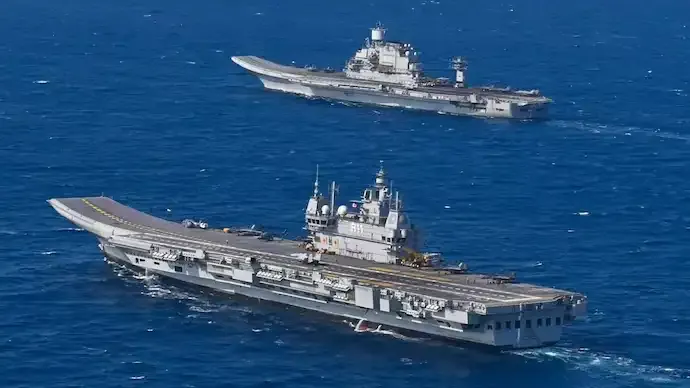
As tensions escalate in the Strait of Hormuz, the Indian Navy has stepped up maritime security by deploying dedicated task forces to escort India-bound oil and gas tankers. The move aims to ensure uninterrupted energy supplies and protect vital shipping routes amid growing regional instability.
According to government sources, the Indian Navy has deployed two task forces of warships in the North Arabian Sea to escort merchant vessels and tankers heading toward Indian ports.
These naval deployments are focused on safeguarding ships carrying crude oil and liquefied natural gas (LNG), which are critical for India’s energy needs.
The escort operations involve close monitoring, surveillance, and protection of vessels passing through high-risk zones near the Strait of Hormuz.
The Strait of Hormuz is one of the most important maritime chokepoints in the world, through which nearly 20% of global oil supply passes.
Any disruption in this narrow waterway can significantly impact global energy markets, fuel prices, and supply chains.
With rising tensions involving Iran and other global powers, shipping through the region has become increasingly risky.
Several Indian-linked vessels have been caught in the region amid escalating hostilities, raising concerns about delays and potential supply disruptions.
The deployment of naval escorts is a precautionary measure to:
Protect commercial vessels from missile or drone threats
Ensure safe navigation through conflict-prone waters
Maintain continuity in oil and gas supply to India
The Indian Navy is using a combination of warships, surveillance systems, and coordination with shipping operators to secure sea lanes.
These operations are part of broader efforts to enhance maritime security and respond quickly to emerging threats in the region.
Naval forces are also maintaining constant communication with merchant vessels to guide them safely through sensitive zones.
India depends heavily on imports for its energy requirements, with a significant portion of oil and gas shipments passing through the Strait of Hormuz.
Ensuring the safety of these routes is crucial for:
Energy security
Economic stability
Industrial and transportation needs
The current deployment reflects India’s proactive approach in safeguarding its national interests amid global uncertainty.
The situation in the Middle East continues to evolve, with increased military activity and threats to shipping lanes.
Experts warn that prolonged instability in the region could lead to sustained disruptions in global oil supply and rising energy prices.
India’s naval operations are therefore seen as a critical step in maintaining stability in its supply chain during a period of heightened geopolitical tension.
75
Published: Mar 17, 2026

All India Story is your trusted source for comprehensive and up-to-the-minute news coverage across India. Bringing you the latest on politics, business, technology, entertainment, sports, and more, we are dedicated to keeping you informed with accurate, engaging, and insightful stories from every corner of the nation.