

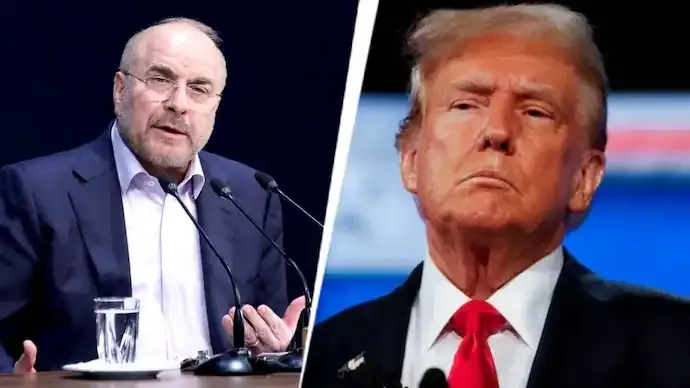

Tensions between the Iran and the United States have escalated further after recent diplomatic talks in Islamabad failed to produce a breakthrough.
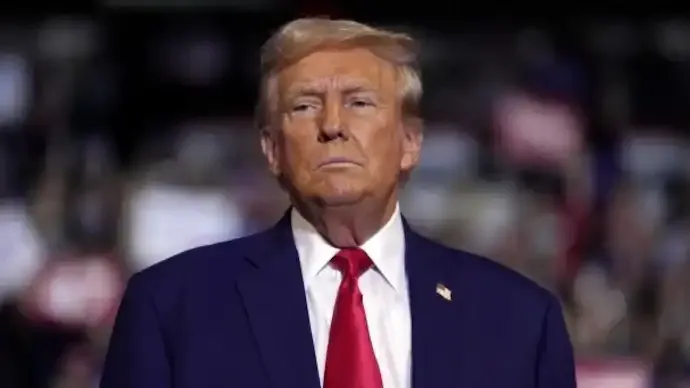
Mohammad Bagher Ghalibaf, who was part of the negotiations, issued a strong response to recent statements made by Donald Trump, warning that Iran would respond firmly to any aggressive actions.
Iran Rejects US Threats Over Hormuz Blockade
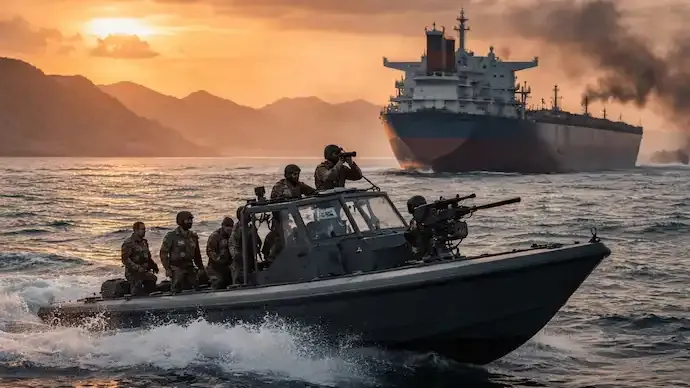
The sharp remarks come after Trump signaled plans to impose a blockade on ships entering or leaving the strategically vital Strait of Hormuz. The move has raised global concerns due to the region’s importance in international oil trade.

Ghalibaf dismissed these threats, stating that they would have no impact on Iran’s resolve or national interests.
Claims of Good Faith in Negotiations
Iranian leadership emphasized that it had entered the negotiations with genuine intent. According to Ghalibaf, Iran had presented constructive proposals aimed at achieving progress during the discussions.
He noted that the country demonstrated goodwill throughout the talks, even as tensions remained high.
“We Will Respond If Attacked”
In a direct message, the Iranian leadership made it clear that any confrontation would be met with a response. The statement reflects a firm stance amid increasing geopolitical pressure.
Such remarks indicate that Iran is prepared to counter any military or economic actions taken against it.
Escalating Tensions in the Region
The failure of talks has added to already heightened tensions in the Middle East. Recent developments, including military posturing and economic measures, have contributed to uncertainty in the region.
The situation is being closely monitored by global powers due to its potential impact on security and energy markets.
Global Concerns Over Oil Supply Routes
The Strait of Hormuz is one of the most critical oil transit routes in the world. Any disruption in this region could affect global oil supply and lead to price volatility.
Countries dependent on oil imports are particularly sensitive to developments in this area.
Diplomatic Path Remains Uncertain
With both sides adopting firm positions, the future of diplomatic engagement remains unclear. While dialogue remains a possibility, the current tone suggests a challenging path ahead.
A Critical Moment in US-Iran Relations
The latest exchange highlights the fragile nature of relations between Iran and the United States. As tensions continue to rise, the international community will be watching closely for signs of escalation or renewed efforts toward negotiation.



Conversation
Be kind and stay on topic. Comments are moderated; abuse, spam and personal attacks are removed. Report a problem