

Shopping cart
Your cart empty!
Terms of use dolor sit amet consectetur, adipisicing elit. Recusandae provident ullam aperiam quo ad non corrupti sit vel quam repellat ipsa quod sed, repellendus adipisci, ducimus ea modi odio assumenda.
Lorem ipsum dolor sit amet consectetur adipisicing elit. Sequi, cum esse possimus officiis amet ea voluptatibus libero! Dolorum assumenda esse, deserunt ipsum ad iusto! Praesentium error nobis tenetur at, quis nostrum facere excepturi architecto totam.
Lorem ipsum dolor sit amet consectetur adipisicing elit. Inventore, soluta alias eaque modi ipsum sint iusto fugiat vero velit rerum.
Sequi, cum esse possimus officiis amet ea voluptatibus libero! Dolorum assumenda esse, deserunt ipsum ad iusto! Praesentium error nobis tenetur at, quis nostrum facere excepturi architecto totam.
Lorem ipsum dolor sit amet consectetur adipisicing elit. Inventore, soluta alias eaque modi ipsum sint iusto fugiat vero velit rerum.

Dolor sit amet consectetur adipisicing elit. Sequi, cum esse possimus officiis amet ea voluptatibus libero! Dolorum assumenda esse, deserunt ipsum ad iusto! Praesentium error nobis tenetur at, quis nostrum facere excepturi architecto totam.
Lorem ipsum dolor sit amet consectetur adipisicing elit. Inventore, soluta alias eaque modi ipsum sint iusto fugiat vero velit rerum.
Sit amet consectetur adipisicing elit. Sequi, cum esse possimus officiis amet ea voluptatibus libero! Dolorum assumenda esse, deserunt ipsum ad iusto! Praesentium error nobis tenetur at, quis nostrum facere excepturi architecto totam.
Lorem ipsum dolor sit amet consectetur adipisicing elit. Inventore, soluta alias eaque modi ipsum sint iusto fugiat vero velit rerum.

Do you agree to our terms? Sign up
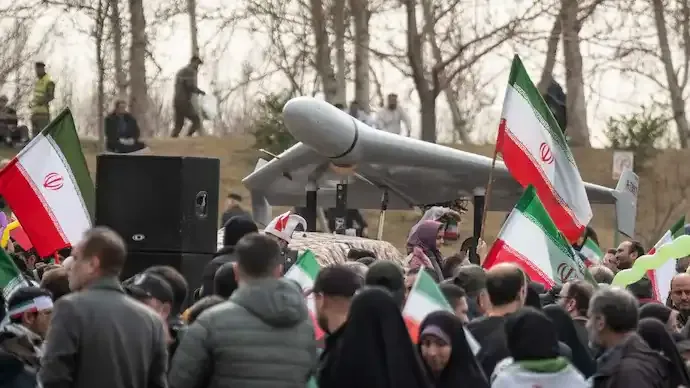
The ongoing conflict involving Iran has sparked a fresh debate about the relationship between Israel and the United States. Traditionally seen as closely aligned allies, recent developments have raised questions about whether Israel is acting independently in key military decisions.
The discussion has gained momentum following reports of specific strikes that appear to have been carried out without clear coordination.
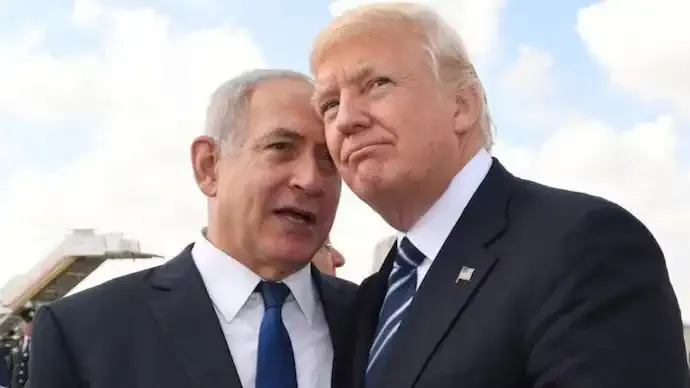
The partnership between the United States and Israel has long been considered one of the most stable strategic alliances in global politics. Leaders such as Donald Trump and Benjamin Netanyahu have maintained close diplomatic and military ties, reinforcing cooperation on regional security matters.
Joint actions, including coordinated strikes against Iran in recent years, have demonstrated this alignment.
However, recent developments have complicated this narrative. The reported targeting of key Iranian figures and strategic infrastructure, including gas facilities, has been viewed by some analysts as unilateral actions taken by Israel.
These operations have led to speculation that Israel may be pursuing its own strategic objectives, even if they differ from broader US priorities.
The idea that Israel may have “gone rogue” is being widely debated. Some experts argue that Israel’s actions are driven by immediate security concerns and the need to neutralize perceived threats quickly.
Others suggest that such moves could indicate a shift in how Israel approaches its military strategy, potentially acting with greater autonomy in high-stakes situations.
International alliances are rarely straightforward, especially during active conflicts. While countries may share common goals, their approaches and timelines can differ based on national interests.
In this case, Israel’s actions may reflect its urgency in addressing security risks, while the United States may be balancing broader geopolitical considerations.
Any perceived divergence between the US and Israel could have wider implications for stability in the Middle East. It may influence diplomatic efforts, military strategies, and the overall direction of the conflict involving Iran.
Such developments are closely watched by global powers, as they can reshape regional dynamics.
Despite the current debate, the core alliance between the US and Israel remains strong. However, situations like these highlight how even close allies may act independently when national security is at stake.
This balance between cooperation and autonomy is a defining feature of modern geopolitical relationships.
As the conflict continues, it remains unclear how the relationship between the US and Israel will evolve. Whether the recent actions represent a temporary divergence or a longer-term shift is yet to be seen.
For now, the situation underscores the complexity of global alliances in times of conflict and the challenges of maintaining unified strategies.
5
Published: 2h ago