
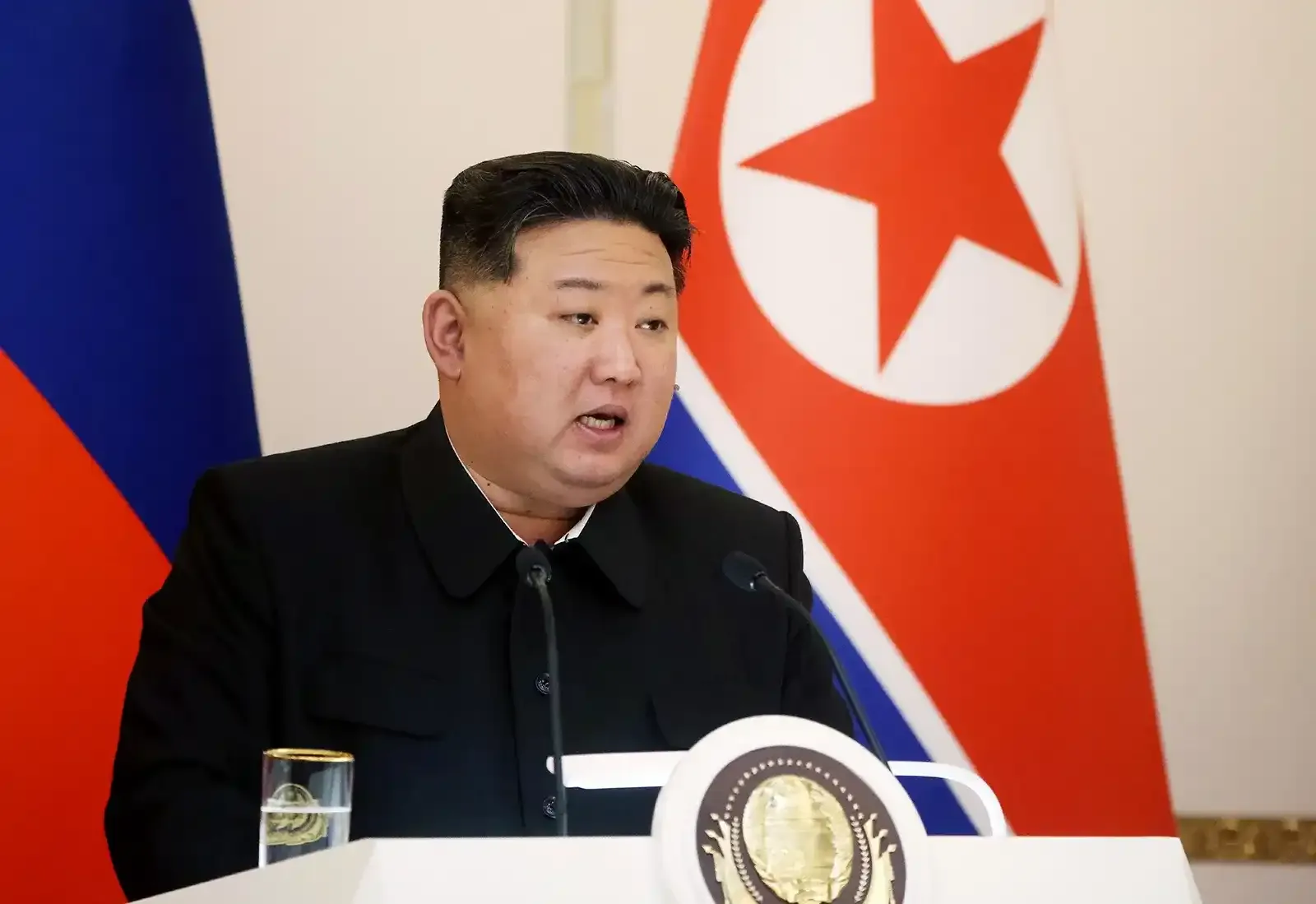
Tensions on the Korean Peninsula have intensified after North Korean leader Kim Jong Un supervised a fresh round of weapons tests while calling for a stronger offensive military posture. In response, South Korea announced plans to significantly expand its drone warfare capabilities, highlighting the growing security competition between the neighbouring countries.
The latest developments come amid stalled diplomatic efforts and continuing military modernisation on both sides of the border.
Kim Jong Un Calls for Stronger Offensive Capability
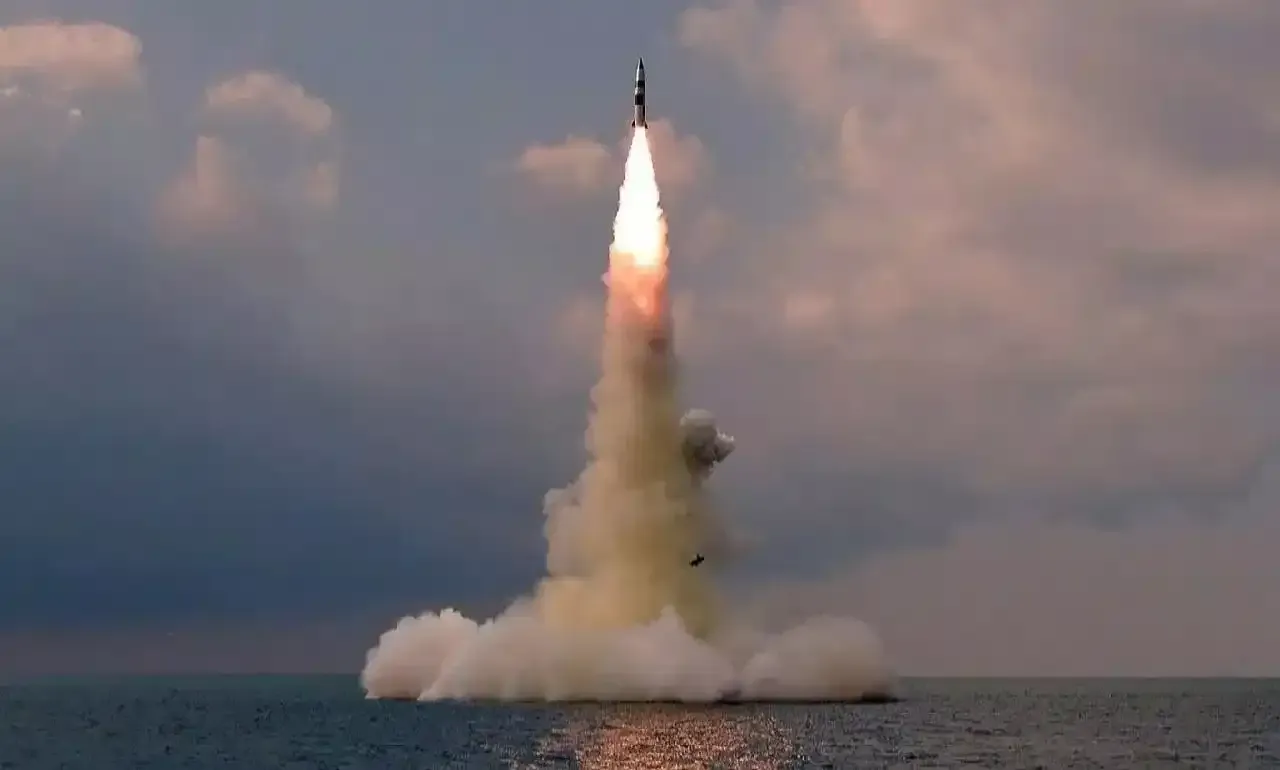
According to state media, Kim Jong Un personally oversaw recent weapons tests and urged the military to strengthen what he described as a more powerful and destructive offensive capability.
The latest tests form part of North Korea's broader efforts to modernise both its conventional and strategic military forces.
The country's leadership has repeatedly emphasised the need to enhance military readiness in response to what it views as external security threats.
South Korea Responds With Drone Expansion
Shortly after the North's latest military activities, South Korea announced plans to substantially strengthen its drone warfare capabilities.
The expansion is expected to include improvements in:
- Surveillance drones
- Reconnaissance systems
- Combat drone technology
- Intelligence gathering
- Border monitoring capabilities
Officials view unmanned aerial systems as an increasingly important part of modern military operations and national defence.
Military Competition Continues to Grow
The latest announcements reflect the continuing military competition between North and South Korea.
Both countries have invested heavily in advanced defence technologies in recent years, including missile systems, surveillance equipment and next-generation weapons.
The growing focus on drones and precision strike capabilities mirrors broader changes taking place in modern warfare across the world.
Diplomatic Talks Remain Stalled
The renewed military activity comes as diplomatic negotiations remain at a standstill.
North Korea has shown little interest in returning to dialogue with South Korea or the United States, while continuing to prioritise the development of its military capabilities.
The lack of diplomatic engagement has contributed to increased uncertainty over regional security.
Why the Korean Peninsula Remains Sensitive
The Korean Peninsula remains one of the world's most heavily militarised regions.
Although active fighting in the Korean War ended decades ago, the conflict concluded with an armistice rather than a formal peace treaty, leaving both countries technically still at war.
As a result, military exercises, weapons tests and defence upgrades are closely monitored by governments around the world.
Global Security Implications
Any escalation in tensions on the Korean Peninsula has implications beyond the region.
The United States maintains a significant military presence in South Korea, while neighbouring countries including Japan and China closely monitor developments because of their impact on regional stability and international security.
Analysts believe that continued military build-up without renewed diplomatic engagement could increase the risk of future confrontations.
Conclusion
North Korea's latest weapons tests and South Korea's decision to expand its drone capabilities underscore the continuing security challenges on the Korean Peninsula. With diplomatic talks remaining stalled, both countries are focusing on strengthening their military preparedness. As regional tensions persist, the international community will closely watch future developments and any opportunities for renewed dialogue.
FAQs
1. Why did Kim Jong Un oversee new weapons tests?
The North Korean leader is continuing efforts to strengthen the country's military capabilities and offensive readiness.
2. Why is South Korea expanding its drone force?
South Korea aims to improve surveillance, intelligence gathering and defence capabilities in response to evolving regional security threats.
3. Are talks between North Korea and South Korea ongoing?
No. Diplomatic discussions remain stalled, with no immediate signs of renewed negotiations.
4. Why is the Korean Peninsula strategically important?
The region remains heavily militarised, and tensions there have significant implications for regional and global security.
5. What role do drones play in modern warfare?
Military drones are widely used for surveillance, reconnaissance, intelligence collection and, in some cases, combat operations.
6. Could these developments increase regional tensions?
Military modernisation on both sides may contribute to higher tensions if not accompanied by diplomatic engagement and confidence-building measures.



Conversation
Be kind and stay on topic. Comments are moderated; abuse, spam and personal attacks are removed. Report a problem