

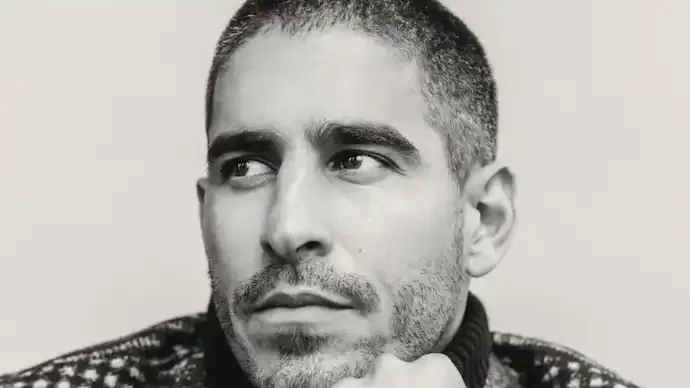

Authorities in Kuwait have detained Ahmed Shihab-Eldin, a US-Kuwaiti journalist, amid increasing restrictions on media activity during the ongoing Iran war.
According to reports, the journalist has not been seen publicly or posted online since early March, raising concerns about his status and safety.
Media Crackdown Intensifies During Conflict
The detention comes as Gulf nations tighten controls over media coverage related to the conflict involving Iran.

Authorities in the region are reportedly taking action against individuals:
- Filming or sharing conflict-related footage
- Posting content deemed sensitive or misleading
- Reporting on military developments
This reflects a broader effort to control information during heightened geopolitical tensions.
New Law Raises Concerns
Kuwait recently introduced a law on March 15 that includes strict provisions regarding information related to military institutions.
Key aspects of the law include:
- Prison terms of up to 10 years
- Penalties for spreading “false rumours”
- Focus on protecting confidence in military entities
The law has raised concerns among media watchdogs and press freedom advocates.
Watchdog Flags Case
The Committee to Protect Journalists has highlighted the case, stating that Shihab-Eldin has not been seen for several weeks.
The organisation has expressed concern over:
- Lack of public information about his detention
- Possible implications for press freedom
- Safety of journalists operating in the region
Press Freedom Under Pressure
The situation highlights growing challenges for journalists in conflict zones and regions with strict information controls.
Key concerns include:
- Restrictions on reporting
- Legal risks for journalists
- Reduced transparency during conflicts
Global Implications
The detention has drawn attention internationally, especially as it involves a journalist with ties to the United States.
It raises broader questions about:
- Media freedom in conflict situations
- Balance between national security and free press
- Protection of journalists worldwide
What Lies Ahead
Further clarity is expected as authorities respond to growing international attention on the case. Media organisations and human rights groups are likely to continue monitoring developments closely.



Conversation
Be kind and stay on topic. Comments are moderated; abuse, spam and personal attacks are removed. Report a problem