
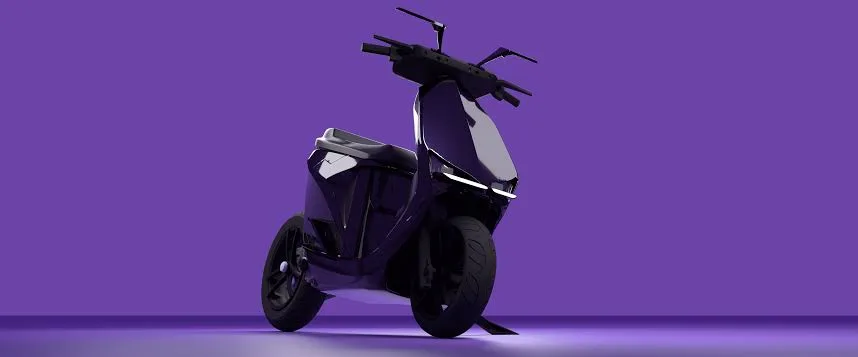
LAPA Electric is taking an engineering-focused approach to India's growing electric mobility market. Founded in 2021, the company was created around the idea that electric two-wheelers should be developed specifically for electric propulsion rather than adapting conventional petrol-powered designs.
Co-founder and Technical Director Raghuram Lakshmikanth and Co-founder and Chief of Electronics Pavan Kumar A lead the company's engineering efforts, combining experience across automotive manufacturing, electronics, data science and machine learning.
From a Servo Motor Experiment to EV Development
The company's origins can be traced to an experiment involving servo motors. An unexpected result prompted the founders to explore whether similar technology could have applications in electric vehicles.
That curiosity led to a broader examination of two-wheeler engineering, including vehicle structures, materials, electronics and powertrain design. The company subsequently focused on developing its own technical architecture rather than relying entirely on established industry approaches.
Modular Platforms and Lightweight Design
One of LAPA Electric's key development principles is the use of modular technology platforms that can potentially support different vehicle formats.
Its engineering work includes a carbon-composite monocoque chassis, modular powertrains and proprietary steering and structural concepts. The company says these systems can be adapted for applications including scooters, street bikes and dirt bikes.
The approach is intended to create a common engineering foundation that can support multiple products while maintaining design and performance objectives.
A Young Engineering Team
LAPA has also built its organisation around developing engineering talent. Rather than relying exclusively on experienced automotive professionals, the company has recruited young engineers and focused on training, mentorship and hands-on development.
Its engineers work with external mentors, technology partners and academic institutions while participating directly in prototyping and testing.
Focus on Lightweight Electric Performance
The company's LAPA X CB Pro is positioned around lightweight electric performance. LAPA describes the model as India's lightest electric two-wheeler in its segment while also highlighting its battery and powertrain specifications.
The company says its early prototypes were developed manually and refined through repeated testing and engineering iterations before production development.
Research and Future Mobility Applications
LAPA Electric operates from a facility in Electronics City, Bengaluru, where the company says it conducts research, works with advanced materials, assembles battery packs and integrates vehicles.
Its longer-term plans extend beyond electric two-wheelers to areas such as personal mobility and medical mobility.
The company's approach centres on developing mobility systems around lightweight construction, modular technology and integrated electronics. As India's electric vehicle sector expands, LAPA is attempting to differentiate itself through engineering depth and platform development rather than relying solely on rapid product launches.
Related: LAPA Electric





Conversation
Be kind and stay on topic. Comments are moderated; abuse, spam and personal attacks are removed. Report a problem