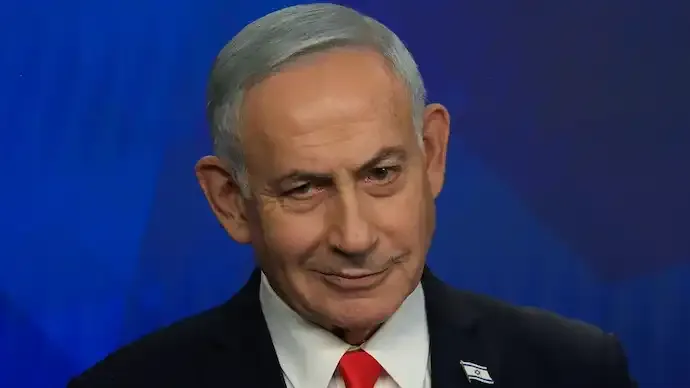
Israeli Prime Minister Benjamin Netanyahu has blamed what he described as a US-imposed arms embargo during the previous American administration for the deaths of Israeli soldiers during the war in Gaza, arguing that ammunition shortages on the battlefield led to avoidable casualties.
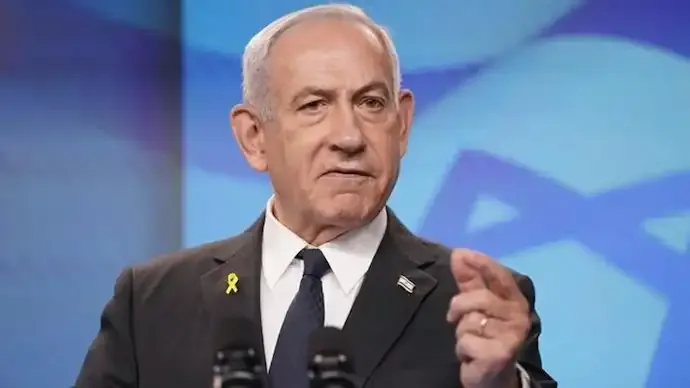
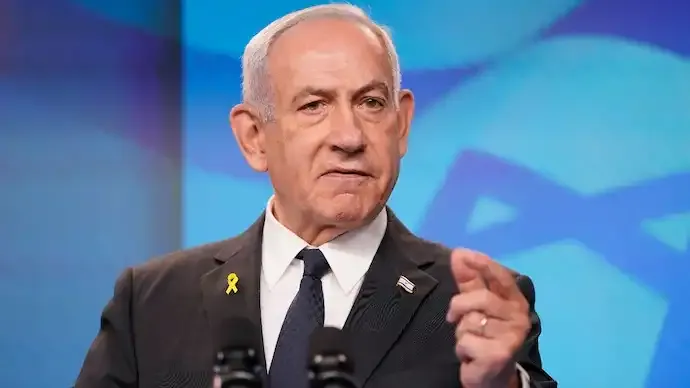
Speaking at a press conference, Netanyahu said Israel paid “very heavy prices” during its military campaign against Hamas, including the loss of soldiers’ lives. While acknowledging that casualties are an unavoidable reality of war, he maintained that some deaths could have been prevented had Israeli forces not faced shortages of critical military supplies.
“At a certain stage, we didn’t have enough ammunition,” Netanyahu said, claiming that the lack of supplies affected operational decisions on the ground. He did not specify when the shortages occurred or how many soldiers were impacted but asserted that the issue had tangible consequences during intense phases of the conflict.
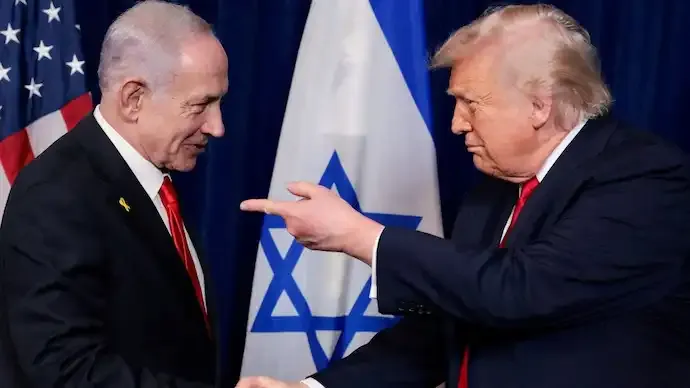
Although Netanyahu did not explicitly name the administration responsible, he indicated that the alleged restrictions ended only after Donald Trump returned to office. He has repeatedly accused the administration of former US President Joe Biden of limiting arms transfers to Israel during the Gaza war.
The Biden administration has consistently denied imposing a broad arms embargo, stating that military assistance to Israel continued throughout the conflict. US officials have acknowledged holding back only one specific shipment—2,000-pound bunker-buster bombs—citing concerns over their potential use in densely populated areas such as southern Gaza.
Despite those denials, Netanyahu said the restrictions had real consequences on the battlefield. Describing combat conditions in Gaza, he said Israeli troops were operating in areas that had already been subjected to heavy air and artillery strikes, only to encounter militants concealed in fortified and booby-trapped structures.
“Heroes fell,” Netanyahu said, arguing that some soldiers lacked the ammunition required to counter such threats effectively. He added that part of this shortage, in his view, stemmed directly from the arms embargo.
The Israeli leader said the experience had reinforced his determination to reduce Israel’s dependence on foreign military aid. He reiterated his long-term vision of building a stronger domestic arms industry to ensure Israel can sustain future conflicts without facing supply constraints.
Netanyahu said he wants to transition Israel’s defence relationship with the United States from one centred on aid to one based on partnership, focusing on joint weapons development and production. He added that similar cooperation could be expanded with other strategic partners, including India and Germany.
The remarks triggered swift pushback from former senior officials of the Biden administration. Amos Hochstein, a former top adviser, accused Netanyahu of misrepresenting the facts, saying the US had provided extensive military support to Israel during the conflict.
In public comments, Hochstein pointed to more than $20 billion in US military assistance, the deployment of American aircraft carriers to the region, and Washington’s role in helping Israel counter missile and drone attacks launched by Iran and its allies.
Another former senior official, Brett McGurk, also rejected Netanyahu’s claims, calling them categorically false.
The exchange has added a new layer of tension to the already complex US-Israel relationship, highlighting disagreements over wartime decision-making, arms transfers, and the future shape of bilateral defence cooperation. As Israel continues to assess the costs of the Gaza conflict, the debate over responsibility and military preparedness is likely to remain politically charged.