

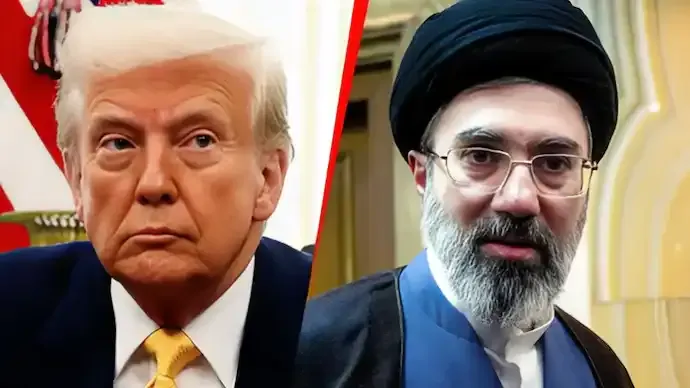
The United States is placing greater emphasis on economic sanctions against Iran as the Trump administration looks to achieve strategic objectives through financial pressure rather than continued military operations. The shift comes amid stalled diplomatic efforts, concerns over prolonged conflict and growing risks to global energy markets.
Officials believe tightening sanctions and restricting Iran's oil exports could increase pressure on Tehran to make concessions on its nuclear programme and ensure the uninterrupted flow of oil and gas through the Strait of Hormuz, one of the world's most critical energy routes.
US focuses on economic pressure after months of conflict
After months of military operations, the Trump administration is now prioritising financial measures as a key component of its Iran strategy.
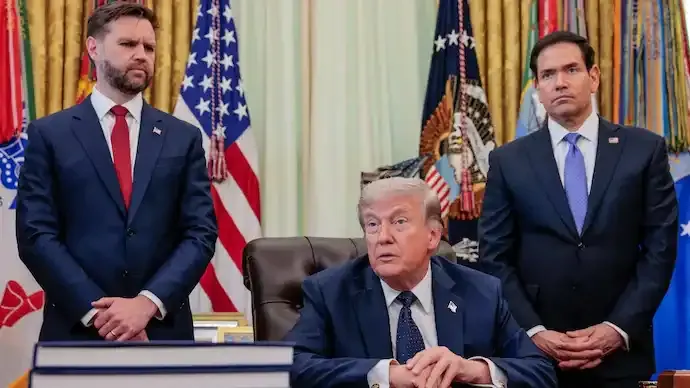
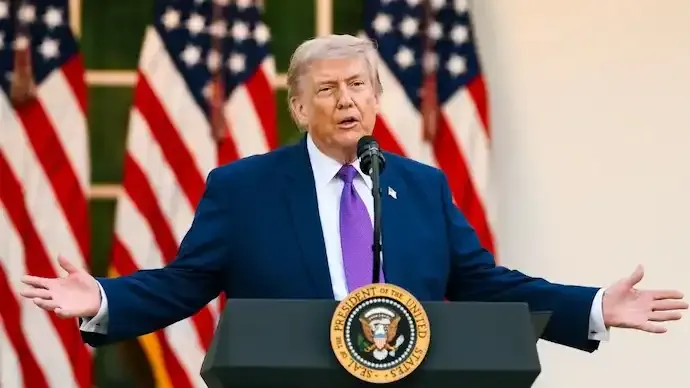
President Donald Trump said economic pressure could prove more effective than prolonged military action, arguing that Iran's weakening economy has reduced its ability to sustain the conflict. He maintained that further sanctions could force Tehran back to negotiations while also discouraging actions that disrupt global energy supplies.
The administration has indicated that future negotiations could also include demands for compensation from Iran, signalling a tougher negotiating position.
Strait of Hormuz remains central to global energy security
The Strait of Hormuz continues to play a pivotal role in the ongoing tensions.
Before the conflict, nearly one-fifth of the world's oil supply passed through the strategic waterway. Disruptions to shipping have fueled concerns over energy security, leading to volatility in global crude oil prices and raising fears of higher fuel costs worldwide.
Investors remain closely focused on developments in the region as any prolonged disruption could impact international oil markets, inflation and global economic growth.
Operation Economic Fury expands sanctions campaign
The White House has branded its latest sanctions initiative as Operation Economic Fury, describing it as a comprehensive effort to weaken Iran's financial capabilities.
The campaign includes stricter enforcement against Iranian oil exports, banking transactions and international business activities linked to Tehran. US officials have also suggested that countries purchasing Iranian oil could face secondary sanctions if restrictions are expanded further.
The administration believes limiting Iran's energy revenue will reduce its ability to finance strategic programmes and military activities.
Iran rejects US pressure strategy
Iran has dismissed Washington's latest sanctions campaign, arguing that economic pressure has repeatedly failed to achieve US policy objectives.
Iranian officials maintain that continued sanctions reduce opportunities for diplomatic engagement rather than encouraging negotiations. Tehran has continued to reject claims that increased financial restrictions will alter its strategic decisions.
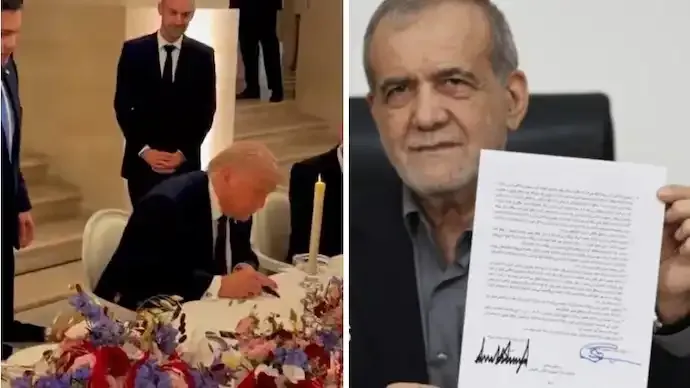
The exchange reflects the deep divide between both governments as diplomatic talks remain at a standstill.
Experts question effectiveness of sanctions
Foreign policy analysts remain divided over whether additional sanctions alone can deliver meaningful results.
Some experts argue that economic pressure requires significant time before influencing government policy, while others believe sanctions are most effective when accompanied by clearly defined diplomatic objectives.
Analysts also note that uncertainty surrounding Washington's long-term strategy could limit the effectiveness of the current approach.
Iran's economy remains under severe pressure
The conflict and existing sanctions have placed considerable strain on Iran's economy.
Economic indicators point to slowing growth, high inflation and declining oil exports. Reduced energy shipments have weakened one of the country's primary revenue sources, increasing pressure on government finances.
The US administration believes these economic challenges could eventually push Tehran toward renewed negotiations if sanctions continue to tighten.
Global economic impact remains a concern
The ongoing tensions are also influencing the global economy.
Higher oil prices have contributed to inflationary pressures in several countries, including the United States, where rising fuel costs have become a political issue. Businesses and investors continue to monitor developments in the Middle East due to their potential impact on energy markets, supply chains and international trade.
The administration now appears to be combining military deterrence, naval deployments and financial sanctions in an effort to increase pressure on Iran while avoiding a broader escalation of the conflict.
Key Highlights
- The Trump administration is shifting its focus from military operations to tougher economic sanctions against Iran.
- Washington believes financial pressure can push Iran toward concessions on its nuclear programme.
- The Strait of Hormuz remains a key concern due to its importance in global oil transportation.
- The White House has launched a sanctions campaign called Operation Economic Fury.
- Expanded sanctions could target countries purchasing Iranian oil.
- Iran has rejected the latest US strategy, saying sanctions have repeatedly failed.
- Experts remain divided over whether economic pressure alone can achieve US objectives.
- Rising geopolitical tensions continue to influence global oil prices and inflation.
FAQs
1. Why is the US shifting from military action to sanctions against Iran?
The Trump administration believes stronger economic pressure may be more effective in influencing Iran's policies while reducing prolonged military engagement.
2. What is Operation Economic Fury?
Operation Economic Fury is the latest US sanctions campaign aimed at increasing financial pressure on Iran through restrictions on oil exports, banking and international trade.
3. Why is the Strait of Hormuz important?
The Strait of Hormuz is one of the world's busiest energy corridors, carrying a significant share of global oil and natural gas shipments.
4. How could new sanctions affect Iran?
Additional sanctions could reduce Iran's oil revenue, increase economic pressure and limit access to international financial markets.
5. How has Iran responded to the latest US sanctions?
Iran has rejected the strategy, arguing that economic sanctions have consistently failed to change its policies.
6. Could the sanctions affect global oil prices?
Yes. Any disruption to Iranian oil exports or shipping through the Strait of Hormuz can contribute to higher crude oil prices and fuel inflation.
7. Are diplomatic talks between the US and Iran continuing?
Negotiations remain stalled, with both sides maintaining firm positions on key issues.
8. What challenges does the Trump administration face?
The administration must balance geopolitical objectives while managing inflation, energy prices and domestic political concerns.
9. How is Iran's economy performing?
Iran continues to face high inflation, slowing economic growth and reduced oil export revenues amid ongoing sanctions.
10. What is the broader goal of the US strategy?
Washington aims to pressure Iran into limiting its nuclear activities, reducing regional tensions and ensuring stable global energy supplies.

Conversation
Be kind and stay on topic. Comments are moderated; abuse, spam and personal attacks are removed. Report a problem