
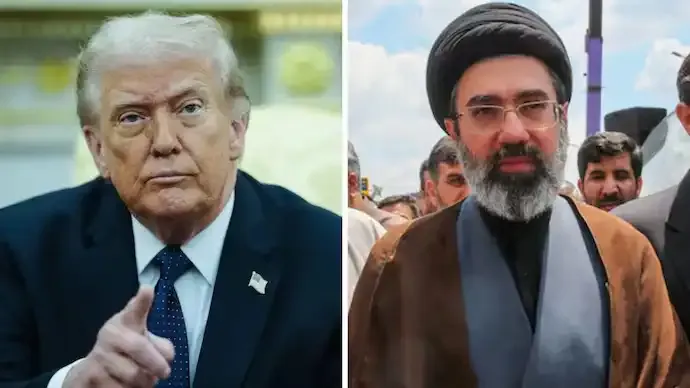
The latest round of indirect US-Iran talks in Doha concluded with cautious optimism after negotiators reported progress on implementing parts of an earlier memorandum of understanding (MoU). Although the discussions stopped short of resolving the biggest disputes between Washington and Tehran, both sides agreed on several confidence-building measures aimed at reducing tensions in the Middle East.
Held over two days in Qatar, the negotiations focused primarily on restoring maritime security in the Strait of Hormuz, addressing Iran's frozen financial assets, and strengthening mechanisms to preserve the current ceasefire. However, difficult issues such as Iran's nuclear programme and US sanctions remain unresolved.
What Was Agreed During the Doha Talks?
While negotiators did not announce a comprehensive peace agreement, the discussions produced several practical outcomes designed to improve communication and reduce the risk of renewed conflict.
1. Partial Release of Frozen Iranian Funds
One of the most significant developments was an understanding on the partial release of frozen Iranian assets.
According to Iranian officials, the funds will be released in phases under agreed mechanisms, with spending expected to focus on approved domestic priorities. The issue has long been one of Tehran's major demands in negotiations with Washington.
2. Dedicated Communication Channel
The two sides also agreed to establish a communication channel to address complaints related to ceasefire implementation.
The mechanism is intended to:
- Report alleged violations.
- Prevent misunderstandings.
- Enable quicker diplomatic engagement.
- Reduce the risk of military escalation.
Officials described the measure as an important confidence-building step.
3. Maritime Security in the Strait of Hormuz
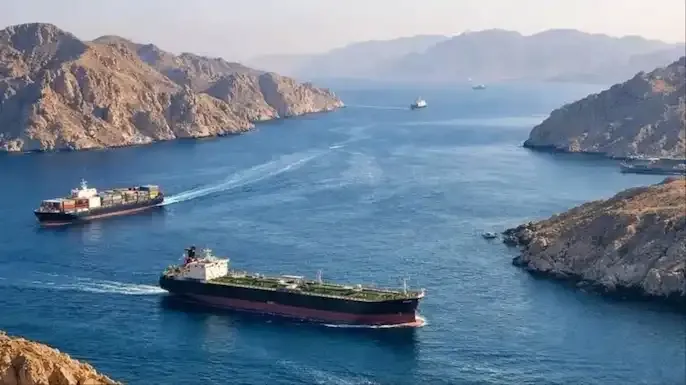
Restoring safe commercial navigation through the Strait of Hormuz remained one of the central issues discussed.
The waterway carries a significant share of global energy exports, making uninterrupted shipping a priority for both regional and international markets.
Despite diplomatic progress, maritime organisations continue to classify the Strait as a high-risk operating area because of ongoing security concerns.
What Issues Remain Unresolved?
Although the latest discussions produced measurable progress, negotiators acknowledged that several of the most difficult issues remain outstanding.
These include:
- Iran's nuclear programme.
- Future sanctions relief.
- Long-term security guarantees.
- Broader regional military tensions.
Neither delegation indicated that a breakthrough had been achieved on these larger strategic questions.
Why the Talks Matter
The Doha negotiations represent another effort to preserve the fragile truce reached in recent weeks.
Diplomatic observers believe even limited agreements can:
- Reduce immediate military tensions.
- Improve communication.
- Build trust for future negotiations.
- Protect international shipping routes.
- Create conditions for broader political discussions.
While the current outcomes are modest, they provide a framework for continued dialogue.
Qatar's Role as Mediator
Qatar continues to play a central role in facilitating indirect communication between Washington and Tehran.
Rather than holding direct negotiations, mediators relay proposals and responses between the two delegations, helping maintain diplomatic engagement despite continuing disagreements.
Impact on Global Markets
The progress reported in Doha has also attracted attention from financial and energy markets.
Any improvement in security around the Strait of Hormuz could help stabilise:
- Global oil supplies.
- Shipping operations.
- Insurance costs.
- Regional trade.
However, analysts caution that uncertainty remains until broader agreements are reached.
What Happens Next?
Officials from both countries indicated that discussions are expected to continue.
Future rounds are likely to focus on:
- Implementing current agreements.
- Monitoring the ceasefire.
- Expanding humanitarian measures.
- Addressing nuclear negotiations.
- Exploring sanctions-related issues.
Diplomatic efforts are expected to continue through indirect channels in the coming weeks.
Featured Snippet
The latest US-Iran Doha talks resulted in progress on the partial release of frozen Iranian funds, the creation of a communication channel for ceasefire disputes and discussions on maritime security in the Strait of Hormuz. However, key disagreements over Iran's nuclear programme and sanctions remain unresolved.
Key Highlights
- US and Iran concluded two days of indirect talks in Doha.
- Both sides reported progress on implementing an earlier agreement.
- Partial release of frozen Iranian funds was discussed.
- A communication mechanism will address ceasefire disputes.
- Maritime security in the Strait of Hormuz remained a priority.
- Nuclear negotiations and sanctions remain unresolved.
- Qatar continues to mediate between Washington and Tehran.
- Further rounds of negotiations are expected.
Conclusion
The latest Doha negotiations demonstrate that both the United States and Iran remain committed to diplomatic engagement despite continuing disagreements. Although the talks did not produce a comprehensive peace agreement, progress on frozen assets, communication mechanisms and maritime security reflects a willingness to preserve the current ceasefire and reduce regional tensions. Whether this momentum can eventually lead to broader agreements on sanctions and the nuclear programme will depend on future rounds of negotiations.
FAQs
1. What was the main outcome of the Doha talks?
The talks produced progress on frozen Iranian funds, a communication channel for ceasefire disputes and maritime security discussions.
2. Were the talks held directly between the US and Iran?
No. The negotiations were conducted indirectly through Qatari mediation.
3. What are frozen Iranian funds?
These are Iranian financial assets held abroad that have remained restricted under various sanctions and legal arrangements.
4. Why is the Strait of Hormuz important?
It is one of the world's busiest energy shipping routes and is critical for global oil supplies.
5. Was there an agreement on Iran's nuclear programme?
No. Nuclear negotiations remain unresolved and are expected to continue in future rounds.
6. What is the purpose of the new communication channel?
It is intended to address ceasefire-related disputes and reduce the risk of misunderstandings.
7. Are US sanctions on Iran being lifted?
No comprehensive sanctions agreement was announced during the latest talks.
8. Will more negotiations take place?
Yes. Both sides are expected to continue indirect diplomatic discussions.


Conversation
Be kind and stay on topic. Comments are moderated; abuse, spam and personal attacks are removed. Report a problem