
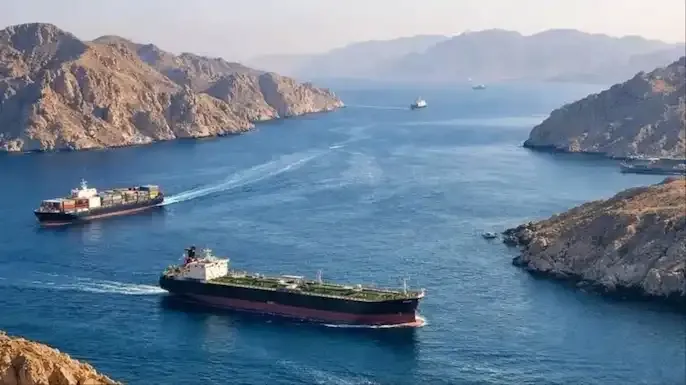
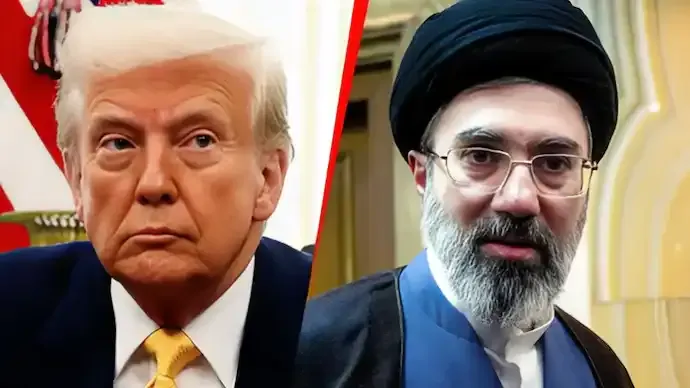
Fresh diplomatic efforts between the United States and Iran have shown encouraging signs after indirect negotiations in Doha, Qatar, recorded positive progress on several key issues, including maritime security, ceasefire implementation, regional stability and humanitarian measures. The discussions represent the latest attempt to prevent renewed military escalation in the Middle East following weeks of heightened tensions.
The negotiations, facilitated by Qatar and Pakistan, are centred on implementing a previously agreed interim framework while laying the groundwork for broader discussions on Iran's nuclear programme and long-term regional security. Officials from both sides have expressed cautious optimism, although significant issues remain unresolved.
Positive Progress Reported After Latest Round of Talks
Qatari officials said the latest round of indirect negotiations produced "positive progress" on several aspects of the existing diplomatic framework.
The discussions focused on practical implementation of previously agreed commitments rather than direct political negotiations. Mediators held separate meetings with the American and Iranian delegations, aiming to narrow differences on sensitive issues affecting regional security and commercial navigation. Another round of talks is expected after the conclusion of funeral ceremonies for Iran's late Supreme Leader.
Strait of Hormuz Remains Central to Negotiations
One of the primary issues under discussion is the future of commercial shipping through the Strait of Hormuz, one of the world's most strategically important maritime routes for global energy supplies.
Despite ongoing diplomatic engagement, the International Transport Workers' Federation (ITF) and the Joint Negotiating Group (JNG) have extended the designation of the Strait of Hormuz as a "Warlike Operations Area" until July 9.
Under existing maritime labour agreements, seafarers operating in the region will continue receiving enhanced compensation because of elevated security risks.
Frozen Assets and Communication Mechanism Discussed
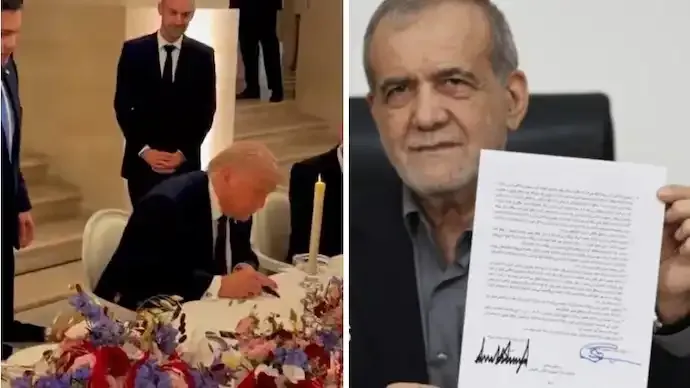
Iranian officials said discussions also addressed the partial release of Iranian frozen assets and mechanisms for implementing the existing memorandum of understanding.
Among the reported developments:
- Plans to establish a dedicated communication channel between the two sides.
- Discussions regarding the phased release of frozen Iranian funds.
- Monitoring arrangements for implementation of agreed commitments.
- Mechanisms for reporting possible violations.
Iran indicated that some of the released funds could be used to purchase essential goods based on domestic needs.
US Signals Continued Preference for Diplomacy
Senior US officials projected optimism about the negotiations while maintaining that diplomatic engagement remains the preferred path.
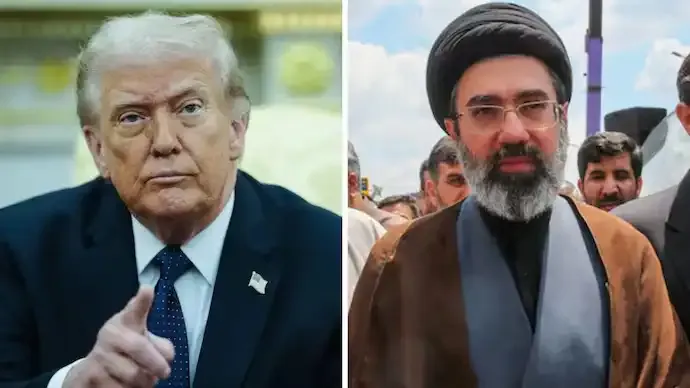
Vice President JD Vance described the talks as progressing well and reiterated that the United States would continue pursuing diplomatic solutions whenever possible.
President Donald Trump also expressed confidence about the direction of negotiations, saying progress was being made while emphasizing that Washington remained committed to preventing further conflict.
Iran Reaffirms Position on Strait of Hormuz
Iran has maintained that the Strait of Hormuz falls within its area of responsibility and has rejected external proposals that it believes undermine its legal position.
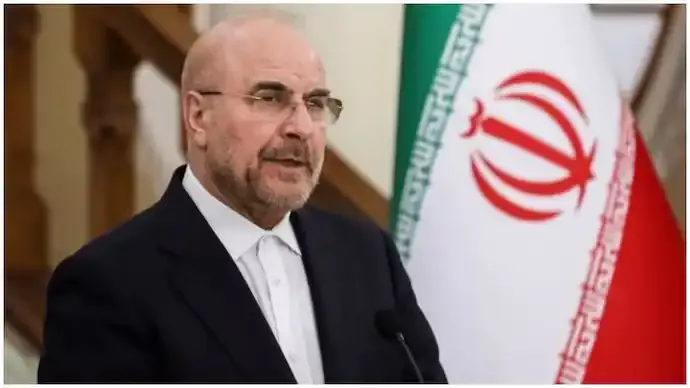
Iranian Deputy Foreign Minister Kazem Gharibabadi criticized regional security discussions held outside the current negotiation framework and reaffirmed Tehran's position regarding maritime security in the Persian Gulf.
Iran also raised concerns about what it described as violations of earlier commitments and regional military deployments during meetings with mediators.
Nuclear Negotiations Expected in Future Phase
Although the current discussions primarily focus on confidence-building measures and implementation of existing agreements, broader negotiations involving Iran's nuclear programme are expected in subsequent rounds.
Diplomatic observers believe successful implementation of interim arrangements could create conditions for more comprehensive discussions on nuclear issues and long-term regional security.
Regional Stability Remains a Shared Priority
Beyond bilateral issues, the negotiations also touch upon wider regional concerns.
Diplomatic efforts continue alongside discussions involving Lebanon and other regional flashpoints, reflecting attempts to reduce tensions across West Asia.
Officials view sustained dialogue as an important step toward preventing further military escalation and protecting international trade routes that pass through the Gulf region.
Why the Strait of Hormuz Matters
The Strait of Hormuz remains one of the world's most strategically significant waterways.
It serves as:
- A major global oil shipping route.
- A key corridor for international trade.
- A critical maritime passage connecting the Persian Gulf to global markets.
- An essential route for energy exports from Gulf nations.
Any disruption in the waterway can significantly affect global energy prices, shipping operations and international trade.
What Happens Next?
The next round of indirect negotiations is expected after the completion of official ceremonies in Iran.
Diplomatic attention will remain focused on:
- Implementation of interim agreements.
- Maritime security.
- Ceasefire monitoring.
- Future nuclear negotiations.
- Confidence-building measures.
While meaningful differences remain, both sides have indicated their willingness to continue diplomatic engagement.
Featured Snippet
The United States and Iran have reported positive progress after indirect peace talks in Doha focused on the Strait of Hormuz, ceasefire implementation, frozen assets and regional security. Mediated by Qatar and Pakistan, the discussions are expected to continue as both sides prepare for broader negotiations on Iran's nuclear programme.
Key Highlights
- US and Iran held indirect diplomatic talks in Doha.
- Qatar reported positive progress during the negotiations.
- Strait of Hormuz remains a key focus of discussions.
- The waterway will remain designated a "Warlike Operations Area" until July 9.
- Talks also covered frozen Iranian assets and implementation mechanisms.
- Future discussions are expected to address Iran's nuclear programme.
- Both sides signalled continued interest in diplomatic engagement.
- Qatar and Pakistan are mediating the negotiations.
Conclusion
The latest round of US-Iran negotiations represents another important diplomatic effort to stabilise the Middle East following weeks of heightened tensions. While major challenges remain, progress on maritime security, implementation mechanisms and confidence-building measures indicates that both sides continue to prioritise dialogue over confrontation. The coming rounds of negotiations are expected to determine whether this momentum can be translated into a broader and more durable regional agreement.
FAQs
1. Where are the US-Iran peace talks taking place?
The indirect negotiations are being held in Doha, Qatar, with mediation from Qatar and Pakistan.
2. What are the main issues under discussion?
The talks focus on the Strait of Hormuz, ceasefire implementation, frozen assets, regional security and future nuclear negotiations.
3. Is the Strait of Hormuz still considered a high-risk area?
Yes. It remains designated as a "Warlike Operations Area" until July 9 under current maritime labour arrangements.
4. Are the US and Iran holding direct talks?
No. The negotiations are being conducted indirectly through mediators.
5. What progress has been reported?
Officials said discussions showed positive progress on implementing existing agreements and establishing communication mechanisms.
6. Will nuclear issues be discussed?
Yes. Broader negotiations on Iran's nuclear programme are expected in future rounds.
7. Why is the Strait of Hormuz important?
It is one of the world's busiest energy shipping routes and plays a vital role in global trade and oil supplies.
8. When will the next round of talks take place?
Another round of negotiations is expected after the conclusion of official funeral ceremonies in Iran.

Conversation
Be kind and stay on topic. Comments are moderated; abuse, spam and personal attacks are removed. Report a problem