

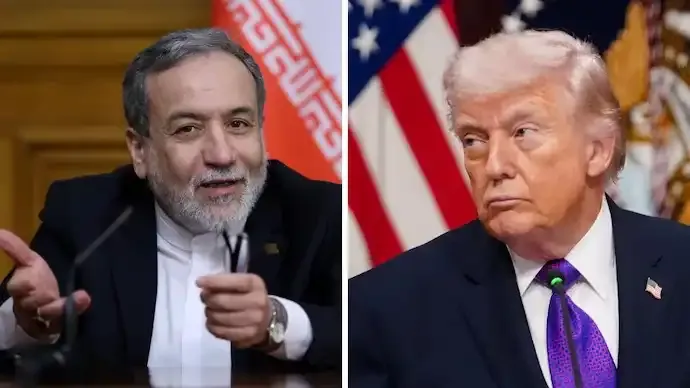

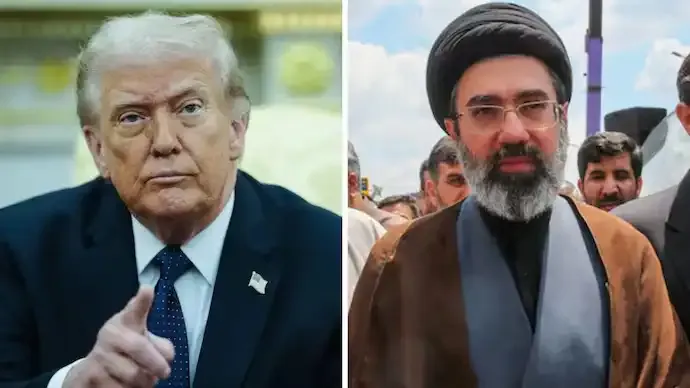
Iran has rejected US President Donald Trump's claim that Tehran requested fresh negotiations with Washington, insisting it made no such approach and warning that any future violations of their June 17 memorandum of understanding (MoU) would be met with a reciprocal response.
The exchange marks the latest escalation in already strained US-Iran relations, with both sides accusing each other of violating commitments made under the June agreement.
Iran Says It Never Requested Fresh Negotiations
Iranian Foreign Ministry spokesperson Esmaeil Baqaei dismissed Trump's assertion that Tehran had sought to resume talks with the United States.

Speaking to Iran's state broadcaster IRIB, Baqaei said Iran had "made no request for negotiations with the United States."
According to him, Tehran only accepted an invitation from a regional mediator to discuss recent developments, with consultations taking place in Mashhad.
He reiterated that Iran's diplomatic approach remains based on the principle of "commitment for commitment," stressing that any US violation of the memorandum would receive an equivalent response.
Tehran Accuses Washington of Breaching June Memorandum
Iran alleged that the United States has repeatedly violated the 14-point memorandum signed on June 17.
Baqaei claimed recent US military strikes conducted earlier this week breached provisions that called for an end to military operations.
He also accused Washington of having a history of breaking international commitments, citing the US withdrawal from the 2015 nuclear agreement in 2018 as an example.
Foreign Minister Araghchi Demands Mutual Compliance
Iranian Foreign Minister Abbas Araghchi reinforced the government's position in a statement posted on X.
He said Iran had fulfilled its obligations under the memorandum while accusing the US Treasury Secretary of violating one of its provisions.
"There can only be mutual compliance," Araghchi wrote, arguing that agreements can only survive if both parties honour their commitments.
Trump Claims Iran Wanted Talks
The Iranian response came after Trump posted on Truth Social claiming that Iran had approached Washington to continue negotiations.
According to Trump, the United States agreed to discussions but also informed Tehran that the ceasefire arrangement was effectively over.
However, the US president did not provide details regarding the alleged communication or the specific ceasefire framework referenced in his statement.
Fresh Military Warning Raises Tensions
Trump also issued a fresh warning, stating that the United States had significant military assets prepared in the event Iran attempted to target a sitting US president.
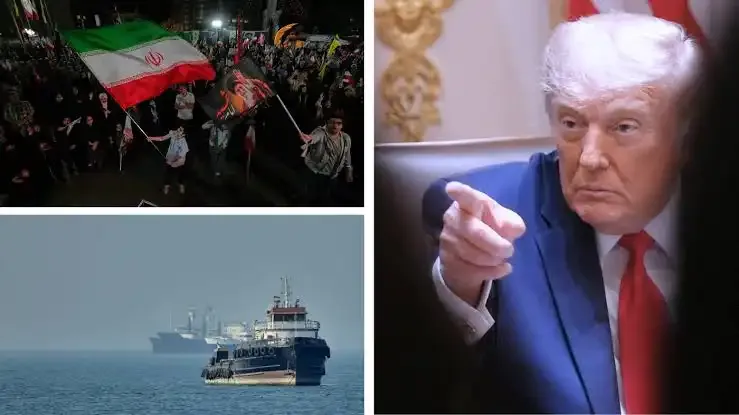
The comments followed recent military exchanges linked to attacks on commercial vessels in the Strait of Hormuz, an incident for which Washington blamed Tehran. Iran has denied responsibility and rejected the allegations.
The latest exchange has further complicated already fragile diplomatic efforts, with both governments continuing to accuse each other of violating understandings reached in June.
Featured Snippet
Iran has denied Donald Trump's claim that it requested fresh negotiations with the United States, accusing Washington of violating the June 17 memorandum of understanding and warning that any future breaches would receive a reciprocal response.
Key Highlights
- Iran rejected Donald Trump's claim that it sought fresh talks with the United States.
- Tehran said it only held consultations through a regional mediator.
- Iran accused Washington of repeatedly violating the June 17 memorandum.
- Foreign Minister Abbas Araghchi called for "mutual compliance" with the agreement.
- Trump also issued fresh military warnings amid rising US-Iran tensions.
- The diplomatic dispute follows recent military incidents in the Strait of Hormuz.
Conclusion
The latest exchange underscores the fragile state of US-Iran relations despite recent diplomatic efforts. While Tehran insists it remains committed to agreements based on mutual compliance, both sides continue to accuse each other of violating the June memorandum, leaving prospects for renewed negotiations uncertain amid escalating rhetoric and regional security concerns.
FAQs
1. Why did Iran reject Donald Trump's claim?
Iran said it never requested fresh negotiations with the United States and stated that only consultations through a regional mediator had taken place.
2. What is the June 17 memorandum?
It is a 14-point memorandum of understanding aimed at reducing tensions and promoting stability between the United States and Iran.
3. What did Iran accuse the US of?
Iran alleged that Washington repeatedly violated the June memorandum through recent military actions and other commitments.
4. What did Abbas Araghchi say?
Iran's foreign minister said agreements require "mutual compliance" and accused the United States of breaching its obligations.
5. Why are US-Iran tensions rising again?
Recent military incidents, conflicting claims over diplomatic talks, and accusations of violating the June agreement have increased tensions between the two countries.
6. What did Trump say about Iran?
Trump claimed Iran wanted to continue negotiations with the US and also issued a warning that America was prepared to respond militarily to any threats against a sitting US president.





Conversation
Be kind and stay on topic. Comments are moderated; abuse, spam and personal attacks are removed. Report a problem