
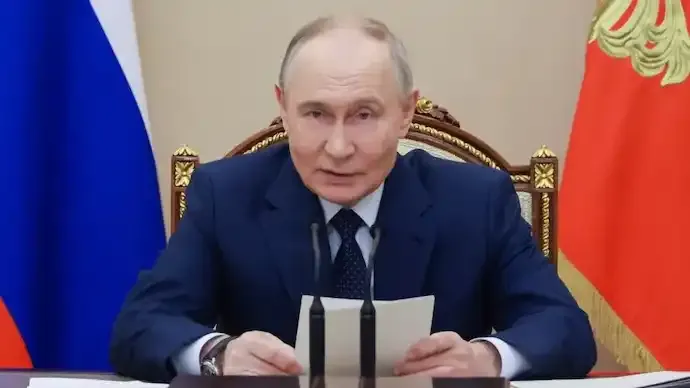
Russian President Vladimir Putin has acknowledged that repeated Ukrainian strikes on Russian energy infrastructure have created fuel shortages and operational challenges in parts of the country. However, he insisted that the situation remains under control and does not pose a critical threat to Russia's overall stability.
The remarks come as the conflict between Russia and Ukraine continues into another year, with both sides increasingly targeting strategic infrastructure as part of their military campaigns.
Featured Snippet
Russian President Vladimir Putin has said Ukrainian drone attacks on Russian energy facilities have caused fuel shortages and logistical challenges. While acknowledging the impact of the strikes, he stated that the situation is manageable and that Russia will continue addressing the disruptions.
Key Highlights
- Vladimir Putin acknowledged fuel shortages caused by Ukrainian strikes.
- Russian energy infrastructure has faced repeated drone attacks.
- Putin said the situation remains "not critical."
- Energy facilities have become major targets during the ongoing conflict.
- The war continues to affect infrastructure, logistics and energy security.
Putin Acknowledges Challenges
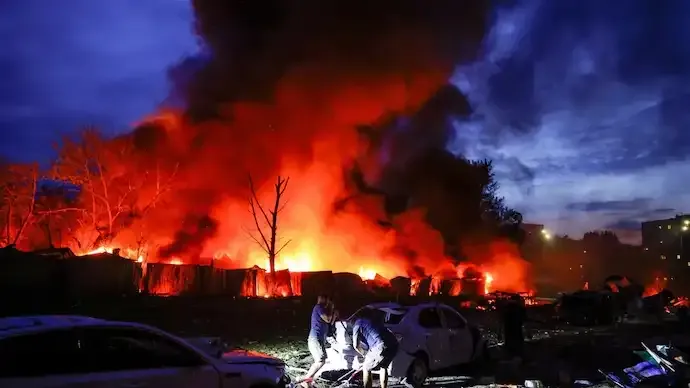
Speaking in remarks published by the Kremlin, Vladimir Putin admitted that attacks on Russian territory, particularly against energy infrastructure, have resulted in practical difficulties.
He said the repeated strikes had disrupted parts of the country's fuel supply system and created logistical challenges. Despite these issues, Putin maintained that Russia has the capacity to overcome the problems and continue operating normally.
His comments mark one of the clearest acknowledgements by Russian leadership of the impact Ukrainian strikes have had on domestic infrastructure.
Why Energy Facilities Are Being Targeted
Since the conflict escalated, energy infrastructure has become an increasingly important target for both sides.
Oil refineries, fuel storage facilities, power stations and logistics networks are considered strategically significant because they support military operations, transportation and industrial production.
Disrupting these facilities can affect fuel distribution, electricity generation and overall economic activity.
Impact on Russia's Fuel Supply
Damage to energy infrastructure can temporarily interrupt fuel production and distribution, leading to regional shortages or logistical delays.
Authorities generally respond by redirecting supplies, repairing damaged facilities and adjusting transportation networks to minimise disruption.
While Putin acknowledged that shortages have occurred, he emphasised that they are being managed and have not developed into a nationwide crisis.
The Broader Russia-Ukraine Conflict
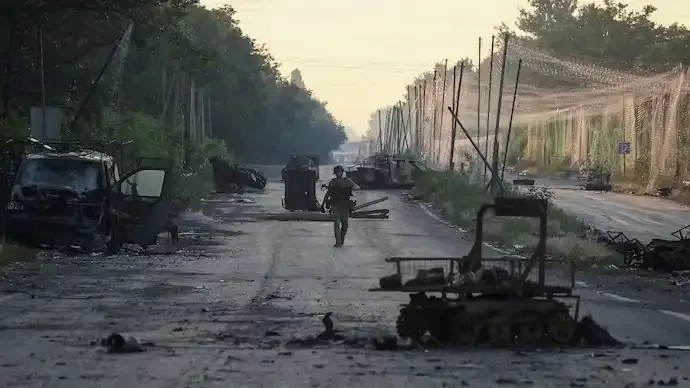
The war between Russia and Ukraine has increasingly expanded beyond front-line fighting, with both countries targeting strategic military and infrastructure assets.
Drone technology has become a major feature of the conflict, allowing long-range strikes on critical facilities far from active battle zones.
These developments have raised concerns about energy security, economic stability and the long-term impact of infrastructure damage on both countries.
Global Implications
Russia remains one of the world's major energy producers, making any disruption to its energy infrastructure closely watched by global markets.
Although domestic fuel shortages do not necessarily affect international supplies immediately, prolonged disruptions could influence energy prices, export capacity and broader geopolitical developments.
Governments and energy analysts continue to monitor the situation for any signs of wider economic impact.
What Happens Next?
As the conflict continues, both Russia and Ukraine are expected to maintain efforts to protect critical infrastructure while attempting to disrupt each other's strategic capabilities.
The condition of Russia's energy facilities and fuel supply network will remain an important factor in assessing the ongoing effects of the war.
Conclusion
Vladimir Putin's acknowledgement that Ukrainian strikes have caused fuel shortages highlights the growing impact of infrastructure attacks during the Russia-Ukraine conflict. While Russian authorities insist the situation is manageable, the continued targeting of energy facilities underscores the evolving nature of the war and its broader economic and geopolitical consequences.
FAQs
1. What did Vladimir Putin say about fuel shortages?
He acknowledged that Ukrainian strikes on energy infrastructure have created fuel shortages and logistical challenges but said the situation is not critical.
2. What infrastructure has been targeted?
According to Russian officials, energy facilities and other strategic infrastructure have been repeatedly targeted by Ukrainian drone strikes.
3. Why are energy facilities important in the conflict?
They support fuel production, transportation, electricity generation and military logistics, making them strategic targets.
4. Has Russia declared a fuel crisis?
No. Putin stated that while there are challenges, the situation remains under control.
5. Could the attacks affect global energy markets?
Extended disruptions to Russian energy infrastructure could influence global energy markets, although the overall impact depends on several economic and geopolitical factors.
6. Why are drone attacks becoming more common?
Drones enable long-range precision strikes against strategic targets while reducing the need for direct military engagement.


Conversation
Be kind and stay on topic. Comments are moderated; abuse, spam and personal attacks are removed. Report a problem