

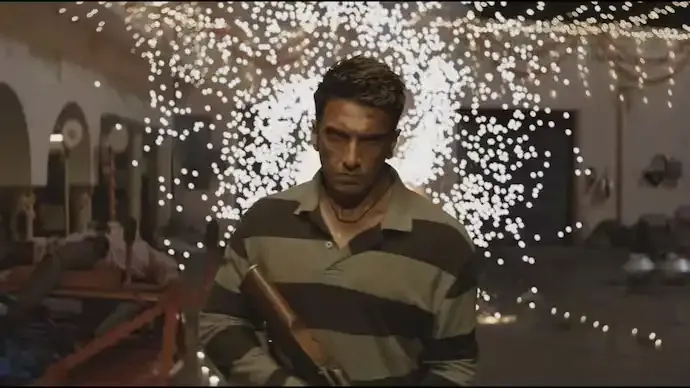
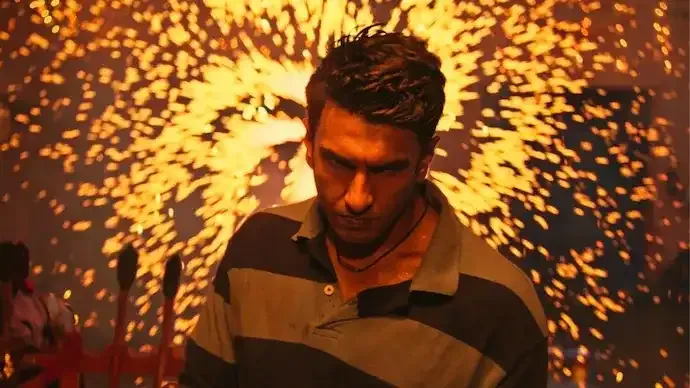
Indian cinema is witnessing a clear shift in storytelling, where villains are no longer mere obstacles for heroes but central forces shaping the narrative. Characters like Rehman Dakait in Dhurandhar, Abrar in Animal, and Rukma in The Family Man Season 3 are increasingly dominating conversations, often eclipsing the protagonists themselves.
For decades, Hindi films followed a moral binary where heroes embodied righteousness and villains existed solely to be defeated. That structure is now giving way to layered antagonists driven by ideology, emotion and inner conflict. These characters are no longer caricatures of evil but complex individuals whose beliefs rival those of the hero.
Akshaye Khanna’s Rehman Dakait is a defining example of this evolution. In Dhurandhar, the character is written with emotional depth and moral ambiguity, challenging the audience’s loyalty. One of the film’s most discussed moments draws inspiration from William Shakespeare’s Julius Caesar, particularly the “Et Tu, Brute?” betrayal motif. Director Aditya Dhar weaves this literary reference into the film’s climax, blurring the line between heroism and treachery and reframing Rehman not just as a threat, but as a betrayed ally.
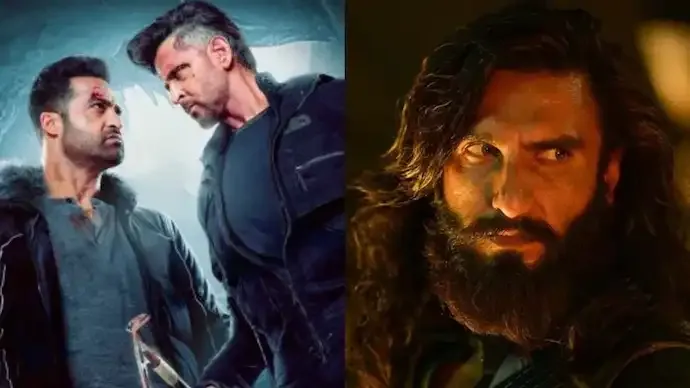
This narrative approach mirrors earlier shifts seen in films like Padmaavat, where Ranveer Singh’s Alauddin Khilji overshadowed the virtuous but relatively one-dimensional hero. Khilji’s ambition, volatility and obsession made him more compelling than the embodiment of honour he opposed.
A similar dynamic plays out in The Family Man Season 3, where Rukma, portrayed by Jaideep Ahlawat, drives the story with ideological clarity and emotional conviction. In contrast, the hero reacts within a flawed system, making the antagonist feel narratively dominant even when defeated tactically.
Abrar in Animal takes this further by collapsing the distinction between hero and villain altogether. Played by Bobby Deol, Abrar is brutal and unsettling, yet emotionally grounded. His character reflects the same violent world that shaped the film’s protagonist, suggesting that circumstance, rather than morality alone, defines who becomes the villain.
Modern audiences increasingly gravitate towards flawed, belief-driven characters. A villain who stands for something often feels more authentic than a hero who never questions himself. These antagonists mirror the protagonist’s darker possibilities, turning the conflict into belief versus belief rather than good versus evil.
Rehman Dakait, Rukma and Abrar represent a broader transformation in Indian cinema, where villains are no longer waiting in the shadows for defeat. They command attention, spark debate and linger long after the credits roll — reshaping how stories are told and remembered.



Conversation
Be kind and stay on topic. Comments are moderated; abuse, spam and personal attacks are removed. Report a problem