Shopping cart
Your cart empty!


Your cart empty!
Terms of use dolor sit amet consectetur, adipisicing elit. Recusandae provident ullam aperiam quo ad non corrupti sit vel quam repellat ipsa quod sed, repellendus adipisci, ducimus ea modi odio assumenda.
Lorem ipsum dolor sit amet consectetur adipisicing elit. Sequi, cum esse possimus officiis amet ea voluptatibus libero! Dolorum assumenda esse, deserunt ipsum ad iusto! Praesentium error nobis tenetur at, quis nostrum facere excepturi architecto totam.
Lorem ipsum dolor sit amet consectetur adipisicing elit. Inventore, soluta alias eaque modi ipsum sint iusto fugiat vero velit rerum.
Sequi, cum esse possimus officiis amet ea voluptatibus libero! Dolorum assumenda esse, deserunt ipsum ad iusto! Praesentium error nobis tenetur at, quis nostrum facere excepturi architecto totam.
Lorem ipsum dolor sit amet consectetur adipisicing elit. Inventore, soluta alias eaque modi ipsum sint iusto fugiat vero velit rerum.
Dolor sit amet consectetur adipisicing elit. Sequi, cum esse possimus officiis amet ea voluptatibus libero! Dolorum assumenda esse, deserunt ipsum ad iusto! Praesentium error nobis tenetur at, quis nostrum facere excepturi architecto totam.
Lorem ipsum dolor sit amet consectetur adipisicing elit. Inventore, soluta alias eaque modi ipsum sint iusto fugiat vero velit rerum.
Sit amet consectetur adipisicing elit. Sequi, cum esse possimus officiis amet ea voluptatibus libero! Dolorum assumenda esse, deserunt ipsum ad iusto! Praesentium error nobis tenetur at, quis nostrum facere excepturi architecto totam.
Lorem ipsum dolor sit amet consectetur adipisicing elit. Inventore, soluta alias eaque modi ipsum sint iusto fugiat vero velit rerum.
Do you agree to our terms? Sign up
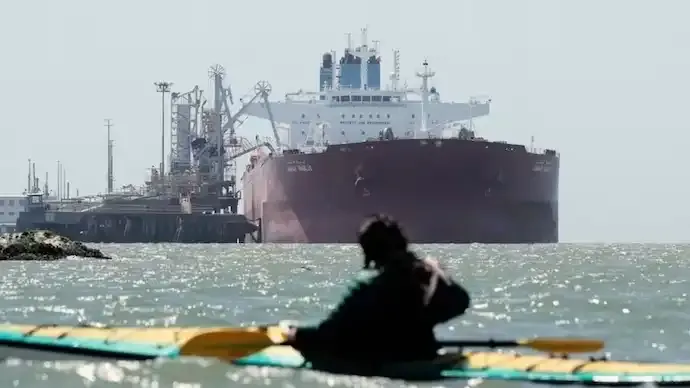
The ongoing geopolitical tensions in West Asia have begun to directly impact global energy flows, with disruptions reported in the strategically important Strait of Hormuz.
For India, this development poses a serious concern, as a significant portion of its energy imports passes through this narrow maritime corridor. The situation has raised alarms about supply continuity, pricing pressures, and long-term energy security.
Nearly 45 percent of India’s energy requirements are met through supplies that transit via the Strait of Hormuz. This heavy dependence makes the country particularly vulnerable to disruptions in the region.
Any blockage or instability in this route can lead to immediate supply challenges, forcing India to explore alternative sourcing strategies to maintain stability in domestic energy markets.
In response to the crisis, India is actively evaluating alternative energy supply routes and sources. However, these options are expected to be more expensive due to longer shipping distances, higher logistics costs, and limited availability.
Switching to alternate suppliers or routes may ensure continuity, but it could significantly increase import bills and put pressure on the economy.
To safeguard its interests, India has stepped up its maritime security efforts. The Indian Navy has increased its presence in critical regions, including the Arabian Sea and the Gulf of Oman.
Additional warships have been deployed to monitor the situation, ensure the safety of Indian vessels, and maintain secure trade routes amid rising tensions.
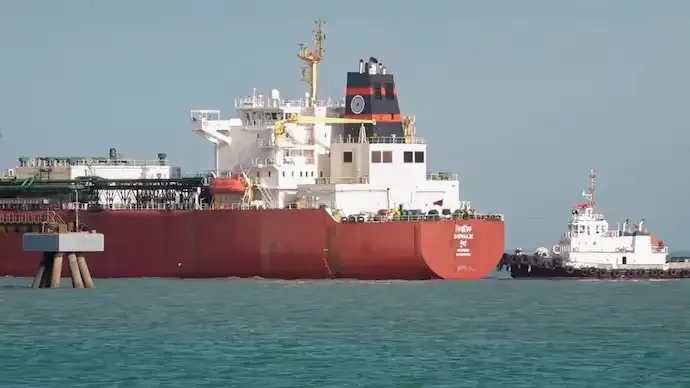
Reports indicate that several Indian vessels are currently affected by the disruption, adding to the urgency of the situation. Ensuring the safety of these ships and their crew remains a top priority for authorities.
The government is closely monitoring developments and coordinating efforts to prevent further escalation.
The potential shift to costlier energy alternatives could have a ripple effect on the Indian economy. Higher import costs may lead to increased fuel prices, affecting transportation, manufacturing, and overall inflation.
This situation highlights how global conflicts can quickly translate into domestic economic challenges, especially for energy-dependent nations.
India is currently managing the crisis on two fronts—ensuring the safety of its maritime assets while maintaining a steady flow of energy supplies. This dual approach reflects the complexity of the situation and the need for swift, strategic decision-making.
Authorities are also exploring long-term strategies to reduce dependency on vulnerable routes and enhance energy resilience.
The duration of the disruption remains uncertain, adding to concerns for policymakers and industry stakeholders. Prolonged instability could further strain supply chains and increase costs.
For now, India continues to adapt to the evolving situation, focusing on securing its energy needs while navigating the challenges posed by the crisis.
63
Published: Mar 21, 2026

All India Story is your trusted source for comprehensive and up-to-the-minute news coverage across India. Bringing you the latest on politics, business, technology, entertainment, sports, and more, we are dedicated to keeping you informed with accurate, engaging, and insightful stories from every corner of the nation.