

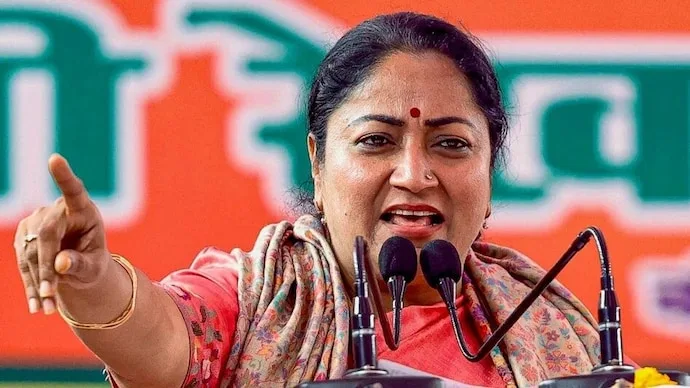

Delhi Chief Minister Rekha Gupta on Wednesday, October 14, accused the youth-led Cockroach Janta Party (CJP) of acting as the “B-Team” of the Aam Aadmi Party (AAP). She challenged the group to protest in Punjab over the killing of anti-drug activist Parvinder Singh, popularly known as Jhota, in Mansa district.
Addressing a press conference, Gupta criticised the organisation for protesting in Delhi over alleged irregularities in the Special Intensive Revision (SIR) of electoral rolls while, she claimed, avoiding issues in states governed by opposition parties.
“Why do they act like the B-Team of AAP and work only on agendas suited to the party?” Gupta asked, challenging the group to demonstrate in Punjab following Singh’s killing on October 13.

Rekha Gupta Questions CJP’s Protest Priorities
Singh was known for speaking out against drug abuse and the alleged illegal sale of addictive substances at chemist shops. He was shot dead in a busy market in Mansa, triggering protests and a political dispute over law and order in Punjab.
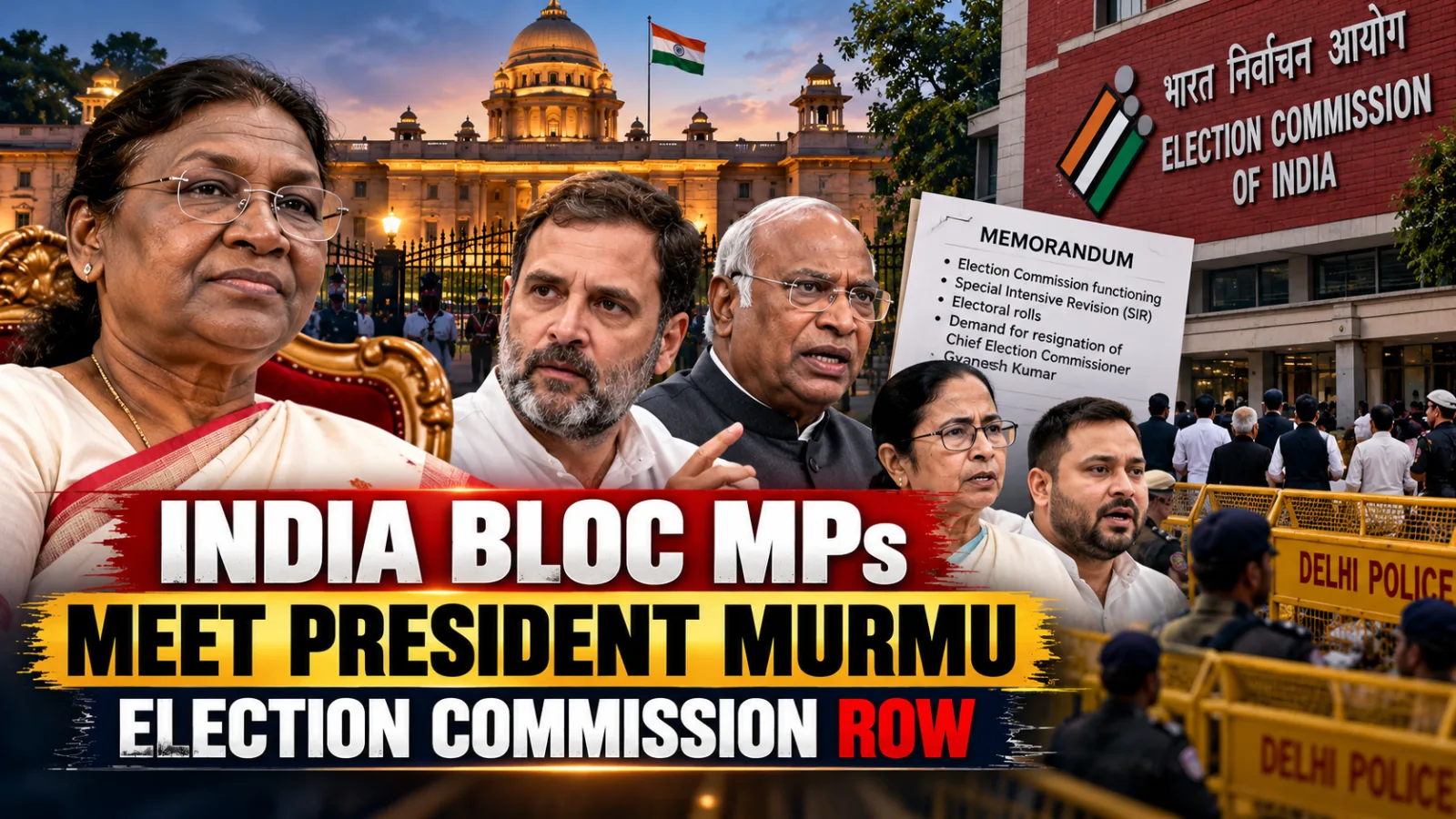
Gupta argued that the CJP should address the incident in Punjab rather than focus its demonstrations on Delhi. Her remarks came after members of the organisation protested at Jantar Mantar, demanding the resignation of Chief Election Commissioner Gyanesh Kumar over alleged irregularities in the electoral roll revision process.
The chief minister also criticised the group for insisting on holding demonstrations at Jantar Mantar, which, according to the report, had recently been removed from the list of designated protest sites. Some protesters reportedly crossed barricades and entered the area on Tuesday.
Congress and AAP Face Criticism Over SIR
Gupta also targeted the Congress and AAP for opposing the SIR exercise. She questioned why, according to her, similar concerns had not been raised in states where the parties had won elections.
Defending the revision process, she said it was not being conducted for the first time and referred to an earlier exercise carried out by the Election Commission in 2002.
She further alleged that opposition parties and other organisations were acting against India's interests in coordination with foreign elements. These were political allegations made by Gupta and were not independently established in the report.
Political Row Expands Beyond Electoral Rolls
Gupta claimed that protests had caused economic losses worth thousands of crores of rupees and inconvenienced traders and residents in Delhi. She also argued that opposition parties were reacting to electoral defeats and the Modi government's development record.
Her remarks link two ongoing political disputes: opposition protests over electoral roll revisions and criticism of the AAP government's handling of Punjab's drug problem.
The competing claims place electoral integrity, protest restrictions and public safety at the centre of the political debate.
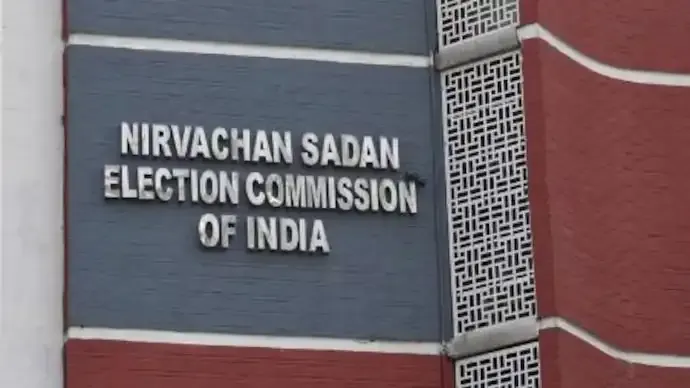
For official information on electoral procedures, visit the Election Commission of India.





Conversation
Be kind and stay on topic. Comments are moderated; abuse, spam and personal attacks are removed. Report a problem